
Blooming
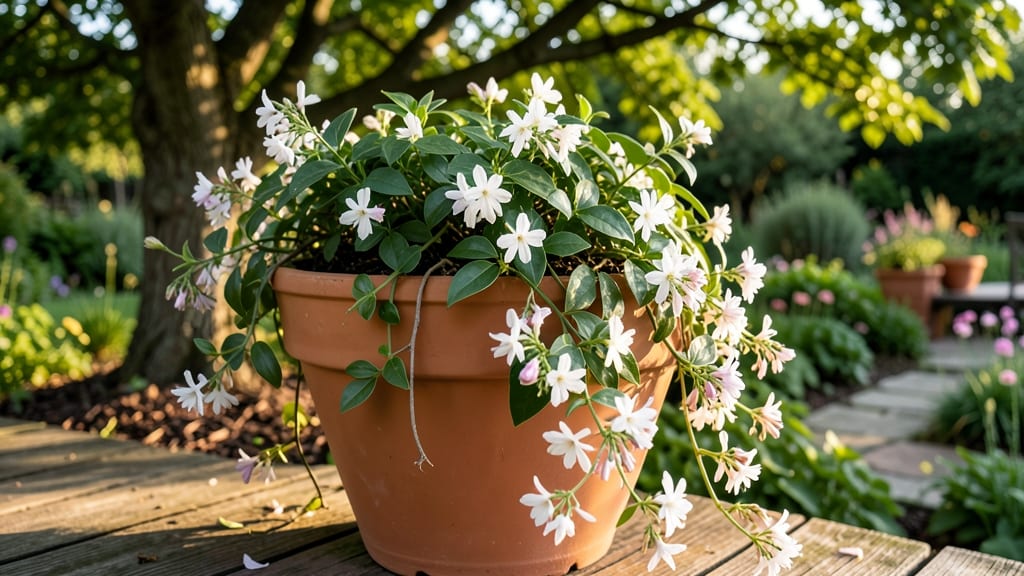
Star jasmine bloom time arrives when nights stay warm and days stretch long—typically late spring to summer, but with the right care, you can coax fragrant flowers year-round. 🌸 I’ve grown mine in three different zones, and the secret isn’t just patience—it’s understanding how sunlight, pruning, and even winter prep affect those delicate white blossoms.
The first flush of flowers arrives when temperatures hit 60°F at night, signaling the plant it’s safe to bloom. In warmer climates (zones 8-10), you’ll get two bloom cycles—spring and fall—while cooler zones (5-7) may need winter protection to repeat the show.
Prune right after blooming to encourage bushier growth, and avoid heavy cuts in fall if you want next year’s flowers to arrive early.
What you’ll love most is that scent—like a sweet, intoxicating night breeze—lingering even after the flowers fade. With proper care, star jasmine rewards you with months of fragrance, whether climbing a trellis or spilling over a balcony railing.
The key is balancing pruning, watering, and seasonal adjustments to keep it happy.
Works in containers or as a ground cover, adapting to partial shade in hotter zones or full sun in cooler ones. Here’s how to time everything for maximum blooms—no matter where you live.
📚 In This Guide
- What you need
- Instructions
- Tips and common mistakes
- Wrapping up and next steps
What you need
- ● Star Jasmine Plant (Trachelospermum jasminoides): 1-3 mature plants (for optimal fragrance and coverage)
- ● Choose a variety suited to your USDA Hardiness Zone (Zones 7-11 for best results)
- ● Well-draining soil mix: 50% garden soil
- ● 30% compost or aged manure
- ● 20% perlite or sand (for aeration)
- ● Pot or garden bed: For containers: 12-15" diameter pot with drainage holes (1 plant per pot)
- ● For in-ground planting: Full sun to partial shade location (6+ hours of sunlight)
- ● Balanced fertilizer (10-10-10 or 20-20-20): 1 tbsp per plant (monthly during growing season, spring-fall)
- ● Mulch: 2-3 inches of organic mulch (e.g., shredded bark or pine needles)
- ● Garden tools: Trowel or hand shovel
- ● Pruning shears (sterilized)
- ○ Gloves (optional, but recommended for thorns)
- ● Watering can or hose with gentle spray nozzle
- ○ pH testing kit (optional but helpful—ideal soil pH: 6.0-7.0)
- ● Support structure (for climbing varieties): Trellis, arbor, or fence (if training as a vine)
- ● 🌡️ Climate Adjustments: In colder zones (microclimate (e.g., near a south-facing wall) or grow in containers for winter protection.
- ● ✨ Fragrance Boost: Deadhead spent blooms to encourage continuous flowering.
- ● 🔄 Pruning: Trim back leggy growth in early spring to promote bushier, fragrant growth.
How to time star jasmine blooms for maximum fragrance
Mastering this vine’s delicate schedule means understanding its light, pruning, and seasonal triggers.
🌱 Step 1: Plant in Full Sun for Spring Priming
Star jasmine thrives in 6-8 hours of direct sunlight daily, but timing matters most in early spring. Plant your vines in late winter or early spring—this gives roots 8-10 weeks to establish before the first flush of buds forms. The key is choosing a location where morning sun warms the foliage gradually; afternoon shade prevents leaf scorch that can stress the plant before blooming.
Here’s the thing—star jasmine needs consistent warmth to set buds. If your climate has late frosts, wait until after the last frost date (usually 2-3 weeks before average last frost) to plant. You’ll see new growth emerge within 3-4 weeks of planting, signaling the plant is ready for bloom triggers. If growth stalls, it’s often due to insufficient light or cold soil—amend with compost to boost root activity.
☀️ Step 2: Trigger Blooms with Strategic Pruning
The secret to year-round fragrance lies in pruning at the right times. After the first flush of blooms fades (usually 6-8 weeks post-bloom), cut back one-third of the oldest stems8-12 weeks. Prune again in early fall to shape the vine and remove any leggy or overcrowded branches—these rarely produce strong blooms.
Don’t skip the late-winter pruning in February or early March, even if no blooms are visible. This is when the plant sets next year’s flower buds. Use clean, sharp shears to avoid tearing stems, and always cut at a 45-degree angle just above a leaf node. You’ll notice fresh, vibrant shoots emerging within 2-3 weeks—this is your cue that the plant is preparing for its next bloom cycle.
💧 Step 3: Water Deeply Before Bud Formation
Star jasmine’s fragrance depends on healthy root systems, so watering strategy shifts as buds form. During the 4-6 weeks before blooming, water deeply once a week—enough to moisten the soil 12-18 inches deep. Check by inserting a finger; the soil should feel damp but not soggy. Overwatering now causes root rot, which stunts blooms entirely.
I know it seems counterintuitive, but reduce watering slightly during active bloom. The plant naturally conserves moisture to sustain flowers, and overwatering dilutes nutrient uptake. You’ll see buds open more fully and last longer when the vine isn’t stressed by excess moisture. Mulch with 2-3 inches of organic mulch (like shredded bark) to retain soil moisture and regulate temperature—this keeps roots consistently happy without extra watering.
⏰ Step 4: Extend Blooms with Seasonal Adjustments
For year-round fragrance, star jasmine needs a little help in cooler climates. In Zone 7 and below, protect vines from early fall frosts with a lightweight frost cloth once temperatures dip below 40°F. This preserves foliage and encourages a second bloom cycle in late summer or early fall. In Zones 8-10, where winters are mild, prune lightly in January to stimulate early spring blooms.
Watch for new growth as your signal—when you see 1-2 inches of fresh green shoots, the plant is ready for another bloom cycle. In warmer climates, you might even see sporadic blooms year-round if the vine is healthy. The key is consistency: prune, water deeply before buds form, and protect from extreme temperatures. With these adjustments, your star jasmine will reward you with fragrant blooms 3-4 times a year instead of just once.
Tips & tricks for perfect star jasmine bloom timing
These practical insights will help you coax year-round fragrance from your star jasmine—no matter your climate zone.
Lighting Strategy: The 6-8 hours of direct sunlight in Step 1 should prioritize morning sun exposure. If your location gets intense afternoon heat, consider partial afternoon shade to prevent leaf scorch while maintaining that critical morning warmth. I've seen vines in hot climates struggle when exposed to full afternoon sun—watch for leaves curling or browning at the edges as your warning sign.
Pruning Precision: When you're cutting back one-third of the oldest stems in Step 2, focus on the thickest, most woody stems first. These are the ones that produce fewer blooms and take longer to recover. The 45-degree angle cut isn't just for aesthetics—it helps water run off the cut surface, preventing rot. I've found that making these cuts just above a leaf node with outward-facing buds gives you the best regrowth pattern for future blooms.
Watering Wisdom: That 12-18 inch deep watering in Step 3 requires patience—don't just give it a quick drink. Use a long-handled trowel to check moisture levels at depth. The soil should feel like a wrung-out sponge at that depth. I've ruined several vines by watering too frequently at the surface, which creates shallow roots that can't support heavy blooms. The slight reduction in watering during active bloom might seem counterintuitive, but it actually helps the plant focus its energy on opening those fragrant flowers rather than producing new leaves.
Climate Zone Adjustments: For Zone 7 growers, that 40°F frost protection threshold is your absolute cutoff. I've learned this the hard way—leaving the frost cloth off until 38°F can still damage emerging buds. In Zones 8-10, that January pruning might seem early, but it's crucial for stimulating those first spring blooms. Watch for those 1-2 inch fresh green shoots as your confirmation that the plant is responding to your timing adjustments.
Pro Tips for Star Jasmine Bloom Time
- These practical insights will help you coax year-round fragrance from your star jasmine—no matter your climate zone.
- Lighting Strategy: The 6-8 hours of direct sunlight in Step 1 should prioritize morning sun exposure.
- Pruning Precision: When you're cutting back one-third of the oldest stems in Step 2, focus on the thickest, most woody stems first.
Frequently asked questions
Got questions about timing, care, or maximizing those intoxicating blooms? Here are the answers to the most common queries about star jasmine bloom time—so you can keep your vines perfuming your space year-round!
When does star jasmine typically bloom?
Star jasmine (Trachelospermum jasminoides) usually blooms in late spring to early summer (May–June), but with proper care, it can rebloom sporadically through summer and even into fall. In warmer climates (Zones 8–11), it may bloom year-round or nearly so!
Will star jasmine bloom in cold climates (Zones 5–7)?
Yes! While it may stop flowering briefly in winter, star jasmine is hardy to Zone 7 and can rebound in spring. Use mulch and winter protection (like burlap wraps) to encourage earlier blooms. Prune lightly in late winter to stimulate new growth.
Why isn’t my star jasmine blooming—what’s wrong?
Common culprits include over-fertilizing with high nitrogen (promotes leaves, not flowers), poor sunlight (6+ hours of sun is ideal), or root-bound pots. Try balanced fertilizer (10-10-10) in spring, prune leggy growth, and ensure well-draining soil.
Can I force star jasmine to bloom earlier or later?
Yes! For earlier blooms, prune in late winter and provide warmth (like a sunny patio). For fall/winter blooms, keep it well-watered and lightly fertilized (stop heavy feeding by August). In cold zones, a greenhouse or container move can extend the season.
What’s a good alternative if star jasmine doesn’t thrive in my area?
Try these fragrant, low-maintenance climbers:
- Clematis (spring/summer blooms, many varieties)
- Jasmine (Jasminum officinale) (sweet scent, needs warmth)
- Honeysuckle (Lonicera) (hummingbird-friendly, repeat bloomer)
- Passionflower (Passiflora) (tropical vibes, cold-sensitive)
Wrapping up and next steps
Star jasmine’s year-round fragrance is a dream for gardeners—whether you’re in a warm coastal zone or a chilly mountain region, this plant can thrive with the right care. 🌿 From pruning techniques to climate-specific tips, you now have the tools to coax those star-shaped blooms and intoxicating scents into your space.
The secret? Patience and adaptability—just like your green thumb deserves!
Ready to transform your garden? Start small: plant a single vine, experiment with training methods, and watch as your space fills with natural, sweet perfume. Your fragrant oasis awaits—go ahead and bloom! 🌸