
Blooming
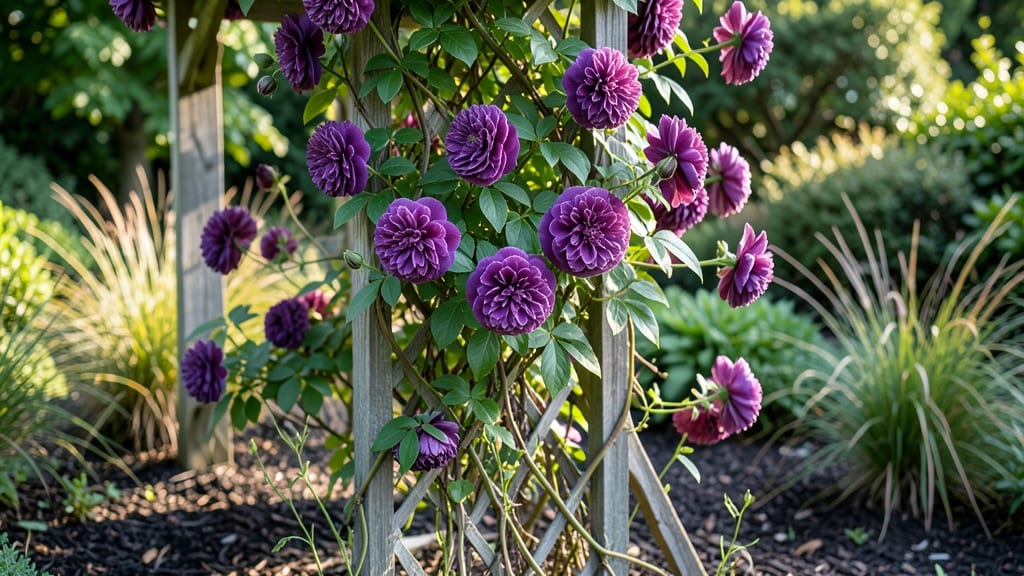
Double bloom clematis delivers two full waves of flowers each season—once in spring and again in late summer—if you prune them right. ✨ I’ve watched my own vines go from sparse stems to bursting with blooms by mastering just three key techniques: the right planting spot, a smart pruning schedule, and consistent moisture.
The secret starts with 6 hours of sunlight daily and well-draining soil mixed with compost. Clematis roots need to stay cool while the vines bask in light—think of it like a sunbathing vine with a root blanket.
Overwatering is the #1 killer, so aim for deep watering twice a week during dry spells, letting the top inch of soil dry between sessions. What sets double bloomers apart is their second flush of flowers in August—if you prune correctly.
Cut back last year’s growth by one-third in early spring, then do a light trim after the first blooms fade. This forces the plant to put energy into new stems that’ll flower again later.
With the right support (a sturdy trellis or arbor), these vines climb 10–15 feet while producing larger, showier blooms than single-flowering types. The payoff? A garden that stays in bloom from May through September with minimal effort.
📚 In This Guide
- What you need
- Instructions
- Tips and common mistakes
- Wrapping up and next steps
What you need
- ● Double Bloom Clematis Plant: Choose a healthy, disease-free Clematis variety known for double blooms (e.g., 'Nelly Moser,' 'Jackmanii,' or 'Multi Blue'). Ensure it’s labeled as group 2 or 3 for pruning ease.
- ● Well-Draining Soil Mix: 3-5 gallons of a blend combining: 60% garden soil
- ● 30% compost or aged manure
- ● 10% perlite or coarse sand
- ● Support Structure: A 5-6 ft tall trellis, arbor, or obelisk (metal or sturdy wood) to guide vines upward.
- ● Organic Mulch: 2-3 inches of wood chips or straw to retain moisture and suppress weeds.
- ● Balanced Fertilizer: 10-10-10 or 5-10-10 NPK ratio (follow package instructions for dosage).
- ● Pruning Shears: Sharp, bypass pruners (sterilized with rubbing alcohol).
- ● Garden Gloves: Heavy-duty, cut-resistant gloves for handling thorns.
- ● Watering Can or Hose: With a gentle spray nozzle to avoid damaging tender shoots.
- ● Epsom Salt: 1 tbsp dissolved in water monthly for magnesium boost (great for vibrant blooms!).
- ● Copper Fungicide: For prevention of clematis wilt (apply early in the season).
- ● Plant Ties: Soft velcro or fabric ties to secure vines to supports without damaging stems.
- ● Garden Journal: To track pruning dates, bloom cycles, and fertilizer schedules.
- ● Shade Cloth: Lightweight 30-50% shade fabric for young plants in hot climates.
How to master pruning for double bloom clematis
Double blooming clematis thrives on precise pruning—here’s how to coax two flushes of flowers each year.
✂️ Step 1: Identify Your Clematis Type and Prune in Early Spring
First, confirm if your clematis is a Group 1 (early spring bloomer) or Group 3 (late summer/fall bloomer)—double bloomers are typically Group 2 hybrids. For these, prune after the first flush of flowers (usually late May to early June in most climates) to preserve next year’s blooms. Use clean, sharp pruners to make 45-degree cuts just above a healthy outward-facing bud.
Here’s the thing—if you prune too early, you risk cutting off next year’s flowers. Wait until after the first bloom cycle when you notice buds forming for the second flush. This ensures you’re not sacrificing potential blooms. I like to mark the pruning spot with a flag so I don’t accidentally cut too much.
🌱 Step 2: Thin Out Crowded Stems for Better Airflow
After the first flush, remove any weak, crossing, or dead stems to improve airflow and reduce disease risk. Double bloomers can get leggy, so I aim to keep 3-5 of the strongest, most vigorous stems per plant. Thin stems should be cut at the base with a single clean slice—no jagged cuts that invite rot.
You’ll notice new side shoots emerging from the base after pruning. These are your future blooms for the second flush. If you see any stems growing straight up without branching, trim them back by one-third to encourage bushier growth. This step is where the magic happens—more stems mean more flowers.
☀️ Step 3: Provide Support and Fertilize for Two Bloom Cycles
Double bloomers need strong support—install a 5-6 foot tall trellis or sturdy arbor before growth begins. Tie stems loosely with soft plant ties (never wire) to avoid damaging the bark. Fertilize after pruning with a balanced 10-10-10 or 20-20-20 formula to support both bloom cycles. Apply half-strength fertilizer every 4-6 weeks during the growing season.
Watch for yellowing leaves—this often signals over-fertilization. If you see this, flush the soil with water and reduce feeding. Double bloomers are heavy feeders, but too much nitrogen will give you lush foliage and few flowers. I swear by a slow-release granular fertilizer in early spring to avoid nutrient spikes.
⏰ Step 4: Prepare for Winter Dormancy and Next Year’s Blooms
In late fall, cut back only the dead or damaged stems—leave the rest intact. Clematis stores energy in its roots for next year’s growth. Mulch the base with 3-4 inches of organic mulch (like shredded bark) to protect roots from freezing. In Zone 5 and colder, wrap the crown with burlap or frost cloth if winters are harsh.
This is where many gardeners go wrong—they prune too aggressively in fall, thinking it’s like spring pruning. But clematis needs those stems to photosynthesize and build energy for the next season. I always double-check by peeling back mulch in early spring to confirm no stems were accidentally cut.
Tips & tricks for pruning double bloom clematis
These precision-focused strategies will help you maximize your clematis's potential for two stunning flower cycles each year.
Timing is Everything: The late May to early June window for pruning after the first bloom cycle is non-negotiable for Group 2 hybrids. I've learned this the hard way—pruning too early can remove next year's flower buds before they've formed. Watch for those telltale second-flush buds forming on the stems; that's your cue to pick up the pruners. For northern climates, adjust by a week or two later, as cooler temperatures slow growth.
Visual Cues for Pruning: When making those 45-degree cuts in Step 1, look for outward-facing buds that are plump and green, not shriveled or brown. These buds are your future blooms, and cutting just above them ensures vigorous new growth. I always count three buds from the cut point—this guarantees you're preserving enough growth for both foliage and flowers. A magnifying glass helps spot hidden buds on thick stems.
Support System Secrets: That 5-6 foot trellis isn't just decorative—it's essential for double bloomers. I've seen plants with beautiful flowers flop over and get damaged when they weren't properly supported. Install your trellis before growth begins in spring, and use soft plant ties that won't girdle the stems as they thicken. For heavy bloomers, consider a double trellis system or add horizontal wires for additional support during peak bloom.
Fertilizer Mastery: The half-strength application every 4-6 weeks is crucial—double bloomers are heavy feeders but can't tolerate excess nitrogen. I've found that using a slow-release granular fertilizer in early spring gives consistent nutrition without the risk of burning. For the first application after pruning, reduce to quarter-strength to avoid shocking the plant. And that yellowing leaves warning? It's your plant's SOS—flush the soil immediately and cut back to monthly feedings.
Pro Tips for Double Bloom Clematis
- These precision-focused strategies will help you maximize your clematis's potential for two stunning flower cycles each year.
- Timing is Everything: The late May to early June window for pruning after the first bloom cycle is non-negotiable for Group 2 hybrids.
- Visual Cues for Pruning: When making those 45-degree cuts in Step 1, look for outward-facing buds that are plump and green, not shriveled or brown.
Frequently asked questions
Got questions about your double bloom clematis? You’re not alone!
Whether you're a first-time gardener or a seasoned pro, these answers will help you keep your vines thriving and blooming beautifully year after year.
What’s the best way to prune double bloom clematis for maximum flowers?
Double bloom clematis (e.g., Clematis ‘Nelly Moser’ or ‘Jackmanii’) bloom on both old and new wood, so prune carefully! Cut back dead or weak stems by 1/3 in early spring (before new growth), then trim again after the first flush of blooms to encourage a second flush. Avoid heavy pruning—just shape lightly to maintain airflow. Pro tip: Use sharp, clean shears to prevent disease!
When is the ideal time to plant double bloom clematis?
The best times are early spring or early fall when soil temps are cool but not frozen. Planting in spring gives vines time to establish roots before summer heat, while fall planting avoids winter stress. Never plant in summer heat—it stresses roots. Choose a spot with morning sun and afternoon shade for optimal growth.
Why aren’t my double bloom clematis flowers opening? Troubleshooting tips?
Fewer blooms often stem from over-pruning, poor sunlight, or nutrient deficiencies. Check these fixes:
- Sunlight: Ensure 6+ hours of sun daily (more = more blooms!).
- Watering: Keep soil consistently moist (not soggy) during growing season.
- Fertilizer: Use a balanced, phosphorus-rich fertilizer in spring and after first bloom.
- Support: Weak stems from lack of trellis or obelisk can limit blooms.
If buds form but don’t open, it may be too hot or humid—try lightly shading the plant.
Can I grow double bloom clematis in containers? What’s the best setup?
Choose a large container (15+ gallons) with drainage holes and a well-draining potting mix (add perlite or compost). Use a tall trellis or obelisk for support, and water daily in summer (containers dry out fast). Fertilize monthly during growing season. Note: Container-grown clematis may need winter protection in cold climates (move to garage or wrap with burlap).
Are double bloom clematis prone to pests or diseases? How do I prevent them?
Common issues include clematis wilt (fungus), aphids, and spider mites. Prevent them with these steps:
- Airflow: Space plants 3–5 feet apart to reduce humidity.
- Mulch: Use organic mulch to deter fungi and retain moisture.
- Inspect: Check undersides of leaves weekly for pests.
- Neem oil: Spray foliage monthly as a preventative.
If wilt appears, remove infected stems immediately and treat with fungicide.
Wrapping up and next steps
Growing double bloom clematis is a rewarding journey that brings year-round beauty to your garden with the right care—especially mastering pruning techniques! 🌸 These stunning vines thrive when you understand their needs, from soil prep to seasonal maintenance, and now you’ve got the tools to make them flourish.
Whether you’re a beginner or a seasoned gardener, your next step is simple: grab those pruners and get ready to transform your space into a vibrant, ever-blooming paradise!