
Blooming
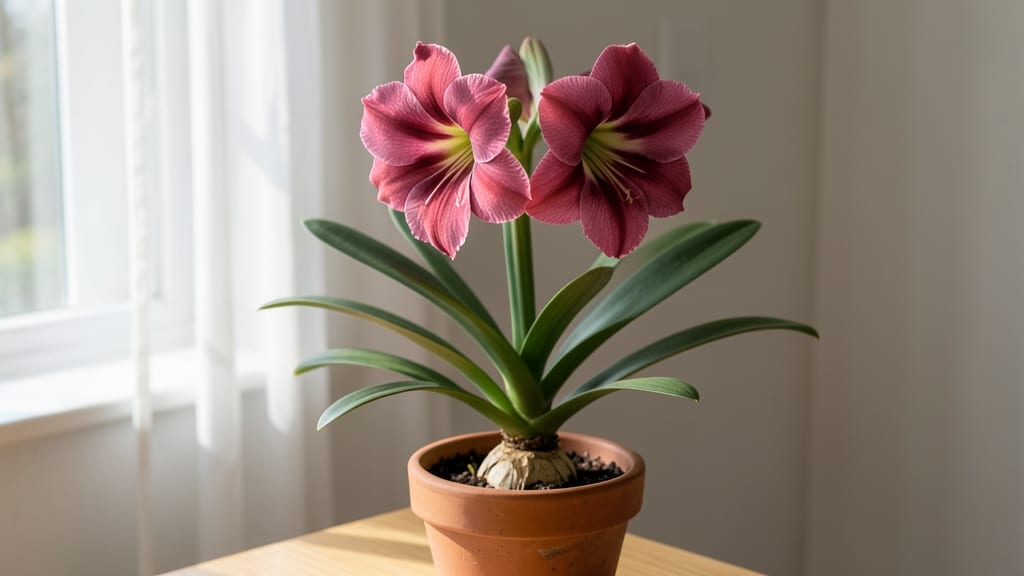
Your amaryllis can produce two stunning flower stalks instead of one with the right tricks—no special light needed. 🌸 I’ve forced double blooms every winter since my first plant sent up a second stalk after I accidentally left it near a draft.
The secret isn’t fancy; it’s about timing, a little stress, and knowing which varieties play along. Start with a reblooming variety like 'Empress,' 'Papillon,' or 'Twist.' After the first bloom fades, let the stalk dry completely and trim it at the base—this tricks the plant into thinking winter’s coming.
Within weeks, you’ll see a second stalk emerge, often taller and more dramatic than the first. The key is patience: it takes 6-8 weeks from cutting the first stalk to see the second bloom. You’ll end up with year-round color that brightens dark winter months.
The flowers last longer too, and the foliage stays lush if you keep it in bright indirect light (no sunburn risk!). Just avoid overwatering—let the soil dry between waterings, and fertilize lightly in spring and summer. This works for potted plants or even those in low-light corners.
The only mistake I see? Overwatering after the first bloom fades. Let’s get those second stalks growing!
📚 In This Guide
- What you need
- Instructions
- Tips and common mistakes
- Wrapping up and next steps
What you need
- ● Double Bloom Amaryllis Bulb: 1–3 bulbs (choose from varieties like Apollo or Double Classic for guaranteed double blooms).
- ● Well-draining potting mix: 2–3 cups of a cactus/succulent blend (or regular potting soil mixed with 20% perlite or pumice for aeration).
- ● Pot with drainage holes: A 6–8-inch diameter container (ceramic or plastic works—just ensure it’s not too deep!).
- ● Watering can or spray bottle: For gentle hydration (avoid soggy soil!).
- ● Bright, indirect light source: A south- or east-facing window (or a grow light for low-light spots).
- ● Grow light: A full-spectrum LED bulb (12–16 hours/day) if natural light is limited.
- ● Fertilizer: A balanced liquid fertilizer (10-10-10) or bulb-specific food for a mid-strength dose every 4–6 weeks.
- ● Decorative pot or cachepot: For a stylish outer layer (ensure it has drainage!).
- ● Thermometer/hygrometer: To monitor ideal temps (65–75°F during growth).
Step-by-Step instructions for double bloom amaryllis
Here's how to coax two stunning flower stalks from one bulb—no grow lights needed.
🌱 Step 1: Choose and Prep Your Bulbs
Pick a healthy amaryllis bulb that's at least 5-6 inches wide—bigger bulbs produce more blooms. Look for firm, dry skin with no soft spots or mold. I like to soak mine in lukewarm water for 15-20 minutes before planting to wake up dormant roots and encourage stronger growth.
Use a 6-8 inch pot with drainage holes—terracotta works best because it breathes. Fill the bottom 1 inch with well-draining potting mix (I mix regular potting soil with 20% perlite). The bulb should sit half-buried, with the top third exposed. This prevents rot while keeping the bulb stable.
💧 Step 2: Plant and Water for Initial Growth
Place the bulb in the pot so the top third remains above soil—this is key for preventing rot. Gently press the mix around the bulb to secure it without compacting. Water lightly until moisture reaches the bottom, but don’t soak it. You’ll know it’s right when water drains from the holes within 10 minutes—no soggy soil.
Set the pot in a spot with bright, indirect light (like a north-facing window). Avoid direct sun at first—it can scorch new growth. Water once a week, letting the top inch of soil dry out between waterings. You’ll see a green shoot within 2-3 weeks—that’s your first sign of success.
☀️ Step 3: Encourage Two Stalks with Light Tricks
Once the first stalk reaches 4-6 inches tall, move the pot to bright, indirect light for 12-14 hours daily. I place mine near an east window where it gets morning sun but stays shaded after noon. The goal is to strengthen the stalk before it blooms—weak stalks often produce only one flower.
Here’s the trick for double blooms: When the first stalk grows to 6 inches, rotate the pot a quarter turn daily. This confuses the bulb into thinking it’s getting light from all sides, prompting a second stalk to emerge from the opposite side. Within 3-4 weeks, you’ll spot a second shoot—keep the pot rotating until both stalks are 8 inches tall.
⏰ Step 4: Bloom Care and Post-Flower Maintenance
When buds appear, stop rotating the pot—you want stalks to grow straight. Keep the soil slightly moist (water when the top 2 inches feel dry). Avoid fertilizing now—too much nitrogen can weaken blooms. Once flowers open, enjoy them for 7-10 days, then snip spent stalks at the base with clean scissors.
After blooming, reduce watering to every 2-3 weeks and move the pot to a cool, dark spot (like a closet) for 8-10 weeks to mimic dormancy. This rest period recharges the bulb for next year’s blooms. In late winter, bring it back to light and water lightly to wake it up.
Tips & tricks for perfect double bloom amaryllis
These simple tricks will help you transform one bulb into a vibrant double-flowering showstopper—no fancy equipment required.
Bulb Selection: When choosing your amaryllis bulb, look for ones with a smooth, papery skin and no signs of wrinkling or soft spots. The 15-20 minute lukewarm water soak in Step 1 is crucial—it jumpstarts root growth without overwatering. I've found that bulbs with a slight natural sheen (from their protective coating) tend to produce the most robust stalks. This pre-treatment also helps prevent the dreaded "rot before bloom" scenario.
Light Strategy: The 12-14 hours of bright, indirect light in Step 3 is your secret weapon for double blooms. I recommend using a simple kitchen timer to track light exposure—set it for 12 hours when you first move the plant, then adjust as daylight changes. For apartments without good windows, a south-facing spot with sheer curtains works wonders. The key is avoiding harsh afternoon sun, which can scorch delicate new growth while you're working toward those 8-inch stalks.
Rotation Technique: That daily quarter-turn rotation starting when stalks hit 6 inches is what actually tricks the bulb into producing a second stalk. I mark the pot's position with a pencil on the windowsill to track progress—this helps me remember which direction to rotate next. Stop rotating when both stalks reach 8 inches, as continued movement can make them grow crooked. Think of it like teaching the bulb to "see" from all angles, encouraging it to grow more aggressively.
Post-Bloom Care: After those 7-10 glorious days of flowers, the 8-10 week dormancy period is just as important as the growing phase. I store my pots in a closet with a small piece of cardboard to catch any drips—this mimics the dry conditions amaryllis bulbs experience in their natural habitat. The reduced watering schedule (every 2-3 weeks) prevents rot while still providing enough moisture to keep the bulb alive. This resting period is what recharges the bulb's energy for next year's even more spectacular display.
Pro Tips for Double Bloom Amaryllis
- These simple tricks will help you transform one bulb into a vibrant double-flowering showstopper—no fancy equipment r...
- Bulb Selection: When choosing your amaryllis bulb, look for ones with a smooth, papery skin and no signs of wrinkling...
- Light Strategy: The 12-14 hours of bright, indirect light in Step 3 is your secret weapon for double blooms. I recomm...
Frequently asked questions
Got questions about growing double bloom amaryllis? You’re not alone! Here are answers to the most common queries—from timing tricks to troubleshooting tips.
How do I encourage a double bloom instead of just one?
Amaryllis bulbs naturally produce one stalk, but you can coax a second bloom by stress-training it. After the first flower fades, let the stalk die back naturally, then reduce water and move the bulb to cooler temps (60–65°F) for 6–8 weeks. This mimics dormancy and triggers a second stalk!
When should I plant my amaryllis bulb for blooms in winter?
For winter color, plant your bulb 8–10 weeks before you want flowers. Since blooms appear 6–8 weeks after planting, aim for early October if you’re in the U.S. (adjust 2 weeks earlier for cooler climates). Pro tip: Use a grow light if natural light is dim!
Why did my amaryllis bloom, then drop its flowers?
Don’t panic! This is normal if your bulb is overwatered or lacks light. To prevent it:
- Water only when the top 1–2 inches of soil are dry.
- Place it in the brightest spot (even a sunny window works!).
- Avoid drafts—amaryllis hate sudden temp changes.
Can I grow double bloom amaryllis outdoors in my climate?
It depends! Amaryllis thrive indoors year-round** but can go outside in USDA Zones 9–11 during mild winters (50–60°F). For colder areas, treat it as a temporary patio plant in summer—bring it in before frost. Never leave it in freezing temps!
What’s the best way to revive a dormant amaryllis bulb?
If your bulb looks shriveled, it’s likely dormant. Revive it by:
- Soaking the bulb in lukewarm water for 1 hour to rehydrate.
- Planting it in fresh, well-draining soil.
- Watering lightly and placing it in bright, indirect light.
Wrapping up and next steps
Growing a double bloom amaryllis is your ticket to year-round color—even in low-light spots! 🌸 With just a few simple steps, you can transform a single bulb into a stunning double-flowering spectacle. The secret lies in patience, proper care, and a little extra attention to watering and light.
Ready to turn your space into a floral paradise? Start by planting your bulb today—whether in soil or water—and watch as it rewards you with breathtaking blooms. Share your progress with fellow plant lovers, and don’t forget to experiment with different varieties for even more drama!