
Blooming
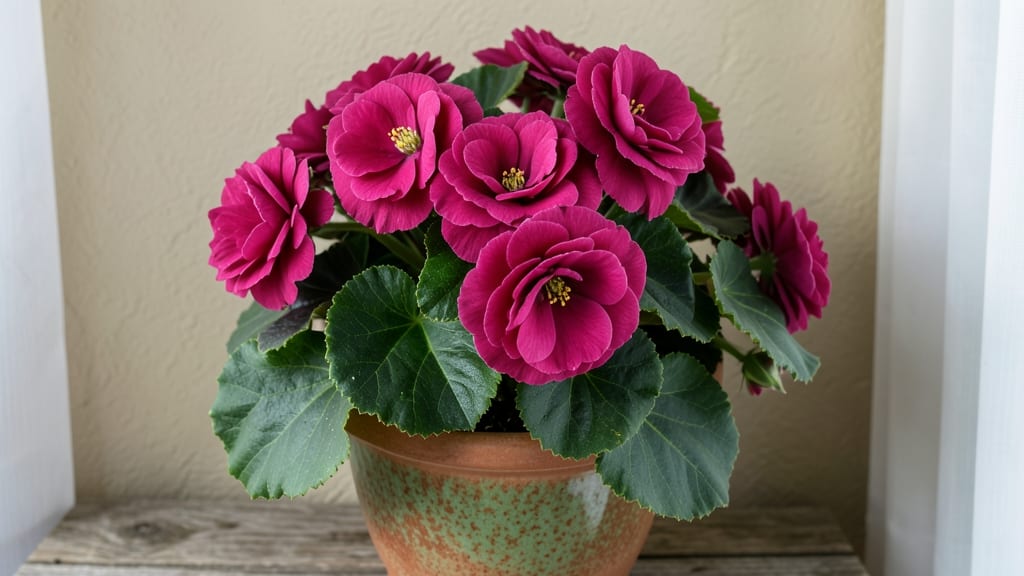
Double bloom begonias turn your space into a nonstop floral show—even in shady corners. 🌸 These aren’t your grandma’s begonias: their petals layer like delicate lace, and they keep blooming from spring to frost (and beyond indoors).
The secret? They thrive where other plants give up, making them the perfect plant for forgetful gardeners or low-light spots.
Start with well-draining potting mix—regular garden soil will drown their roots—and keep them consistently moist (but not soggy). A north-facing window or dappled shade garden spot works best, and they’ll reward you with blooms for months.
Unlike wax begonias, these double-layered varieties need slightly more humidity, so a pebble tray or misting helps keep those petals happy.
Pruning is where the magic happens: pinch back leggy stems in early spring to encourage bushier growth, and deadhead spent blooms to trigger more flowers. You’ll end up with a plant that looks like it costs $50 at the nursery—but costs less than $10 at the garden center.
The key? Don’t overwater, and give them a little love when they start looking tired.
These begonias play well with others too—pair them with ferns, impatiens, or calatheas for a lush, shade-loving combo. They’re perfect for containers, hanging baskets, or even as houseplants that never quit. Once you try them, you’ll wonder how you ever grew anything else in low light!
📚 In This Guide
- What you need
- Instructions
- Tips and common mistakes
- Wrapping up and next steps
What you need
- ● Double Bloom Begonia Plant: 1–3 plants (choose from varieties like Begonia x tuberhybrida or Begonia semperflorens-cultorum for double blooms).
- ● Well-Draining Potting Mix: 2–3 gallons (look for a blend labeled for tender perennials or begonias, with perlite/peat moss for aeration).
- ● Containers: 1–2 6–8-inch pots (terracotta or plastic with drainage holes).
- ○ Optional: A hanging basket (for trailing varieties like Begonia boliviensis).
- ● Drainage Tray or Saucer: 1 (to catch excess water).
- ● Watering Can or Spray Bottle: 1 (with a rose attachment for gentle watering).
- ● Balanced Fertilizer: 1 bottle (e.g., 20-20-20 or a water-soluble bloom booster, diluted to half-strength).
- ● Pruning Shears: 1 pair (sterilized with rubbing alcohol).
- ● Grow Lights (LED or Fluorescent): 1–2 bulbs (if indoor lighting is low, opt for full-spectrum 12–14 hours/day).
- ● Humidity Dome or Peat Moss: 1 (to maintain 50–70% humidity, especially in dry climates).
- ● Mulch (Orchid Bark or Coconut Coir): 1–2 cups (for moisture retention and aesthetics).
- ● Plant Stakes or Spikes: 1–2 (for support if stems grow leggy).
- ● pH Test Kit: 1 (ideal soil pH: 5.5–6.5).
- ● Insecticidal Soap: 1 bottle (for aphids or spider mites, common pests).
Step-by-Step instructions for growing double bloom begonias
Here's how I keep these stunning plants flowering nonstop with just a few simple tweaks.
🌱 Step 1: Select and Prepare the Right Containers
Double bloom begonias thrive in 6-inch pots with drainage holes—these plants hate soggy roots. I use terra cotta containers because they breathe and help prevent root rot. Fill each pot with 2-3 inches of high-quality potting mix (never garden soil—it compacts too much). Press the mix down gently so it's firm but still loose enough for roots to spread.
Add a handful of perlite or orchid bark to improve drainage, especially if your home has cooler temperatures. The goal is soil that holds moisture but drains freely—begonias wilt quickly if their roots sit in water. Tap the pot lightly to settle the mix before planting.
🌿 Step 2: Plant and Position for Optimal Growth
Gently remove your begonia from its nursery pot and loosen the roots if they're circling. Place the plant in the center of your prepared pot so the top of the root ball sits just below the rim. Fill around the roots with more potting mix, pressing lightly to eliminate air pockets but avoiding compaction.
Position your begonias in bright, indirect light—think east or north-facing windows, or under a grow light if natural light is limited. These plants tolerate lower light than most, but too little causes leggy growth and sparse blooms. You'll know the light is perfect when leaves stay deep green without sunburn spots.
💧 Step 3: Water and Fertilize for Continuous Blooms
Water when the top inch of soil feels dry—stick your finger in to check before watering. Begonias need consistent moisture but never soggy soil. I water from the bottom by placing pots in a tray of water for 10 minutes, then letting them drain completely. This method prevents fungal issues that plague overhead watering.
Feed with a balanced liquid fertilizer (10-10-10) every 4-6 weeks during active growth. Reduce to monthly in winter when growth slows. The key to double blooms is consistent feeding—don't skip this step! You'll notice new buds forming within 2 weeks of fertilizing.
✂️ Step 4: Prune and Deadhead for Year-Round Color
Pinch back leggy stems to encourage bushier growth and more blooms. Use clean scissors to cut just above a leaf node where new growth will emerge. I do this every 6-8 weeks or when stems exceed 6 inches—this keeps plants compact and flowering heavily.
Deadhead spent blooms by snipping the stem just below the flower head. This redirects the plant's energy into producing new blooms instead of seed pods. With regular deadheading, your begonia will keep flowering nonstop from spring through fall, and even produce some winter blooms with proper care.
☀️ Step 5: Adjust Care for Seasonal Changes
In summer, increase humidity by placing pots on a tray of pebbles with water, or mist leaves lightly in the morning. These tropical plants appreciate the extra moisture when temperatures rise above 75°F. Reduce watering slightly in winter when growth slows, but never let soil dry completely.
Rotate pots weekly so all sides get even light exposure. You'll see this in the plant's growth—uneven light causes lopsided development. With these simple seasonal adjustments, your double bloom begonia will reward you with vibrant flowers year after year with minimal effort.
Tips & tricks for stunning double bloom begonias
These little tweaks will transform your begonias into a nonstop flowering powerhouse—no green thumb required!
Soil Mix Secrets: The 2-3 inches of potting mix in Step 1 should feel like a damp sponge—not muddy, not bone-dry. I like to mix in a handful of coconut coir with the perlite for extra moisture retention, especially in dry climates. This combo keeps roots happy while preventing that dreaded soggy-root syndrome.
Light Positioning: In Step 2, if your east-facing window gets intense morning sun, rotate your begonia 90 degrees after a few hours to prevent leaf scorch. I've seen begonia leaves crisp up in just 2 hours of direct sun—better to play it safe with that bright indirect light. Watch for leaves that feel warm to the touch as a warning sign.
Fertilizer Timing: The 4-6 week feeding schedule in Step 3 works wonders, but here's the pro move: split that dose into two smaller applications—half now, half two weeks later. This mimics natural rain cycles and prevents fertilizer burn while keeping those blooms coming. You'll notice buds forming faster when you do this!
Pruning Precision: When pinching back in Step 4, look for stems with at least 3-4 leaves before cutting. This ensures the plant has enough energy to regrow. I use clean, sharp scissors dipped in rubbing alcohol between cuts to prevent spreading any potential diseases—your begonias will thank you with bushier growth and more blooms.
Pro Tips for Double Bloom Begonia
- These little tweaks will transform your begonias into a nonstop flowering powerhouse—no green thumb required!
- Soil Mix Secrets: The 2-3 inches of potting mix in Step 1 should feel like a damp sponge—not muddy, not bone-dry.
- Light Positioning: In Step 2, if your east-facing window gets intense morning sun, rotate your begonia 90 degrees after a few hours to prevent leaf scorch.
Frequently asked questions
Got questions about keeping your double bloom begonias thriving? You’re not alone! Here are answers to the most common queries—from care tips to troubleshooting—to help you enjoy their stunning double blooms all year.
How much light do double bloom begonias really need?
These beauties thrive in bright, indirect light—think east or north-facing windows. Too much direct sun (especially afternoon rays) can scorch their delicate leaves. If your space is dim, a grow light (12–14 hours/day) works wonders! Pro tip: Rotate the pot weekly for even growth.
Why isn’t my double bloom begonia flowering?
Double bloom begonias need a few key triggers: cool nights (60–65°F), consistent moisture, and indirect light. If blooms are sparse, check for overwatering (root rot) or nutrient deficiencies (use a balanced fertilizer like 10-10-10 every 4–6 weeks). Bonus: A slight temperature drop in fall can spark a second bloom!
How often should I water double bloom begonias?
Keep the soil evenly moist but not soggy—stick your finger 1 inch deep; if it’s dry, water thoroughly. These tropical plants hate drought stress but dread waterlogged roots. Use a pot with drainage holes and a cache pot (tray) to maintain humidity. Winter tip: Reduce watering slightly when growth slows.
What pests are common, and how do I treat them?
Watch for spider mites, aphids, or mealybugs—they love the soft new growth! Start with a neem oil spray (mix 1 tsp neem oil + 1 tsp mild soap in 1 quart water) or rinse leaves with water. For severe infestations, isolate the plant and repeat treatments every 3–5 days. Prevention: Wipe leaves with a damp cloth weekly!
Can I grow double bloom begonias outdoors in winter?
These tender perennials can’t handle frost, but you can extend their season! Move potted plants to a protected porch, greenhouse, or insulated garage (keep temps above 50°F). If you’re in a mild climate (Zone 10+), they may survive outdoors with mulch and shade cloth. Pro move: Prune leggy stems in early spring to encourage bushier blooms!
What’s a good alternative if my space is too dark?
If your home lacks natural light, try these low-light blooming alternatives:
- Peperomia (e.g., Peperomia caperata) – Compact, textured leaves + occasional blooms.
- African Violet – Thrives in shade and blooms year-round with the right care.
- Zebra Plant (Aphelandra) – Bold foliage and occasional spikes of red blooms.
For double bloom vibes, opt for Begonia ‘Dragon Wing’—it tolerates slightly lower light than the classic double bloom varieties.
Wrapping up and next steps
Double Bloom Begonias are a game-changer for plant lovers who crave year-round color without fuss—and yes, you can absolutely grow them! Their low-light tolerance and stunning double blooms make them perfect for nearly any space, from sunlit windowsills to cozy corners.
Whether you’re a seasoned gardener or a beginner, these beauties reward patience with vibrant, long-lasting flowers that brighten up your home effortlessly.
Ready to dive in? Start by picking your favorite variety, gathering your supplies, and giving these tropical charmers the love they deserve. Your next step? Plant one today and watch your space transform—one bloom at a time! 🌸✨