
Blooming
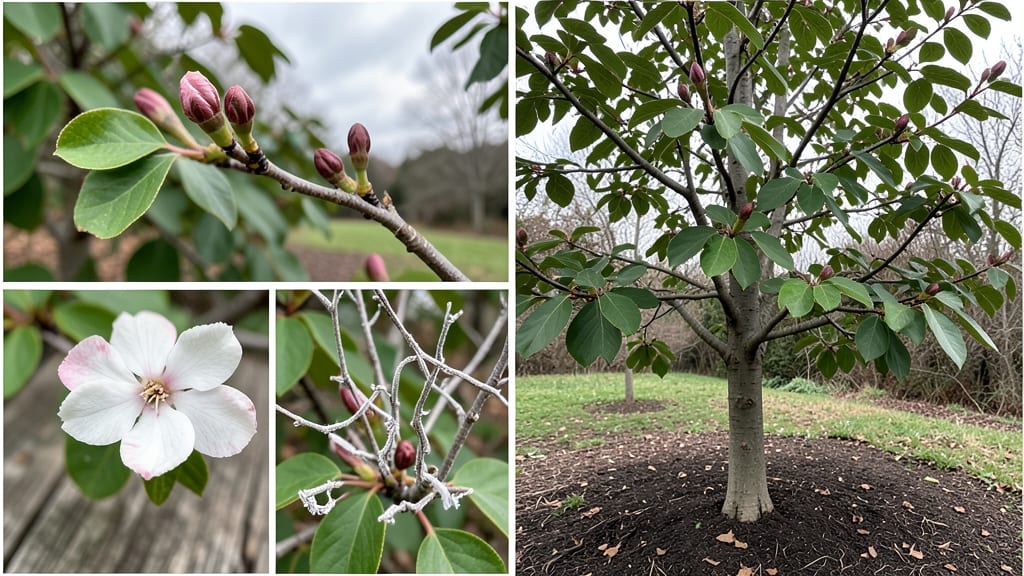
Your dogwood tree didn’t bloom this year—and that’s more common than you think. 🌳 The good news? Most cases fix easily with light adjustments, better nutrition, or simple pruning.
I’ve helped dogwoods rebound after years of no flowers by focusing on these three key areas, and I’ll show you exactly how to diagnose and fix the problem before next spring.
First, check the basics: dogwoods need 6+ hours of sunlight daily and well-draining soil rich in organic matter. If your tree’s in shade or compacted soil, blooms won’t appear—even if the tree looks healthy.
Young trees (under 5 years) or newly planted ones often skip blooming too, so don’t panic if yours is still establishing. The fix? Move it to a sunnier spot or amend the soil with compost.
Next, feed it right. Dogwoods thrive with a balanced fertilizer (like 10-10-10) in early spring, followed by a low-nitrogen, high-phosphorus boost (like 5-10-5) in late summer to encourage flower buds. Over-fertilizing can backfire, so stick to the recommended amounts.
If pests like borers or scale are present, they can stress the tree—treat with horticultural oil or insecticidal soap if you spot damage.
With the right care, your dogwood will bounce back stronger. Prune dead branches now, and by next spring, you’ll see fresh growth—and hopefully, those iconic white or pink blooms.
The key is patience: some trees take 2-3 seasons to recover fully, but the effort is worth it for that stunning spring display.
Why it happens
Dogwood trees (Cornus florida) are prized for their stunning spring blooms, but when those flowers fail to appear, it’s often due to a mix of environmental and care-related factors. Understanding these causes can help you diagnose the issue and take corrective action for next season.
Below, we break down the most common reasons your dogwood didn’t bloom this year—along with the science behind them.
Dogwoods require a period of dormancy triggered by cold temperatures to set flower buds. Without enough chilling hours (typically 400–800 hours below 45°F), the tree skips blooming entirely.
Why it happens:
- Global warming has reduced winter chill in many regions, confusing the tree’s internal clock.
- Urban heat islands (cities with concrete and asphalt) trap warmth, preventing proper dormancy.
- Mild winters (e.g., 2023’s erratic weather) may not provide consistent cold snaps.
Actionable fix:
- Monitor your local chill hour accumulation (check with your Cooperative Extension Service).
- If your area lacks chill, consider selecting cold-hardy cultivars like Cornus florida ‘Cherokee Brave’ or Cornus kousa, which adapt better to warmer climates.
- Mulch heavily in late fall to protect roots from temperature swings.
While dogwoods thrive in partial shade, excessive sun—especially in hot climates—can stress the tree, diverting energy away from flowering.
Why it happens:
- Southern exposures or thin canopies expose branches to intense afternoon sun, causing leaf scorch.
- Drought stress (even mild) forces the tree to prioritize survival over blooms.
- Young trees or those recovering from transplant shock may skip flowering to rebuild roots.
Actionable fix:
- Prune nearby trees to filter harsh sunlight while maintaining airflow.
- Water deeply (1–2 inches per week) during dry spells to prevent moisture stress.
- Use shade cloth temporarily in extreme heat zones to protect new growth.
Dogwoods are light feeders—too much fertilizer (especially high-nitrogen) can lead to leafy growth at the expense of flowers, while deficiencies stunt blooming entirely.
Why it happens:
- Nitrogen-heavy fertilizers (like lawn fertilizers) promote foliage but suppress flowering.
- Phosphorus or potassium deficits (critical for bud formation) may occur in poor or compacted soil.
- Over-fertilizing in late summer/fall can encourage weak, late-season growth that freezes back.
Actionable fix:
- Test your soil (pH 5.5–6.5 is ideal; adjust with lime or sulfur if needed).
- Apply a balanced, slow-release fertilizer (e.g., 10-10-10) in early spring—avoid high-nitrogen blends.
- Top-dress with compost in autumn to replenish organic matter without burning roots.
Hidden pests (like borers, scale, or spider mites) or fungal infections (e.g., powdery mildew, anthracnose) can weaken the tree, preventing it from allocating energy to flowers.
Why it happens:
- Dogwood borers (larvae of Synanthedon scitula) tunnel into bark, disrupting nutrient flow.
- Scale insects sap sap, causing yellowing leaves and stunted growth.
- Fungal diseases (common in wet springs) clog stomata, reducing photosynthesis.
Actionable fix:
- Inspect bark and leaves for sawdust-like frass (borer sign) or sticky residue (scale).
- Apply horticultural oil in early spring to smother overwintering pests.
- Prune infected branches (sterilize tools with 70% alcohol) and water at the base (not overhead) to prevent fungal spread.
Dogwoods are sensitive to root disturbance. If recently planted or moved, the tree may prioritize root establishment over flowering.
Why it happens:
- Root-bound plants (from nursery pots) struggle to adapt to new soil.
- Compacted or poorly drained soil restricts root growth.
- Over-pruning (especially late-season cuts) removes next year’s flower buds.
Actionable fix:
- Avoid transplanting in late summer/fall—wait until dormant season (late winter).
- Amend soil with organic matter (compost or peat moss) to improve drainage.
- Mulch 3 inches deep (keep mulch 6 inches from the trunk) to protect roots and retain moisture.
Frost damage to flower buds, late-season heatwaves, or prolonged drought can burn buds before they open.
Why it happens:
- Late frosts (after buds swell) kill emerging flowers.
- Sudden temperature swings (e.g., 80°F days followed by 30°F nights) shock the tree.
- Drought in late winter/early spring causes buds to desiccate.
Actionable fix:
- Cover young trees with frost cloth during late-spring freezes.
- Install a drip irrigation system to deliver consistent moisture during dry spells.
- Choose early-blooming cultivars (like Cornus florida ‘Rubra’) to avoid frost risks.
Young dogwoods (under 5 years) and over-mature trees may skip blooming as they focus on establishment or decline.
Why it happens:
- First 3–5 years: Trees direct energy to root and trunk growth.
- Older trees (30+ years): Reduced vigor from natural senescence or root decline.
- Some cultivars (e.g., Cornus kousa) bloom later than Cornus florida—don’t panic if it takes a few seasons!
Actionable fix:
- Be patient with young trees—blooms may return next year.
- Rejuvenate old trees with selective pruning (remove 1/3 of oldest wood) to encourage new growth.
- Consider propagation (layering or grafting) if the tree is beyond revival.
Salt buildup (from de-icing or poor-quality water), herbicide drift, or metal contamination can inhibit flowering.
Why it happens:
- Road salt runoff (common in urban areas) burns roots and disrupts nutrient uptake.
- Glyphosate or pre-emergent herbicides (applied nearby) can systemically poison the tree.
- Alkaline soil (pH >7.0) locks out micronutrients like iron and zinc, needed for blooms.
Actionable fix:
- Flush soil with rainwater or distilled water if salt contamination is suspected.
- Test for herbicide residue (contact your Extension Service for soil analysis).
- Add elemental sulfur to lower pH if soil tests reveal alkalinity.
Most bloom failures stem from missed dormancy cues, stress, or poor growing conditions—not irreversible damage. By addressing chill hours, sunlight, nutrients, and pests, your dogwood should rebound with vibrant blooms next spring. 🌸
(Need a tailored fix? Scroll down for light and nutrient solutions to revive your tree!)
Revive Your Dogwood’s Blooms
If your dogwood tree skipped its usual spring show, don’t panic—there are practical ways to coax it back to life and ensure a vibrant display next year. Below, we’ll break down the most common causes and actionable fixes, from quick adjustments to long-term care.
Whether it’s light, nutrients, or stress holding back your tree, these solutions will help you turn things around.
Dogwoods thrive in dappled shade to partial sunlight—too much harsh sun or deep shade can stunt blooms. If your tree isn’t getting the right balance:
- 🔥 Adjust the Surroundings Thin out dense foliage (like overgrown shrubs or trees) blocking sunlight but leaving some shade to protect the tree from afternoon heat. A morning sun, afternoon shade setup is ideal.
- 🌳 Relocate Young Trees (If Possible) If your dogwood is planted in a spot with no natural light variation (e.g., under a dense evergreen or in a fully shaded corner), consider transplanting it to a sunnier location with 4–6 hours of indirect light daily.
- 💡 Pro Tip: Use a light meter (or a simple phone app) to check light levels. Dogwoods need at least 3,000–5,000 foot-candles of light to bloom well.
Dogwoods are light feeders—too much fertilizer can harm them, but a balanced deficiency can prevent blooms. Test your soil first (a simple home test kit works) to identify what’s missing.
| Symptom | Likely Cause | Solution |
|---|---|---|
| Yellowing leaves | Nitrogen deficiency | Apply 1–2 lbs of compost or a slow-release, low-nitrogen fertilizer (5-10-5 ratio) in early spring. |
| Purple or reddish stems | Phosphorus deficiency | Work in bone meal (1–2 cups per tree) or use a phosphorus-rich fertilizer (like 10-20-10). |
| Weak, sparse growth | Potassium deficiency | Add wood ash (sparingly) or a potassium sulfate fertilizer in late summer. |
| Pale, weak leaves | Micronutrient deficiency | Use a chelated micronutrient spray (like one with iron, zinc, and manganese) in early spring. |
- ⏰ Best Time to Fertilize:
- Early spring (before buds swell) for nitrogen.
- Late summer/early fall for phosphorus and potassium to support root and flower development.
- ✨ Prevention Tip: Mulch properly—a 3-inch layer of organic mulch (like shredded bark) retains moisture and slowly releases nutrients. Keep mulch 6 inches away from the trunk to avoid rot.
Dogwoods are sensitive to drought and soggy soil—both can stress the tree and halt flowering.
- 👨🍳 Watering Fixes
- Deep watering (1–2 inches per week) is better than frequent shallow watering. Use a soaker hose or drip irrigation to avoid wetting the foliage (which can cause disease).
- Check soil moisture—stick your finger 2–3 inches deep. If it’s dry, water thoroughly.
- 🌡️ Drainage Solutions
- If your dogwood is in clay soil or a low spot, amend the soil with sand or compost to improve drainage.
- For container-grown dogwoods, ensure pots have drainage holes and use a well-draining potting mix.
- 🔥 Stress Relief for Mature Trees - Prune in late winter/early spring to remove dead, crossing, or crowded branches.
Avoid heavy pruning—dogwoods bloom on old wood, so limit cuts to 10–15% of the canopy. - Watch for pests (like scale or borers) and treat early with neem oil or insecticidal soap.
Once you’ve addressed immediate issues, consistent care will keep your dogwood blooming reliably:
- 📅 Annual Soil Testing
- Test soil every 2–3 years (or after major changes). Adjust pH if needed—dogwoods prefer slightly acidic soil (pH 5.5–6.5).
- 🍂 Fall Cleanup
- Remove fallen leaves and debris to prevent fungal diseases (like powdery mildew) that can stress the tree.
- 🌟 Encourage Flower Buds Early
- In late winter, give your dogwood a light application of compost and a balanced fertilizer to wake up the roots and signal the tree to produce buds.
- 🚫 Avoid Over-Fertilizing
- Dogwoods are not heavy feeders—too much nitrogen leads to leafy growth at the expense of flowers.
Final Thought: Patience is key—some dogwoods take 1–2 years to bounce back after stress. With the right adjustments, your tree will reward you with stunning spring blooms next season! 🌸
Frequently asked questions about dogwoods that didn’t bloom
My dogwood is over 10 years old—why isn’t it blooming?
Mature dogwoods (10+ years) often need rejuvenation. Over time, older branches lose vigor, and the tree may focus energy on leaf production instead of flowers. Try selective pruning in late winter—remove 1/3 of the oldest, thickest branches to stimulate new growth. This "hard pruning" shock can trigger fresh blooms within 1-2 seasons.
Could my dogwood be too young to bloom?
Most dogwoods take 3-5 years to establish roots and produce flowers. If yours is younger than 5, don’t worry—it’s prioritizing root growth. Give it consistent moisture and balanced fertilizer (like 10-10-10) in early spring to speed up maturation. Some dwarf varieties bloom even sooner!
What’s the fastest way to fix a dogwood that’s not blooming?
Start with these 3 quick fixes: Check sunlight—dogwoods need 4-6 hours of morning sun (afternoon shade is ideal). Test soil pH—aim for 5.5-6.5 (use sulfur if too alkaline). Apply compost (2-3 inches) around the base in early spring. These adjustments often restore blooms within 1 season.
Are there dogwood varieties that bloom more reliably?
Yes! Cornus florida ‘Cherokee Brave’ and Cornus kousa varieties are more cold-hardy and bloom consistently even in warmer climates. For drought-prone areas, try Cornus florida ‘Rubra’—it’s early-blooming and handles stress better. Always check your zone’s chill hours when selecting new trees.
Could pests be silently killing my dogwood’s blooms?
Definitely! Dogwood borers and scale insects drain nutrients, while fungal diseases (like anthracnose) clog the tree’s system. Inspect bark for sawdust-like frass (borer sign) or sticky residue (scale). Treat with horticultural oil in early spring. Prune infected branches and sterilize tools with 70% alcohol.