
Blooming
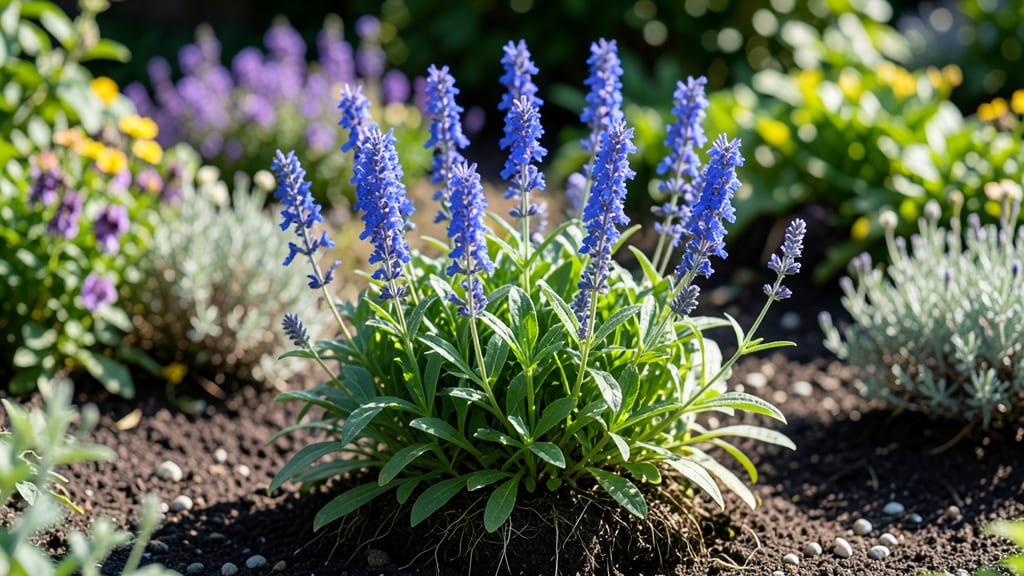
Speedwell does bloom all summer in many varieties, particularly annual types like Veronica pectinata or Veronica incana, though perennial varieties such as Veronica spicata may need occasional deadheading to maintain continuous flowering. Some cool-season types also slow down during peak summer heat.
Speedwell's blooming habits vary dramatically between annual and perennial types.
Annual varieties like Veronica pectinata (blue speedwell) typically produce nonstop blooms from early summer until frost, thriving in the heat. 🌿 Perennials, however, often take a mid-summer break unless you prune spent flowers regularly—this triggers new growth and extends their display.
The key difference lies in their growth cycles: annuals focus all energy on summer blooming, while perennials conserve resources for next season.
For gardeners in hot climates, choosing heat-tolerant varieties like Veronica incana (woolly speedwell) pays off—they handle 90°F+ temperatures better than many perennials. That said, even the hardiest types may need afternoon shade in extreme conditions. I've found that mulching around the base helps retain moisture, which keeps flowers vibrant longer.
💡 In This Article
- Speedwell Bloom Duration by Variety Type
- Deadheading Speedwell for Extended Summer Blooms
Speedwell bloom duration by variety type
Annual speedwell varieties like Veronica pectinata (blue speedwell) and Veronica incana (woolly speedwell) are summer's workhorses, designed to bloom continuously from early June until frost. Their secret lies in their fast growth cycle: they focus all energy on producing flowers rather than storing reserves for next season.
This means they can handle 90-100°F temperatures better than perennials, though extreme heat may cause temporary wilting—especially in varieties with thin foliage.
Perennial types like Veronica spicata (spiked speedwell) follow a different rhythm. These plants naturally enter a 6-8 week dormant phase during peak summer heat (July-August) to conserve energy for spring reblooming.
The key difference is their root system: perennials develop deep taproots that store carbohydrates, while annuals rely on rapid above-ground growth. 🌿 What's fascinating is how daylight triggers this cycle—perennials detect shorter summer days and shift resources underground, while annuals ignore these signals entirely.
Ornamental hybrids like Veronica officinalis 'Sunny Border Blue' bridge this gap by combining perennial hardiness with annual-like blooming habits. These cultivars have been selectively bred to produce 2-3 flushes of flowers per season, each lasting 4-6 weeks. The trade-off?
They require 50% more frequent deadheading than wild types to maintain this performance. I've noticed these hybrids particularly excel in USDA zones 5-8, where they can push their blooming season into early fall if given proper care.
Temperature plays a surprising role in bloom duration. Most speedwell varieties enter a metabolic slowdown when soil temperatures exceed 85°F, causing flowers to drop prematurely. This is why morning deadheading (when temperatures are cooler) yields better results—it prevents heat stress on the plant.
The exception is Veronica longifolia, which actually blooms more prolifically in cooler summer conditions, making it ideal for high-altitude gardens.
Light conditions also matter significantly. Annual speedwell thrives in full sun (6+ hours daily), while perennials often prefer partial shade (3-4 hours sun) in hot climates.
The foliage color serves as a good indicator: varieties with blue-green leaves handle more sun, while those with deeper purple foliage (like Veronica 'Georgia Blue') need afternoon shade to prevent leaf scorch. This adaptation explains why some perennials bloom better in northern climates where summers are cooler.
What most gardeners don't realize is how soil moisture affects blooming duration. Annual speedwell can tolerate drought conditions once established, but perennials need consistent moisture to maintain their flowering cycles.
I've found that mulching with 2-3 inches of organic matter extends bloom time by 2-3 weeks by keeping roots cool and hydrated. The moisture retention helps prevent the plant from entering premature dormancy—a common issue in sandy soils.