
Blooming
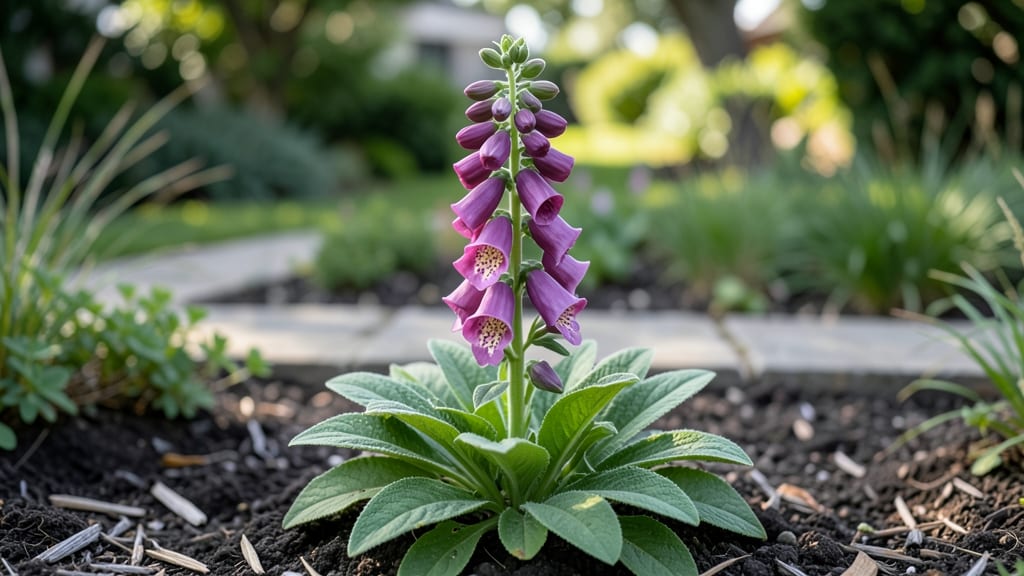
Foxglove does not bloom all summer naturally, since most varieties produce a single burst of flowers in early to mid-summer before going dormant. Encouraging reblooming requires removing spent blooms consistently and choosing biennial or perennial types like 'Excelsior' or 'Giant Candelabra' that respond better to care.
Most foxglove plants follow a natural one-season bloom cycle, where they focus all their energy on producing flowers before shifting to seed production. 🌸 The key to extending their display lies in understanding their growth habits—biennials like 'Excelsior' store energy underground to rebloom the following year, while perennials may produce smaller second flushes if given proper conditions.
I’ve found that deadheading (removing faded blooms) redirects the plant’s energy back to flower production rather than seed development, which can sometimes coax a second, though often smaller, bloom cycle later in the season.
For best results, pair deadheading with well-draining soil and consistent moisture—foxglove hates soggy roots. A light application of balanced fertilizer after the first bloom can also encourage new growth, but avoid over-fertilizing, which can lead to leafy growth at the expense of flowers.
The right variety and care make all the difference in turning a single summer show into a prolonged display.
💡 In This Article
- Foxglove Flowering Cycles by Variety
- Deadheading and Care Tips for Longer Foxglove Blooms
Foxglove flowering cycles by variety
Foxglove's blooming patterns are deeply tied to its growth cycle. Most varieties are biennials, meaning they complete their life cycle in two years. In the first year, they focus on building a strong root system and leaves, storing energy for the following year's bloom.
The second year, they produce a single, dramatic flush of flowers in early to mid-summer, typically between May and July, before the plant dies back. This natural rhythm is triggered by daylight length and temperature shifts, with cooler spring temperatures signaling the start of flowering.
The 'Giant Candelabra' and 'Excelsior' varieties are exceptions, as they're bred to be more perennial-friendly, meaning they can rebloom if given the right conditions. These types store more energy in their roots and may produce smaller second flushes later in summer or even into fall.
Climate plays a huge role here—foxglove thrives in USDA zones 4-8, where cooler summers and mild winters help sustain their energy reserves. In warmer zones, like zone 9 or 10, foxglove may struggle to rebloom due to heat stress, which accelerates the plant's energy depletion.
What most gardeners overlook is how foxglove's flowering is tied to its seed production instinct. Once the first blooms fade, the plant shifts focus to producing seeds, which is why deadheading—removing spent flower spikes—can trick the plant into producing more blooms.
This works because it prevents the plant from diverting energy to seed development. Without intervention, foxglove's natural cycle ensures it reproduces before the plant's energy reserves are exhausted, leaving gardeners with a single, spectacular—but short-lived—display.
For those in cooler climates, like the Pacific Northwest or New England, foxglove can be more forgiving. The shorter growing season and cooler temperatures slow the plant's metabolism, allowing it to hold onto energy longer.
In contrast, hot, humid summers, such as those in the Southeast, can cause foxglove to bolt (flower prematurely) or fade quickly due to stress.
The key is matching the variety to your climate—biennial types like 'Autumn Magic' are better suited for cooler regions, while perennials like 'Rosy Pink' may handle heat slightly better.
Here’s a quick comparison of how different varieties perform:
- Biennial varieties (e.g., 'Giant Candelabra'): One major bloom cycle, but may produce smaller second flushes if deadheaded and given ideal conditions.
- Perennial varieties (e.g., 'Excelsior'): More likely to rebloom with proper care, but often with smaller, less dramatic flowers.
- Short-day varieties (e.g., 'Autumn Magic'): Triggered to bloom in response to shorter daylight hours, extending the season in cooler climates.
The takeaway? Foxglove’s blooming habits are a mix of biology and environment. Understanding your variety and climate is the first step to coaxing a longer display. 🌿