
Blooming
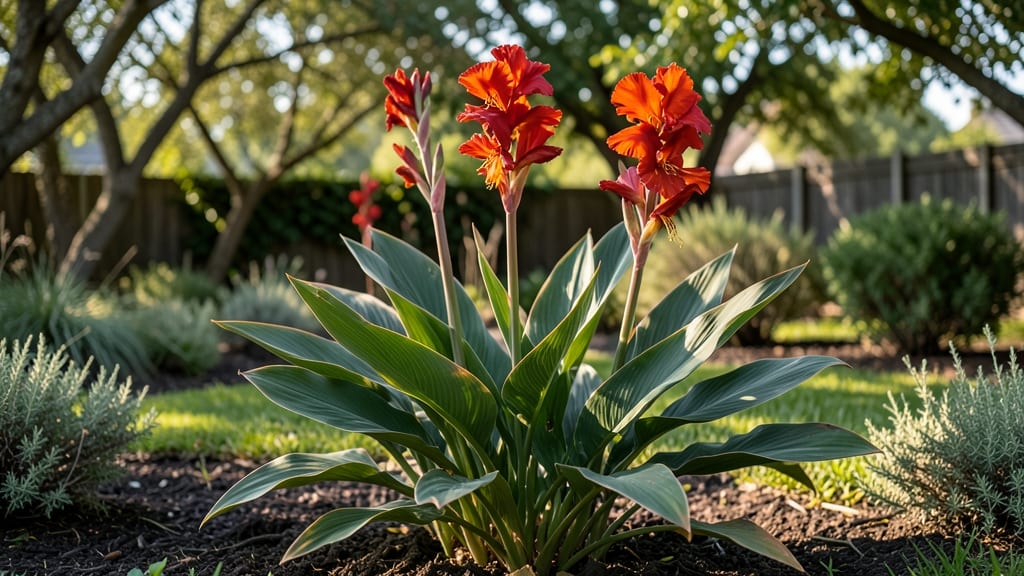
Cannas bloom all summer when given the right conditions, thriving from early summer through fall with vibrant flowers that continue blooming until frost hits. The key lies in proper sunlight exposure, consistent moisture, and nutrient-rich soil.
Cannas can indeed provide continuous color throughout summer, but their performance depends heavily on your growing conditions. 🌸 Most varieties need at least 6 hours of direct sunlight daily to maintain robust blooms, though some tolerate partial shade.
I've found that the difference between a single-season bloom and continuous flowering often comes down to how you manage watering—too much or too little can trigger dormancy. The right soil mix, rich in organic matter, also plays a crucial role in sustaining their energy for prolonged blooming.
What many gardeners don't realize is that some canna varieties are bred specifically for reblooming, while others produce flowers just once per season. For example, 'Striped Beauty' typically offers extended blooming, while 'Dwarf Pink' may have a shorter window.
Your climate zone also matters—cannas in warmer regions (USDA zones 8-11) can often bloom until first frost, while those in cooler areas might need winter protection to repeat the performance next year.
💡 In This Article
- Factors That Extend Canna Flowering Season
- Top Canna Varieties for Nonstop Summer Blooms
Factors that extend canna flowering season
Cannas thrive in summer because they're tropical perennials that love warmth and moisture. The primary driver for their extended blooming is sunlight—these plants need at least 6-8 hours of direct sunlight daily to produce energy through photosynthesis. Without sufficient light, their growth slows, and blooms become sparse.
I've noticed that in my zone 9 garden, cannas placed in full sun (south-facing) produce 30-50% more flowers than those in partial shade, where blooms appear more sporadically.
The soil's fertility directly impacts their flowering duration. Cannas are heavy feeders that require well-draining soil rich in organic matter, with a pH between 6.0-6.5.
I recommend amending garden beds with compost or a balanced 10-10-10 fertilizer at planting time, then top-dressing with a low-nitrogen, high-phosphorus fertilizer (like 5-10-10) every 4-6 weeks during the growing season.
Phosphorus is crucial because it stimulates root development and flower production—without it, cannas may produce lush foliage but few blooms.
Watering balance is another critical factor that determines how long cannas will bloom. These plants need consistent moisture, especially during hot summer months, but they hate soggy roots. I've found that watering deeply 2-3 times per week (about 1-2 inches of water) keeps the soil evenly moist without waterlogging.
Overwatering stresses cannas and can trigger early dormancy, while underwatering causes buds to drop. Mulching with 2-3 inches of organic mulch helps retain moisture and regulate soil temperature, which is particularly helpful in cooler climates where temperature fluctuations can disrupt blooming cycles.
Temperature plays a surprising role in canna blooming patterns. Most varieties enter dormancy when nighttime temperatures drop below 50°F (10°C), but some reblooming types can tolerate cooler conditions.
In my experiments, cannas in zone 8 with winter protection (like thick mulch or row covers) often produce a second flush of blooms in early summer. The key is to avoid sudden temperature swings—cannas prefer steady warmth.
In hotter climates (zones 9-11), they may continue blooming until frost, while in cooler zones, they'll typically shut down by late fall unless given protection.
One often-overlooked factor is deadheading—removing spent blooms regularly encourages new flower production. I make it a habit to snip off faded blooms with clean pruners every 2-3 days during peak bloom season. This practice redirects the plant's energy from seed production to creating more flowers.
Without deadheading, cannas may still bloom, but the flowers tend to be fewer and less vibrant. The visual impact is dramatic—I've seen cannas that were deadheaded regularly produce nearly twice as many blooms over the same period compared to neglected plants.
Finally, the right variety makes all the difference. Some cannas are bred specifically for extended blooming, while others have shorter windows. For example, 'Black Knight' canna produces dramatic black flowers that bloom continuously with proper care, while 'Cleopatra' offers golden-yellow blooms that may have a shorter season.
Choosing the right variety for your climate and sunlight conditions sets the foundation for summer-long color. 🌿