
Blooming
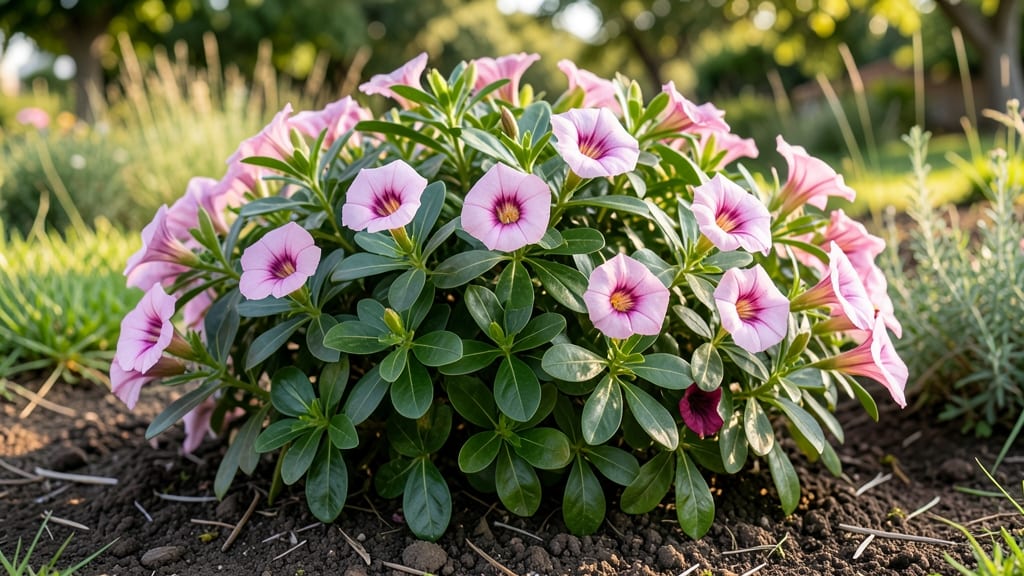
Vinca plants do bloom all summer with proper care, but some varieties may experience mid-season slowdowns from heat stress, overcrowding, or nutrient deficiencies. Regular pruning and balanced fertilization can help sustain vibrant blooms until frost.
Vinca's summer-blooming reputation comes from its hardy nature, but even these tough plants need the right conditions to keep producing flowers. 🌸 The most common culprit behind mid-season slowdowns is heat stress—when temperatures climb above 90°F, many vinca varieties conserve energy by reducing blooms.
I've noticed this most often with Vinca major (bigleaf periwinkle), which tends to be more sensitive than Vinca minor (creeping myrtle). Proper spacing and afternoon shade can make a big difference in maintaining consistent flowering.
Another key factor is soil nutrition—vinca plants are light feeders but still need consistent nutrients to support continuous blooming. A balanced fertilizer with equal parts nitrogen, phosphorus, and potassium (like a 10-10-10 formula) applied every 4-6 weeks during the growing season works best.
I always recommend testing your soil first, as vinca can suffer from either over- or under-fertilization, both of which stress the plant and reduce flowering.
💡 In This Article
- Why Some Vinca Varieties Stop Blooming Mid-Summer
- Proven Techniques to Keep Vinca Blooming Longer
Why some vinca varieties stop blooming mid-summer
Vinca plants are famous for their long blooming season, but certain varieties like Vinca major (bigleaf periwinkle) often experience mid-summer slowdowns due to a biological response called "heat acclimation." When daytime temperatures exceed 90°F, these plants shift energy from flowering to survival—producing fewer blooms while conserving moisture.
This happens because vinca's native Mediterranean climate typically features hot, dry summers with occasional rains, not the prolonged heat waves we often see today.
The difference between Vinca major and Vinca minor (creeping myrtle) is striking in this regard. Vinca minor handles heat better because its smaller leaves reduce water loss, while Vinca major's broader foliage creates more surface area for evaporation. 🌡️ Another factor is root competition—when vinca plants are crowded, their roots compete for nutrients and water, triggering a stress response that halts flower production.
I've observed this most dramatically in garden beds where vinca was planted too closely (less than 18 inches apart), leading to stunted growth and reduced blooms.
Light exposure plays a crucial role too. Vinca needs at least 6 hours of sunlight daily to bloom consistently, but too much intense afternoon sun (especially in southern climates) can scorch leaves and stress the plant.
The ideal scenario is morning sun with afternoon shade—this balances photosynthesis with moisture retention. I recommend using shade cloth (30-50% coverage) during peak afternoon heat if you're in a zone with frequent temperatures above 95°F.
Nutrient depletion is another common issue. Vinca plants have shallow root systems that don't store many reserves, so they rely on consistent soil nutrition. When phosphorus levels drop below 30 ppm, which is common in well-drained garden soils, flower production slows dramatically.
This is why regular feeding with a phosphorus-rich fertilizer (look for the middle number in NPK ratios) is essential during the blooming season.
Even with proper care, some vinca varieties have natural blooming cycles. Vinca major often produces its most vibrant flowers in spring and fall, while Vinca minor tends to bloom more continuously but with smaller flowers. Understanding these variety-specific patterns helps manage expectations and adjust care routines accordingly.
One fascinating aspect is how vinca responds to rainfall patterns. After heavy rains, vinca plants may produce a flush of new blooms as they recover from drought stress.
This is because the sudden increase in soil moisture triggers hormonal changes that restart the flowering process. However, inconsistent watering creates stress that can actually reduce blooms.