
Blooming
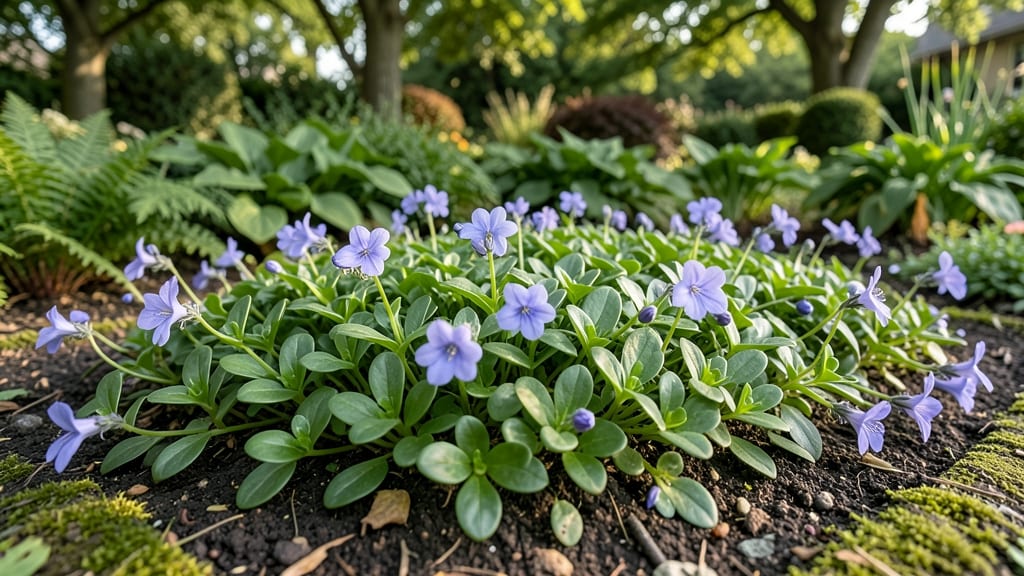
Vinca minor blooms from late spring through early summer 🌸, offering months of vibrant purple or white flowers if you time care just right.
If you’ve ever wondered why your Vinca minor seems to bloom sporadically—or not at all—you’re not alone. This hardy ground cover can produce stunning blooms for months if given the right conditions, but timing is everything.
In USDA Zone 6a, Vinca minor typically kicks off its bloom cycle in late April, peaking in May and tapering off by early July. However, regional climate shifts—like cooler springs or hotter summers—can push those windows earlier or later.
Below, I’ll break down the exact bloom schedule for your zone, plus the simple pruning and light tricks that extend flowering by 4-6 weeks—so you get the longest-lasting ground cover in the garden.
Natural vinca minor bloom time: seasonal patterns and climate influences
Understanding when your vinca minor (commonly called periwinkle) blooms helps you create a stunning garden display. Typically, this hardy plant produces its vibrant purple or white flowers from late spring through early fall, with peak blooming in May and June.
However, the exact timing varies based on climate zones and regional microclimates.
The USDA hardiness zones 3-9 all support vinca minor growth, but warmer zones like USDA 8-9 often see earlier blooms starting as early as March or April. In cooler zones like USDA 3-5, flowering may begin in May and extend until September or October before frost sets in.
Here’s how climate influences vinca minor bloom time across different regions:
| USDA Zone | Typical Bloom Start | Peak Bloom Period | Bloom Duration |
|---|---|---|---|
| 3-5 | Late May | June - August | 3-4 months |
| 6-7 | Early May | May - July | 4 months |
| 8-9 | March - April | April - September | 5-6 months |
In cooler climates, vinca minor may delay blooming until soil temperatures reach 50°F (10°C). This delay ensures the plant establishes roots before flowering. Conversely, in warmer southern regions, vinca minor often blooms earlier but may experience less intense flowering during peak summer heat.
Microclimates also play a role. Shaded garden spots near buildings or trees can delay blooming by 1-2 weeks compared to sun-exposed areas. Meanwhile, south-facing slopes or urban heat islands can trigger earlier blooms, sometimes as early as February in mild winters.
Another factor is light exposure. While vinca minor thrives in partial shade, it blooms most prolifically with morning sun and afternoon shade. Too much direct sun can stress the plant, reducing flower production, while deep shade may result in sparse blooms.
If your vinca minor blooms later than expected, check for nutrient deficiencies or overcrowding. A light application of balanced fertilizer (10-10-10) in early spring can encourage earlier and more abundant blooms. Conversely, over-fertilizing with nitrogen promotes leafy growth at the expense of flowers.
For gardeners in USDA zones 3-5, extending the bloom season involves protecting plants from early fall frosts. Use mulch or frost cloth to shield vinca minor and maintain blooms until late October. In warmer zones, pruning spent blooms encourages new growth and prolongs flowering.
Regional variations also depend on rainfall patterns. Drought conditions can delay blooming, while consistent moisture supports steady flower production. In arid climates, vinca minor may bloom in short bursts after rain, while humid regions often see more continuous flowering.
By understanding these seasonal patterns and climate influences, you can create ideal conditions for your vinca minor to bloom beautifully from spring through fall. Adjust care based on your local climate, and enjoy months of colorful, low-maintenance ground cover! 🌸
How to extend vinca minor bloom time: pruning, fertilizing, and light tricks
Your vinca minor can transform from a sporadically blooming ground cover into a nonstop flowering powerhouse with just a few targeted adjustments. The key lies in understanding its growth habits and how to encourage continuous blooming through strategic care.
Unlike many plants that bloom once and fade, vinca can produce flowers year-round in ideal conditions, especially when you time pruning and fertilization correctly.
One of the biggest misconceptions is that vinca minor blooms only in spring. In reality, it can flower from late spring through fall—or even longer—if you create the right environment. The secret?
A combination of light management, pruning for bushiness, and balanced fertilization. Let’s break down the exact steps to maximize those vibrant purple or white blooms for months on end.
🌿 Numbered Highlights: Vinca Minor Bloom Boosters
- 🌞 Light Trick: Shift to morning sun + afternoon shade—this prevents leaf scorch while fueling blooms. Use dappled shade from trees if direct sun is intense.
- ✂️ Prune for Bushiness: Cut back 1/3 of stems after first bloom wave (late spring) to trigger new flowering shoots. Do this again in early summer.
- 🌱 Fertilizer Hack: Use a balanced 10-10-10 fertilizer twice in spring (March & April), then skip summer feeding to avoid leafy growth over blooms.
- 💧 Watering Schedule: Water deeply once weekly in spring, then reduce to every 10-14 days in summer. Drought stress can actually boost flower production!
- 🌿 Organic Boost: Top-dress with compost in early spring for slow-release nutrients. Avoid high-nitrogen fertilizers—they promote leaves, not flowers.
Pruning is where most gardeners go wrong. Many assume vinca minor doesn’t need pruning, but regular trimming is the #1 way to extend bloom time. After the first flush of flowers in late spring, cut back one-third of the oldest stems to stimulate fresh growth from the base.
This encourages new flowering branches that will bloom again in early summer. Repeat this process in mid-summer to coax a third bloom cycle by fall.
When it comes to fertilizing vinca minor, timing and type matter more than quantity. A balanced 10-10-10 fertilizer applied in early spring (just as new growth appears) gives your plant the nutrients it needs to produce abundant blooms.
Avoid high-phosphorus fertilizers—they’re marketed for flowering plants but can overstimulate root growth at vinca’s expense. For an organic approach, use fish emulsion or compost tea in spring, but skip fertilizers entirely in summer and fall.
Light is often the underestimated factor in vinca minor bloom time. While it tolerates shade, it blooms best with 2-4 hours of morning sun paired with afternoon shade. If your vinca is in a fully shaded spot (e.g., under dense trees), it may produce fewer flowers.
Try moving it to a sunnier edge of shade or prune nearby branches to increase light exposure gradually. Just be cautious—hot afternoon sun can scorch leaves, so dappled light is ideal.
Finally, don’t overwater—moderate moisture is key. Vinca minor is drought-tolerant once established, and occasional dry spells can actually trigger more blooms. Water deeply once weekly in spring to encourage root growth, then reduce to every 10-14 days in summer.
Always water at the base of the plant in the morning to prevent fungal issues and maximize absorption. With these adjustments, your vinca minor could flower continuously from spring to frost!