
Blooming
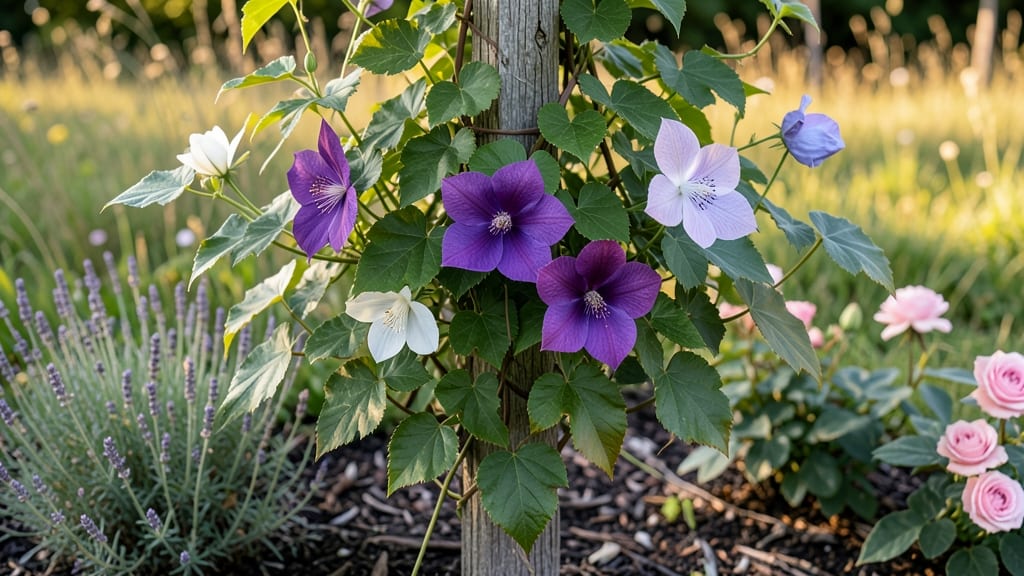
Clematis can bloom all summer with the right seasonal care, including regular deadheading, proper pruning for their specific type, consistent moisture, and balanced fertilization to support continuous flower production.
This summer-long blooming isn't magic—it's science! 🌸 Clematis plants are divided into three pruning groups, each with unique blooming habits. Group 1 varieties (like 'Jackmanii') flower on previous year's growth, while Group 3 (like 'Niobe') bloom repeatedly on new stems.
The key is matching your pruning timing to these natural growth cycles, combined with regular deadheading to encourage new buds. I've found that providing morning sunlight and evening shade helps maintain bloom intensity, while avoiding overwatering prevents stress that can halt flowering.
What truly makes the difference is understanding your specific clematis variety's needs. Early bloomers need minimal pruning, while late-season varieties benefit from aggressive summer pruning to stimulate fall flowers. The right phosphorus-rich fertilizer applied every 4-6 weeks keeps the energy flowing to those blossoms.
Think of it like giving your plant a steady supply of "bloom fuel" throughout the growing season.
💡 In This Article
- Why Clematis Bloom Patterns Vary by Type and Pruning
- Season-Long Clematis Care: Pruning, Feeding, and Maintenance
Why clematis bloom patterns vary by type and pruning
The secret to summer-long clematis blooms lies in their growth habits and how they respond to pruning. These vines are classified into three pruning groups based on when and where they produce flowers.
Group 1 varieties like 'Jackmanii' bloom on last year's wood, meaning they set buds in late summer/fall for spring blooms—so aggressive pruning would remove next year's flowers. Group 3 varieties such as 'Niobe' bloom repeatedly on new growth, thriving with regular pruning to encourage continuous flowering.
This biological difference explains why some clematis seem to bloom all summer while others have distinct seasonal peaks.
Sunlight exposure plays a crucial role in these patterns. Clematis need 6-8 hours of morning sun but benefit from afternoon shade in hot climates to prevent leaf burn. The plant's photoperiodism (light sensitivity) triggers bud formation—too much heat stress can halt flowering.
Temperature fluctuations also matter: Group 2 varieties (like 'The President') bloom on both old and new wood, making them more adaptable to varied conditions. The ideal blooming window occurs when daytime temperatures stay between 65-75°F—any hotter, and the plant conserves energy by producing fewer flowers.
Here's what happens when you get the pruning wrong: Over-pruning Group 1 clematis removes next year's blooms entirely, while under-pruning Group 3 varieties leads to leggy growth with sparse flowers.
The key is matching your pruning to the plant's natural cycle—Group 1 gets minimal cuts in early spring, Group 3 gets hard pruning in late winter, and Group 2 gets a balanced approach.
Deadheading spent blooms (cutting back to the first healthy leaf pair) stimulates new growth and extends the flowering season by up to 3-4 months for Group 3 varieties.
Consider this comparison: 'Jackmanii' (Group 1) typically blooms in two flushes—spring and fall—while 'Niobe' (Group 3) can produce flowers continuously from June through October with proper care.
The difference comes down to where the plant stores energy: Group 1 varieties prioritize spring blooms using stored reserves, while Group 3 varieties generate new flowers from current season's growth. This biological division explains why some gardeners report "all-summer blooms" while others see seasonal gaps.
Temperature also creates regional variations. In cooler climates (USDA Zones 3-5), clematis often bloom later in the season as they wait for consistent warmth. In warmer zones (6-9), they may start earlier but need afternoon shade to prevent stress.
The plant's natural response to temperature shifts creates these regional blooming patterns—something I've observed when growing 'Comtesse de Bouchaud' (Group 2) in both Pacific Northwest and Southern California gardens. The same variety blooms 2-3 weeks earlier in California due to milder winters and longer growing seasons.
What most gardeners miss is how pruning timing affects nutrient allocation. When you prune at the right time (late winter for Group 3), you're redirecting the plant's energy toward new growth and flower production.
Prune too early, and you remove potential blooms; prune too late, and you stress the plant before the growing season. This timing sensitivity is why some clematis appear to bloom randomly—what looks like erratic flowering is often a response to improper pruning or environmental stress.