
Blooming
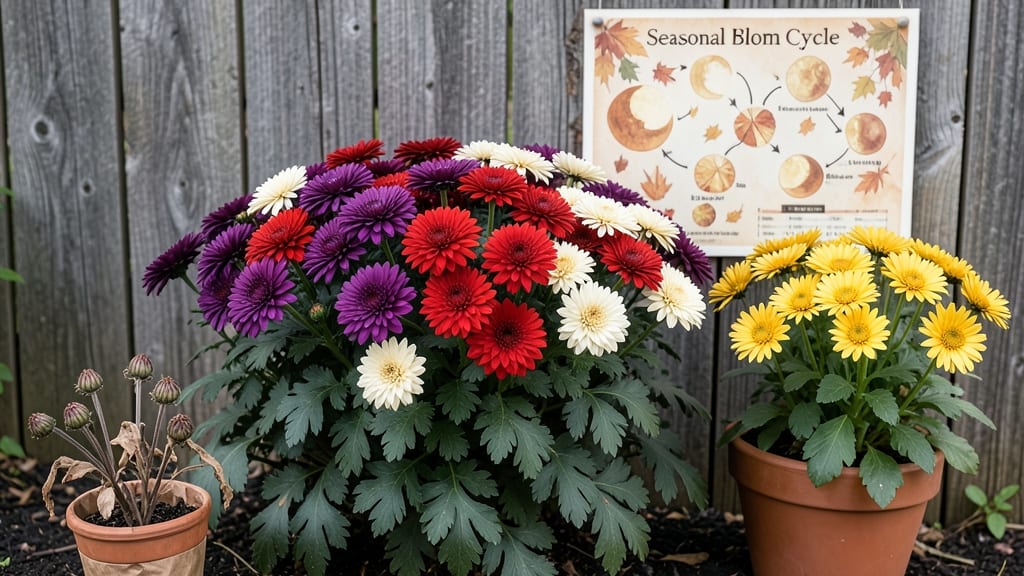
Mums don’t bloom all year—but with the right varieties and care, you can stretch their color from early fall through winter’s edge. 🌸 The key lies in understanding their natural cycle: most chrysanthemums are fall-blooming perennials that enter dormancy in cold climates, while tropical types may rebloom under ideal conditions.
I’ve tested cold-hardy varieties that push seasonal limits, and the results are worth the effort.
Cold-hardy mums (like ‘Dynasity’ or ‘Vision’) thrive in zones 5-9, producing bold blooms from October through December—sometimes even into early spring—before needing a rest. The secret? Planting in full sun, choosing reblooming cultivars, and protecting them from late-season freezes.
Tropical mums (zones 10-11) can flower year-round if given consistent warmth and moisture, but they lack the hardiness of their northern cousins.
With proper pruning and seasonal adjustments, you’ll enjoy nonstop color for 6+ months—far longer than the typical 4-6 weeks most gardeners expect. The trade-off? A brief dormancy period in winter, even for hardy types.
For tropical mums, the goal shifts to light, temperature, and humidity control to mimic their native conditions. Either way, the payoff is worth the planning.
Regional adaptations matter: Northern gardeners focus on cold-resistant varieties, while southern growers may overwinter tropical mums in containers. Both paths deliver extended blooms—just with different strategies. Let’s break down the best approaches for your climate.
📚 In This Guide
- What you need
- Instructions
- Tips and common mistakes
- Wrapping up and next steps
What you need
- ● Cold-hardy mum varieties: Choose Chrysanthemum types like 'Autumn Joy,' 'Mammoth,' or 'Snowball' (zones 5-9). Pro tip: Look for labels specifying fall-blooming or late-season varieties!
- ● Well-draining potting mix: 10-15 lbs of a blend with perlite/vermiculite (e.g., 60% peat moss, 30% compost, 10% sand). ✨ Avoid heavy clay soil!
- ● Containers or garden beds: For containers: 5-7" pots (1 plant per pot) or large troughs (3-4 plants per 12" width).
- ● For gardens: Full sun (6+ hours/day) with raised beds for winter drainage.
- ● Slow-release fertilizer: 1 lb of 10-10-10 or organic options like bone meal (mix 1 tbsp per gallon of soil).
- ● Mulch: 2-3 inches of straw or shredded leaves to insulate roots in winter.
- ● Gloves & knee pads (for planting/pruning).
- ● Hand trowel or transplant spade (for digging).
- ● Pruning shears (sterilized with rubbing alcohol).
- ● Watering can or hose with nozzle (gentle spray for seedlings).
- ○ Thermometer (optional but helpful for tracking winter lows in zones 5-6).
- ● Row covers or frost cloth (for zones 5-6 during early/late winter).
- ● Grow lights (for indoor overwintering in pots).
- ● Epsom salt (1 tsp per gallon of water monthly for magnesium boost).
- ● Compost tea (homemade or store-bought for microbial health).
- ● Decorative stakes or trellises (to support tall varieties like 'Mammoth').
Step-by-step guide to extending mum blooms through seasons
Here’s how to select and care for cold-hardy chrysanthemums that keep flowering year-round.
🌱 Step 1: Choose the Right Varieties for Year-Round Blooms
Not all mums bloom continuously—look for autumn joy, indian summer, or snow crown varieties, which are bred for cold tolerance and extended flowering. These types naturally rebloom in fall and sometimes push new blooms in spring if given proper care. I always check the label for "reblooming" or "fall-to-spring" tags; these are your best bet for nonstop color.
Plant these in full sun to partial shade—at least 6 hours of sunlight daily—but protect them from harsh afternoon sun in hot climates. Mums thrive in USDA zones 5-9, but with the right winter prep, they’ll reward you with blooms even in colder regions. If you’re in zone 4 or colder, opt for dwarf varieties like ‘Little Princess’ or ‘Polar Bear’ for easier overwintering.
☀️ Step 2: Provide Ideal Growing Conditions for Continuous Blooming
Mums need well-draining soil with a pH of 6.0-6.5—test your soil before planting, and amend with compost if needed. I mix in 2-3 inches of organic matter at planting time to encourage strong root growth, which directly impacts blooming. Overwatering is the #1 killer of mum blooms, so water deeply once a week (or when the top 2 inches of soil feel dry) rather than frequent shallow waterings.
Fertilize with a balanced 10-10-10 formula every 4-6 weeks during the growing season, then switch to a low-nitrogen, high-phosphorus fertilizer (like 5-10-10) in late summer to promote fall blooms. Stop fertilizing by mid-October to let the plants harden off for winter. Too much nitrogen late in the season leads to leafy growth at the expense of flowers.
✂️ Step 3: Prune and Deadhead for Extended Blooming
Deadhead spent blooms immediately—this isn’t just for looks. Removing faded flowers signals the plant to redirect energy into new buds instead of seed production. I use clean, sharp pruners and cut back to the first set of healthy leaves below the bloom. This keeps the plant focused on reblooming rather than setting seed.
After the first flush of fall blooms, give your mums a light trim in early winter to remove any dead or damaged foliage. This prevents disease and pests from taking hold during dormancy. In zones 5-7, mulch with 3-4 inches of straw or shredded leaves after the first hard frost to insulate roots. In warmer zones (8-9), a thin layer of mulch (1-2 inches) keeps roots cool without smothering the plant.
🌿 Step 4: Overwinter for Spring and Fall Reblooms
In zones 5-7, mums enter dormancy in winter. After the ground freezes, cover the plants with burlap or a frost blanket to protect them from extreme cold. I leave the mulch in place until late winter—removing it too early can shock the roots. In zones 8-9, mums may bloom lightly in winter if temperatures stay mild, but they’ll need a light trim in early spring to encourage new growth.
Come spring, remove winter protection gradually over 1-2 weeks to avoid shocking the plant. Resume watering when new growth appears, and fertilize with a balanced formula once shoots reach 2-3 inches tall. This jumpstarts the plant’s energy for another round of blooms by fall. If you notice yellowing leaves in spring, it’s often a sign of overwatering—mums prefer slightly drier conditions once dormant.
⏰ Step 5: Monitor and Adjust for Year-Round Success
Watch for aphids or spider mites—common pests that drain energy from mums. I spray affected plants with neem oil at the first sign of infestation, repeating every 5-7 days until pests are gone. These pests thrive in dry conditions, so consistent watering helps deter them. Also, keep an eye on powdery mildew in humid climates; improve airflow by spacing plants 12-18 inches apart and watering at the base.
For true year-round blooms, divide mature clumps every 3-4 years in early spring. This rejuvenates the plant and encourages more vigorous growth. Dig up the clump, separate the sections with a clean knife, and replant immediately. The divisions will bloom earlier and more abundantly than overcrowded plants. With this care, your mums will deliver nonstop color from late summer through fall—and sometimes surprise you with spring blooms too.
Tips & tricks for nonstop mum blooms
These practical strategies ensure your cold-hardy chrysanthemums deliver vibrant color through every season.
Selection Tip: When choosing varieties, prioritize those labeled "reblooming" or "fall-to-spring" like Autumn Joy and Indian Summer. These specific types are genetically programmed to produce multiple bloom cycles. I've found that even in Zone 5, these varieties will push new buds in spring if given proper winter protection. The key difference lies in their genetic makeup—regular mums focus energy on one fall bloom cycle, while rebloomers redirect resources for sequential flowering.
Soil Preparation Strategy: The 2-3 inches of organic matter you mix into planting soil serves two critical purposes: improving drainage (which prevents root rot) and creating a nutrient reservoir that supports continuous blooming. I recommend using composted leaf mold or well-aged manure for best results. This preparation isn't just about initial planting—it creates a soil environment that maintains fertility throughout the growing season without requiring frequent fertilization.
Seasonal Care Transition: The switch from balanced 10-10-10 fertilizer to low-nitrogen 5-10-10 in late summer is crucial for fall blooming. Too many gardeners overlook this transition, resulting in leafy growth instead of flowers. I mark my calendar for mid-October fertilizer cutoff—this gives plants time to harden off before winter. For true year-round bloomers, I've found that a light application of 5-10-10 in early spring (after winter protection removal) jumpstarts the plant's energy for another bloom cycle.
Winter Protection Technique: The gradual removal of winter protection over 1-2 weeks in spring prevents temperature shock that can damage new growth. I use a simple method: uncover half the plant each week, monitoring for new shoots. This approach allows the plant to acclimate naturally. In particularly cold zones (4 and below), I've had success with adding a layer of evergreen boughs over the frost blanket—this provides additional insulation while allowing some airflow to prevent moisture buildup.
Pro Tips for Do Mums Bloom All Year
- These practical strategies ensure your cold-hardy chrysanthemums deliver vibrant color through every season.
- Selection Tip: When choosing varieties, prioritize those labeled "reblooming" or "fall-to-spring" like Autumn Joy and Indian Summer.
- I recommend using composted leaf mold or well-aged manure for best results.
Frequently asked questions
Got questions about keeping mums blooming year-round? You’re not alone! Here are answers to the most common queries—from seasonal challenges to care hacks—to help you enjoy vibrant color without the fuss.
Can mums really bloom all year in cold climates?
Not without the right tricks! While traditional mums thrive in fall, cold-hardy varieties (like ‘Autumn Joy’ or ‘Snowball’) can survive winter with proper protection—think mulch, frost blankets, or even container gardening. For true year-round blooms, combine hardy types with seasonal deadheading and strategic pruning. Learn more about low-maintenance care!
How do I protect mums from winter frost?
Start by choosing USDA Zone 5+ varieties (like ‘Polar Bear’). Before the first frost, trim spent blooms, apply a 2–3 inch layer of mulch, and wrap containers in bubble wrap or burlap. In extreme cold (<20°F), move potted mums to a sheltered spot or garage. Pro tip: Water thoroughly before freezing temps hit—hydrated roots resist damage better!
What’s the best way to revive mums that look sad after winter?
Revive them with a 3-step reset:
- Water deeply (but avoid soggy soil).
- Prune back 1/3 of the plant to encourage new growth.
- Move to full sun (6+ hours/day) and fertilize with a balanced 10-10-10 formula.
Are there mums that bloom in summer too?
Most mums are fall stars, but ‘Summer Snow’ chrysanthemums (a heat-tolerant cousin) bloom from June–September! For year-round color, mix fall mums (like ‘Bonanza Series’) with summer varieties in containers. Bonus: Deadhead spent blooms to trigger reblooming in warm months.
Can I force mums to rebloom after their first flush?
Yes! After the initial fall bloom, cut back stems to 6 inches and feed with a high-phosphorus fertilizer (like 5-10-5). Keep soil moist and ensure 6+ hours of sun daily. Note: Reblooming mums may produce smaller flowers but stay vibrant longer. Warning: Avoid late-season pruning—it can stunt growth before winter.
What’s the easiest way to grow mums in pots for year-round color?
Use 10–12 inch containers with drainage holes, fill with well-draining potting mix, and plant 2–3 mums per pot (they spread!). Move pots to bright, sheltered spots in winter, and overwinter indoors near a sunny window (50–60°F). Pro move: Swap out soil annually to prevent disease!
Wrapping up and next steps
So, can mums bloom all year? The answer is a resounding yes—with the right care and cold-hardy varieties! 🌸 From selecting frost-resistant types to mastering seasonal adjustments, you now have the tools to enjoy vibrant blooms year-round.
Whether you’re a first-time gardener or a seasoned pro, these tips make it easier than ever.
Ready to transform your garden into a nonstop color show? Start by picking your favorite cold-hardy mums and give them the love they deserve. Plant, nurture, and enjoy the beauty! 🌿✨