
Blooming
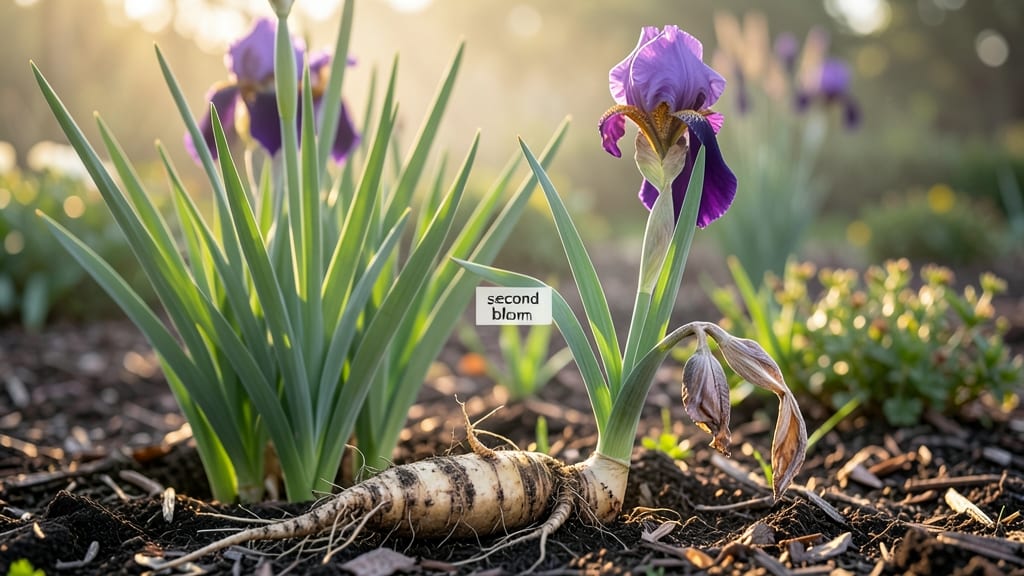
Irises bloom more than once only if they're reblooming varieties, producing two distinct flowering cycles annually—spring and late summer. These repeat bloomers require specific care, including regular division every 3-4 years and balanced fertilization, to maintain their second flush of flowers.
Not all irises have this ability—most classic varieties like bearded irises bloom just once per year. 🌸 The reblooming types, such as Siberian, Japanese, or Louisiana irises, have genetic traits that allow them to store energy efficiently between blooms.
I've found that providing consistent moisture and avoiding over-fertilizing with nitrogen (which promotes leaf growth over flowers) makes a noticeable difference in their second bloom performance.
What really sets these varieties apart is their ability to produce a second set of buds when given the right conditions. The key is to stop deadheading after the first bloom and maintain healthy soil—reblooming irises often need slightly acidic conditions (pH 6.0-7.0) to thrive.
Many gardeners I know swear by dividing their clumps every few years to prevent overcrowding, which can otherwise reduce the vigor of the second bloom.
💡 In This Article
- Reblooming Iris Varieties: Which Types Flower Twice
- Care Tips to Maximize Iris Reblooming Success
Reblooming iris varieties: which types flower twice
Not all iris varieties have the genetic capacity to rebloom, but the ones that do—like Siberian, Japanese, and Louisiana irises—share key traits that enable their second flowering cycle.
Siberian irises, for example, have a hardy constitution and thrive in cooler climates, producing delicate blooms on wiry stems that often return in late summer.
Their rhizomes store energy efficiently, allowing them to push out new buds when conditions are right. 🌸 Japanese irises, with their lush foliage and dramatic, often fragrant flowers, also rebloom reliably, though they prefer consistently moist soil to trigger their second flush.
The genetic difference lies in their growth habits. Reblooming varieties typically have shorter dormancy periods between blooms, unlike bearded irises (like the classic German or English types) which enter a prolonged rest after their single spring bloom.
Louisiana irises, another reblooming group, produce their second set of flowers on the same stems as their spring blooms, creating a stunning vertical display. These varieties often bloom in late summer when temperatures remain warm but nights begin cooling—a perfect window for their second energy push.
What sets these rebloomers apart is their ability to balance energy storage and expenditure. For instance, Siberian irises can produce 10-15 buds per rhizome during their second bloom, while bearded irises might only produce 2-3 in their single annual display.
This capacity comes from their rhizomes' ability to photosynthesize even after the first bloom, unlike bearded irises which focus energy on leaf growth post-bloom. The trade-off? Rebloomers often have slightly less dramatic single blooms but make up for it in volume and repeat performance.
If you're choosing irises for repeat blooms, consider these specific varieties: 'Siberian Sunset' for its vibrant colors, 'Japanese 'Kodokan' for its elegant form, or 'Louisiana 'St. Louis' for its heat tolerance. Each has proven reliability in reblooming when given proper care.
The key is selecting the right type for your climate—reblooming irises need consistent moisture but can't tolerate waterlogged soil, which is why well-draining soil is non-negotiable for their second bloom success.
One common misconception is that all irises can rebloom with enough care, but genetics play a dominant role. Even with perfect conditions, bearded irises will rarely produce a second bloom because their growth cycle is hardwired for a single flush.
The rebloomers, however, respond beautifully to the right triggers—like balanced fertilization and strategic pruning—which we'll explore in the next section. 💫