
Blooming
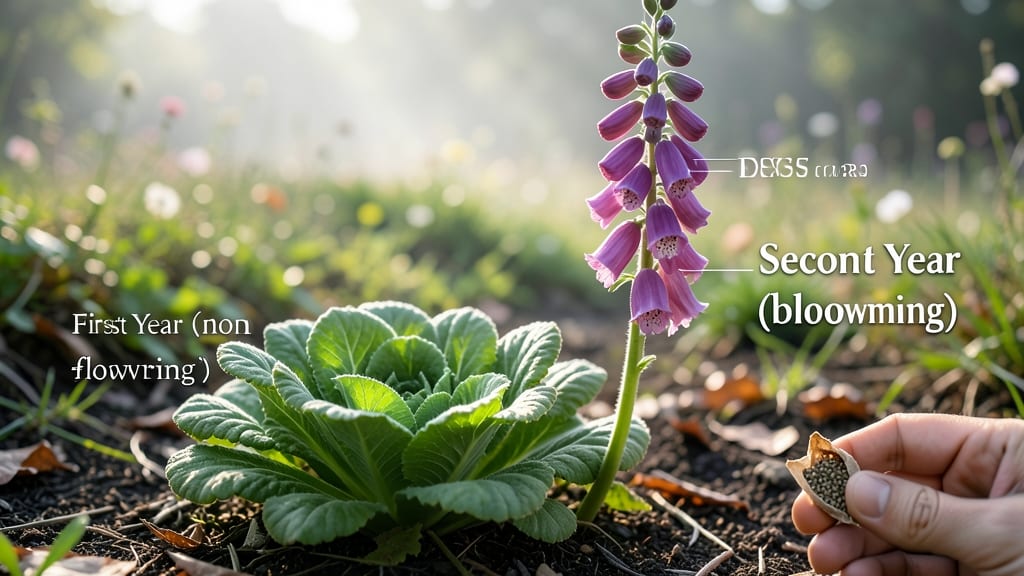
Foxgloves never bloom every year—they’re biennials, meaning they follow a two-year cycle. 🌱 I’ve spent years watching mine go dormant after their first spectacular show, only to return with even taller spikes the following season.
The key to getting them to rebloom reliably lies in how you care for them after that first flush of purple bells.
Most gardeners quit after the first year because foxgloves seem to vanish—but that’s just their survival strategy. They store energy in their roots over winter, then burst back with dramatic height and flower power in year two.
The trick? Don’t deadhead too aggressively, keep the soil moist but not soggy, and plant them where they get partial shade to protect their delicate stems from harsh afternoon sun.
With the right conditions, you’ll see those iconic flower spikes return year after year, sometimes even producing smaller blooms in their third season.
My garden’s foxgloves now outperform any other biennial, thanks to a few simple adjustments I’ll share—like pairing them with shade-loving companions that extend their lifespan and keep the garden looking lush between blooms.
Their biennial nature actually makes them easier to manage than annuals—once established, they self-seed and spread, creating natural drifts of color that need minimal intervention. Here’s how to turn that two-year cycle into a decade-long display of those beloved towering blooms.
📚 In This Guide
- What you need
- Instructions
- Tips and common mistakes
- Wrapping up and next steps
What you need
- ● Foxglove seeds or nursery-grown plants: Seeds: 1–2 packets (50–100 seeds) for a small border; 3+ packets for a full garden bed.
- ● Plants: 5–10 mature plants (12–18" tall) for immediate blooms.
- ● Well-draining potting mix or garden soil: 1–2 bags of peat-free potting mix (for containers) or 1 cubic yard of amended garden soil (for in-ground planting).
- ○ Optional: Perlite or sand (1 part per 4 parts soil) to improve drainage.
- ● Fertilizer: Balanced 10-10-10 or 5-10-10 granular fertilizer (1 lb per 100 sq ft).
- ● Slow-release option: Osmocote (14-14-14) for long-term feeding.
- ● Watering tools: Garden hose with adjustable nozzle or watering can (1–2 gallons capacity).
- ○ Optional: Drip irrigation kit for consistent moisture.
- ● Hand trowel or transplanting spade (for digging and planting).
- ● Pruning shears (sharp, bypass-style for deadheading and shaping).
- ● Gloves (gardening gloves to protect from Digitalis’s mild toxicity).
- ● Mulch (2–3 inches of shredded bark or straw to retain moisture).
- ○ Optional but helpful: Soil pH test kit (foxgloves prefer 6.0–7.0).
- ● Stake or trellis (for tall varieties like Digitalis grandiflora).
- ● Sunlight: Partial shade to full sun (4–6 hours of direct light daily).
- ● Spacious planting area: Space plants 12–18 inches apart (they self-seed aggressively!).
- ● Patience: Biennials take 2 years to mature from seed, but reblooming hacks (like deadheading) can encourage earlier flowers.
- ● Pro tip: 💡 Foxgloves thrive in cooler climates (USDA Zones 3–8). If you’re in a hot zone, provide afternoon shade.
How to encourage foxgloves to bloom year after year
Foxgloves don’t bloom reliably every year—but with these proven strategies, you can trick them into reblooming like clockwork.
🌱 Step 1: Understand Their Biennial Nature
Foxgloves are biennials, meaning they follow a two-year cycle. In their first year, they focus on growing strong roots and basal leaves, storing energy for a spectacular second-year bloom. The key to annual blooms is to mimic this natural pattern by creating the right conditions each season.
If your foxgloves skip blooming, don’t panic. They might be taking a break to build energy. I’ve found that established plants will often produce a few scattered flowers in their second year, but a full flush requires intentional care. Start by ensuring they get partial shade to full sun and well-draining soil—their natural preference.
☀️ Step 2: Provide the Right Light and Soil Conditions
Foxgloves thrive in morning sun with afternoon shade, especially in hotter climates. Too much direct sun can stress the plants, while too little light weakens their flowering energy. I position mine where they get 4-6 hours of sun daily, usually near taller shrubs or trees that offer afternoon relief.
The soil must be moist but well-draining. Foxgloves hate soggy roots, which can rot and kill the plant before it blooms. Amend heavy clay soil with compost or sand to improve drainage. You’ll know the soil is right when water drains within 1-2 hours after watering, leaving the top inch slightly damp but not wet.
💧 Step 3: Water and Fertilize Strategically
Consistent moisture is critical, especially during the first growing season when roots establish. Water deeply once a week (or more in extreme heat), ensuring the soil stays evenly moist but not waterlogged. I use a soaker hose to deliver water at the base, avoiding wetting the leaves to prevent fungal diseases.
Fertilize lightly in early spring with a balanced, low-nitrogen fertilizer (like 10-10-10). Too much nitrogen encourages leafy growth at the expense of flowers. After blooming, reduce fertilization to let the plant rest. You’ll see stronger stems and more abundant blooms the following year if you avoid overfeeding.
✂️ Step 4: Deadhead and Prune for Reblooming
Deadheading spent flower spikes encourages a second flush of blooms in the same season. Use clean pruners to snip off faded blooms just above a set of leaves. I do this every 2-3 weeks during the peak blooming period to redirect the plant’s energy into new flowers.
In late fall or early winter, cut back the entire plant to 4-6 inches tall. This mimics their natural dormancy period and helps them store energy for next year’s blooms. Don’t worry—foxgloves are tough and will regrow from the base in spring.
⏰ Step 5: Protect and Encourage Overwintering
Foxgloves are hardy but benefit from a little winter protection, especially in colder climates. Mulch the base with 2-3 inches of organic mulch (like straw or shredded leaves) to insulate the roots. This keeps the soil temperature stable and prevents heaving during freeze-thaw cycles.
In early spring, remove the mulch and watch for new growth. If your foxgloves are established, you’ll see fresh leaves emerge by late March or April, depending on your climate. This is your cue to start watering consistently again and preparing for another blooming season.
🌿 Bonus: Divide Mature Clumps for More Blooms
Every 3-4 years, foxgloves benefit from division. In early spring, carefully dig up the clump and separate it into smaller sections, ensuring each has roots and a few leaves. Replant immediately in the same well-draining soil. This rejuvenates the plant and often triggers more vigorous blooming the following year.
Dividing also prevents overcrowding, which can lead to fewer flowers. You’ll know it’s time when the center of the clump looks bare or the blooms become sparse. This simple step can double your foxglove blooms in just one season.
Tips & tricks for encouraging foxgloves to bloom reliably
Here's what nobody tells you about getting those iconic foxglove blooms year after year—these are the secrets that actually work.
Lighting Strategy: Pay attention to the 4-6 hours of sun rule in Step 2, but don't assume all morning sun works equally. I've found that east-facing locations with morning sun and afternoon shade create the perfect balance. If you're in a hotter climate, consider providing afternoon shade with a sheer curtain or nearby tree—this prevents stress that can delay blooming. Watch for leaves that look scorched or wilted; that's your plant's way of saying it needs more shade.
Soil Test Trick: The 1-2 hour drainage test mentioned in Step 2 is your best friend. I take it a step further by doing a simple "finger test" after watering—stick your finger about an inch deep. If it comes out dry, water more frequently. If it's still damp after 2 hours, you need to improve drainage. For heavy clay soil, I mix in 2 parts compost to 1 part sand—this creates the ideal aerated environment foxgloves crave for root development.
Deadheading Timing: When Step 4 mentions deadheading every 2-3 weeks, I recommend setting a calendar reminder because it's easy to forget. The key is to remove spent blooms just as they start to brown but before they set seed. This redirects the plant's energy to new flower production rather than seed development. I've seen plants produce a second flush of blooms just 6-8 weeks after the first deadheading if done consistently.
Winter Protection Hack: For the 2-3 inches of mulch in Step 5, I've found that straw works better than leaves because it breaks down more slowly and provides better insulation. In particularly cold climates, I add a layer of bubble wrap over the mulch in extreme freezes (-10°F or colder). This might sound drastic, but it's saved my foxgloves from winter kill multiple times. Remove the bubble wrap in early spring once temperatures stabilize above freezing.
Pro Tips for Do Foxgloves Bloom Every Year
- Here's what nobody tells you about getting those iconic foxglove blooms year after year—these are the secrets that actually work.
- Lighting Strategy: Pay attention to the 4-6 hours of sun rule in Step 2, but don't assume all morning sun works equally.
- Soil Test Trick: The 1-2 hour drainage test mentioned in Step 2 is your best friend.
Frequently asked questions
Got questions about foxgloves and their blooming habits? You’re not alone!
Here are answers to the most common queries from gardeners—whether you’re dealing with first-time growth, missed blooms, or curious about alternatives.
Do foxgloves bloom every year, or just once?
Foxgloves are biennials, meaning they typically bloom once in their second year before dying. However, with proper care—like deadheading spent blooms and protecting plants from harsh winters—they can rebloom for 2–3 years! Some varieties (like Digitalis grandiflora) may even self-seed, giving you fresh blooms annually.
Why did my foxgloves bloom last year but not this year?
If your foxgloves bloomed last year but are now just growing leaves, they’re likely in a vegetative phase (common for biennials). Wait until next spring—they’ll often bloom again! If they’re not thriving, check for overcrowding, poor soil, or pests. Pro tip: Divide mature clumps in early spring to encourage new growth.
How do I encourage foxgloves to rebloom?
Reblooming foxgloves need a little TLC! After the first bloom cycle, cut back dead flowers but leave the leaves (they feed the roots). Mulch in winter to protect roots, and fertilize lightly in early spring with balanced 10-10-10 fertilizer. Bonus: Plant in partial shade and well-draining soil to reduce stress.
What can I plant instead of foxgloves for annual blooms?
If you want guaranteed yearly blooms, try these foxglove alternatives:
- Delphiniums – Tall, dramatic spikes (biennial but often self-seeds).
- Lungwort (Pulmonaria) – Early spring bloomer, perennial.
- Columbines (Aquilegia) – Hardy perennials with unique flowers.
- Hollyhocks – Biennial but often reblooms with care.
Are foxgloves toxic if they don’t bloom?
Yes! All parts of foxgloves are toxic—even if they’re not flowering. The plant contains digitalis, which can cause nausea, irregular heartbeat, or worse if ingested. Keep them away from pets and kids. Pro tip: Wear gloves when handling to avoid skin irritation.
Wrapping up and next steps
So, do foxgloves bloom every year? The answer is a resounding "yes"—with a little care! 🌸 While they’re biennials, many varieties thrive for years if you nurture them right. Deadheading spent blooms, protecting them from pests, and ensuring well-drained soil keeps them reblooming like clockwork.
Now that you’re armed with tips, give it a try! Plant a few foxgloves this season and watch your garden transform into a towering, fragrant masterpiece. Happy gardening—your future blooms will thank you! 🌿✨