
Blooming
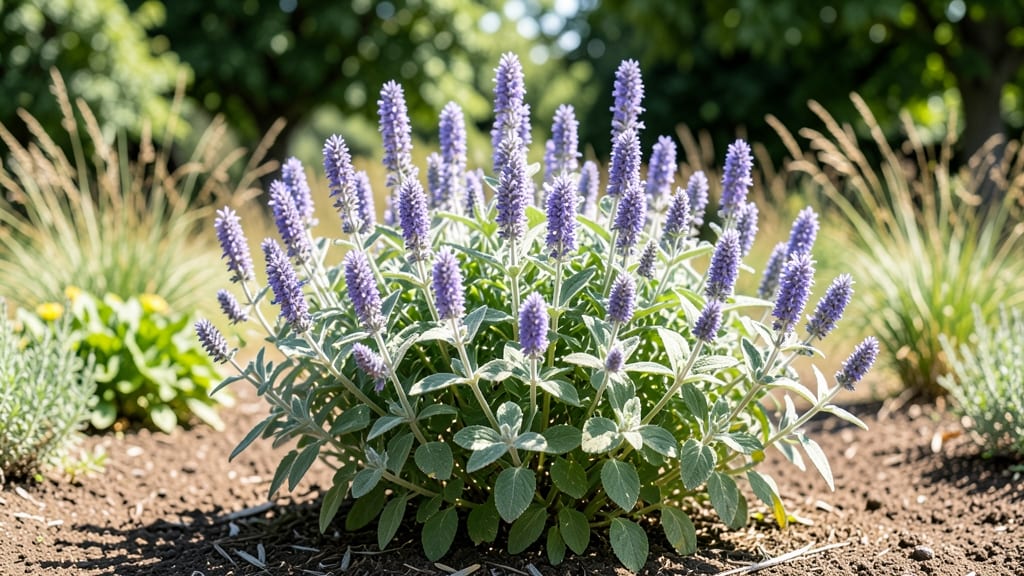
Catmint does bloom all summer with the right care, producing vibrant flowers from early summer through fall when you deadhead regularly to keep reblooming strong and prevent seed formation.
This hardy perennial thrives in heat and drought once established, making it a low-maintenance choice for long-season color. 🌿 The key is understanding its growth habit—each flowering stem produces multiple buds that continue opening as you remove spent blooms.
I’ve seen catmint gardens stay in full bloom for 10-12 weeks when pruned correctly, especially varieties like 'Walker’s Low' which are bred for extended flowering.
What many gardeners miss is that deadheading isn’t just about looks—it redirects the plant’s energy from seed production back into new flower growth. The best time to prune is in the morning when stems are dry, using clean shears to cut just above a set of leaves.
This simple technique can double your blooming season if done consistently every 2-3 weeks.
💡 In This Article
- Catmint’s Natural Reblooming Cycle Explained
- Deadheading Catmint for Longer Summer Blooms
Catmint’s natural reblooming cycle explained
Catmint’s ability to bloom continuously stems from its unique botanical structure as a semi-evergreen perennial. Unlike annuals that flower once and die, catmint produces multiple flower buds along each stem—typically 3-5 buds per stem—that open sequentially.
This staggered bloom pattern means new flowers emerge even as older ones fade, creating that signature summer-long display. The plant’s deep root system (reaching 2-3 feet deep) also stores water and nutrients, allowing it to thrive in heat and drought once established.
The real magic happens in how catmint responds to pruning. When you remove spent flowers, the plant interprets this as a signal to redirect its energy from seed production to new growth.
This is called apical dominance reversal—by cutting the main flower stem, you stimulate lateral buds to grow into new flowering branches. The plant’s natural growth cycle also includes a 6-8 week dormancy period in late summer/fall, but with proper care, you can coax it into reblooming until frost.
Heat tolerance plays a crucial role too. Catmint handles temperatures up to 95°F with ease, thanks to its silver-gray foliage that reflects sunlight and reduces water loss. This adaptation explains why it flourishes in zones 3-9 without wilting like many other perennials.
The combination of its deep roots, heat-resistant leaves, and responsive flowering stems creates the perfect conditions for that extended bloom season we all love.
What sets catmint apart from other perennials is its self-cleaning habit. Many flowering plants drop seeds automatically, but catmint holds onto its spent blooms longer—giving you that extra window to deadhead before seed formation begins.
This natural delay means you can enjoy the flowers for 2-3 weeks longer than with annuals like petunias, which often finish blooming by early fall.
For the best results, focus on varieties like 'Walker’s Low' or 'Blue Wonder,' which are specifically bred for extended flowering periods. These cultivars produce 10-12 inches of dense blooms that continue opening as long as you maintain the plant.
The key is balancing pruning with the plant’s natural rhythm—too much cutting can stress it, while too little lets it focus on seed production instead of new flowers.
Here’s what’s happening at the cellular level: When you deadhead, you’re essentially trimming auxin hormones (growth regulators) that would otherwise signal the plant to stop flowering and start seeding.
This hormonal shift triggers new buds to form at the stem nodes, creating that cascading effect of continuous blooms throughout the season.