
Blooming
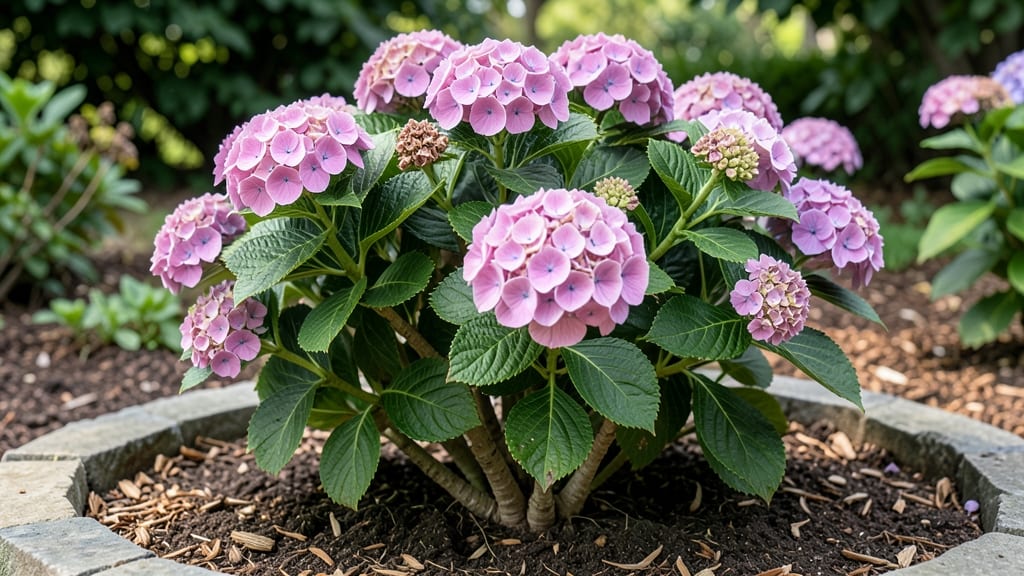
Endless Bloom hydrangeas turn my summer into a nonstop color party. 🌸 Unlike traditional varieties that bloom once and fade, these keep producing fresh flowers all season long—no complicated pruning required. The secret lies in their growth habit and how they respond to light and water.
They thrive in partial shade, where morning sun warms the leaves but afternoon shade protects the delicate blooms. My plants get about 4-6 hours of sun daily, and they reward me with pink, blue, or white flowers that last from early summer until first frost.
The soil needs to stay consistently moist but well-draining—think rich, organic compost mixed with perlite.
Pruning is where these hydrangeas shine. Instead of the harsh cuts needed for other types, you simply trim back dead stems in late winter and remove spent blooms throughout the season.
This keeps the plant focused on producing new flowers, not just leaves. Within 2-3 weeks of pruning, you’ll see fresh buds forming.
Troubleshooting is easy once you know the signs: bud drop often means too much shade, while leaf curl usually signals overwatering. My plants have stayed healthy for years with just these simple adjustments—no chemicals, no fuss. The payoff? A garden that stays vibrant long after other flowers have faded.
📚 In This Guide
- What you need
- Instructions
- Tips and common mistakes
- Wrapping up and next steps
What you need
- ● Endless Bloom Hydrangea Plants: 1–3 mature plants (depending on desired coverage; spacing: 3–5 feet apart)
- ● Choose Hydrangea macrophylla ‘Endless Summer’ or ‘Vanille Fraise’ varieties for reliable blooms.
- ● Well-Draining Soil: 50 lbs of organic compost or peat moss (amend heavy clay soil)
- ● 1–2 lbs of slow-release fertilizer (10-10-10 or hydrangea-specific blend)
- ● Mulch: 2–3 inches of shredded bark or pine straw (to retain moisture and regulate soil temp).
- ● Watering Can or Hose: With a gentle spray nozzle (hydrangeas hate soggy roots!).
- ● Hand Pruners: Sharp, bypass-pruning shears (sterilized with rubbing alcohol).
- ● Garden Gloves: Heavy-duty (for thorns and soil protection).
- ● Trowel: For digging planting holes (12–18 inches wide/deep).
- ○ Optional: Hydrangea food (acid-loving plant supplement) for extra vibrancy.
- ● Soil pH test kit (aim for 5.2–5.5 for blue blooms; 6.0+ for pink!).
- ● A sunny to partially shaded spot (4–6 hours of light daily).
- ● Pro Tip: 💡 Test your soil’s moisture—hydrangeas thrive in consistently damp (but not waterlogged) conditions.
How to grow Endless Bloom hydrangeas for season-long flowers
Here's the straightforward approach I use to keep my hydrangeas blooming all summer with almost no fuss.
🌱 Step 1: Choose the Right Location and Plant in Spring
Endless Bloom hydrangeas thrive in morning sun and afternoon shade, especially in hotter climates. I always plant mine where they get 4-6 hours of morning sunlight—this prevents the flowers from scorching in afternoon heat. Dig a hole twice as wide as the root ball but only as deep as the container it came in.
Loosen the roots gently if they're circling, then place the plant in the hole so the top of the root ball sits 1 inch below soil level. This ensures proper water drainage while keeping the plant stable. Backfill with native soil mixed with 2 inches of compost to give those roots a nutrient boost right from the start.
☀️ Step 2: Water Deeply and Mulch to Retain Moisture
After planting, water deeply until the soil is 6 inches down—you'll know it's enough when water runs out the drainage holes. Endless Bloom hydrangeas are drought-tolerant once established, but young plants need consistent moisture. I water 2-3 times per week in summer, checking that the top 2 inches of soil stay moist.
Spread 3 inches of mulch around the base, keeping it 2 inches away from the stem to prevent rot. I use shredded bark mulch because it breaks down slowly and improves soil structure over time. This mulch layer helps maintain even moisture and keeps roots cool during hot afternoons.
✂️ Step 3: Prune Only When Necessary for Shape
Here's the magic of Endless Bloom varieties—they bloom on both old and new wood, so you don't need to prune for flowers. I only prune to remove dead or crossing branches in late winter or early spring. Cut just above a leaf node at a 45-degree angle to encourage new growth.
If your plant gets too leggy, you can trim back 1/3 of the oldest stems in early spring. This encourages bushier growth and more blooms. Never prune after mid-summer—you'll risk cutting off next year's flower buds. Watch for new leaves emerging in spring; that's your cue that pruning is safe.
💧 Step 4: Feed Lightly and Monitor Soil pH
Endless Bloom hydrangeas don't need heavy feeding. I apply ½ cup of 10-10-10 fertilizer in early spring and again after the first flush of flowers. Water it in immediately to prevent root burn. The key is to avoid over-fertilizing—too much nitrogen leads to leafy growth at the expense of flowers.
For vibrant blue blooms, aim for soil pH between 5.2 and 5.5. Test your soil with a kit and amend with aluminum sulfate if needed. For pink flowers, keep pH between 6.0 and 7.0. I test mine every 2 years—hydrangeas are forgiving, but dramatic color changes happen when pH shifts.
🌿 Step 5: Deadhead and Protect in Winter
Remove spent blooms by cutting the stem back to the nearest leaf node. This keeps the plant looking tidy and encourages new flowers to form. I deadhead throughout the season, but stop by late summer to allow next year's buds to develop.
In fall, add 2-3 inches of extra mulch around the base to protect roots from freezing temperatures. Endless Bloom hydrangeas are hardy to USDA Zone 4, but young plants benefit from winter protection. I also water deeply before the first hard frost to help roots establish before dormancy.
Tips & tricks for perfect Endless Bloom hydrangeas
These simple tricks will help your hydrangeas thrive with minimal effort and maximum blooms.
Location is Everything: When selecting your planting spot in Step 1, prioritize areas with dappled shade after noon. I've found that morning sun with afternoon shade protection—like under a tree with high branches—creates the perfect balance. If your yard only has full sun, consider a white or light-colored wall nearby to reflect some heat away from the plants during peak afternoon hours.
Root Care Matters: In Step 1, when loosening circling roots, be gentle but thorough. I use my fingers to carefully separate any roots that have wrapped around the root ball—this prevents girdling as the plant grows. For container-grown plants, score the bottom of the root ball with a knife before planting to encourage outward root growth into the surrounding soil. This simple step makes a huge difference in establishing strong root systems.
Watering Wisdom: The 6-inch deep watering in Step 2 is crucial, but timing matters too. I water in the early morning so the foliage has time to dry before evening. This prevents fungal issues that can develop from prolonged moisture on leaves. During extreme heat waves, I increase to daily watering but always check that the top 2 inches of soil stay moist—this prevents stress that can cause flower buds to drop.
Pruning Precision: When trimming leggy stems in Step 3, focus on the oldest stems first. I make my cuts just above a leaf node where new growth will emerge. For a more natural look, I step back and visualize how each cut will affect the plant's shape. Remember, you can always prune more later, but you can't uncut what you've removed—so take your time with these decisions.
Pro Tips for Endless Bloom Hydrangea
- These simple tricks will help your hydrangeas thrive with minimal effort and maximum blooms.
- Location is Everything: When selecting your planting spot in Step 1, prioritize areas with dappled shade after noon.
- Root Care Matters: In Step 1, when loosening circling roots, be gentle but thorough.
Frequently asked questions
Do Endless Bloom hydrangeas really flower all season?
Unlike traditional hydrangeas, Endless Bloom varieties produce flowers on both old and new wood, meaning they’ll bloom continuously from early summer through fall—and sometimes even into winter in mild climates. Just ensure they get at least 6 hours of sunlight daily and consistent moisture for best results.
How much pruning do Endless Bloom hydrangeas actually need?
Minimal! Unlike other hydrangeas, you can prune Endless Bloom plants anytime (even in winter). Trim back 1/3 of the oldest stems in late winter or early spring to encourage fresh growth. For shaping, cut just above a leaf node—no need for complex techniques! Pro tip: Deadhead faded blooms to redirect energy to new flowers.
Why are my Endless Bloom hydrangeas’ leaves turning yellow?
Yellow leaves usually signal overwatering or poor drainage. Check if the soil feels soggy—hydrangeas prefer moist but well-draining soil. If your pot lacks drainage holes, repot it. Yellowing on older leaves? That’s normal aging, but bright yellow with brown edges often means too much salt or fertilizer. Flush the soil with water and adjust care.
Can I grow Endless Bloom hydrangeas in full sun?
Yes! These varieties are more sun-tolerant than traditional hydrangeas, but afternoon shade in hot climates (Zones 7+) prevents leaf scorch. In cooler areas (Zones 3–6), they thrive in full sun to partial shade. Watch for color shifts: Blue flowers need acidic soil (pH 5.5–6.0), while pink blooms prefer neutral soil (pH 6.0–7.0).
What’s a good alternative if I want fewer blooms but bigger flowers?
If you prefer showstopping, larger blooms (even if they’re seasonal), try mophead or lacecap hydrangeas. These bloom on old wood only, so prune right after flowering to avoid cutting off next year’s buds. For a low-maintenance middle ground, consider ‘Little Lime’ or ‘Vanille Fraise’—they’re Endless Bloom cousins with slightly bigger clusters.
When should I fertilize Endless Bloom hydrangeas for best blooms?
Feed them twice a year: Once in early spring (as new growth starts) with a balanced fertilizer (10-10-10), and again in mid-summer (June–July) with a low-phosphorus option (e.g., 12-4-8) to boost blooms. Skip fall feeding—it encourages tender growth that won’t survive winter.
Wrapping up and next steps
Transforming your garden into a year-round canvas of color with Endless Bloom Hydrangeas is easier—and more rewarding—than you think! These low-maintenance beauties thrive with minimal pruning, adapt to various climates, and reward you with continuous blooms that turn heads.
Whether you’re a seasoned gardener or just starting, their resilience and versatility make them the perfect addition to any outdoor space.
Ready to bring effortless elegance to your landscape? Start by selecting your favorite variety, gathering the right tools, and giving your hydrangeas the love they deserve—one bloom at a time. 🌸