
Blooming
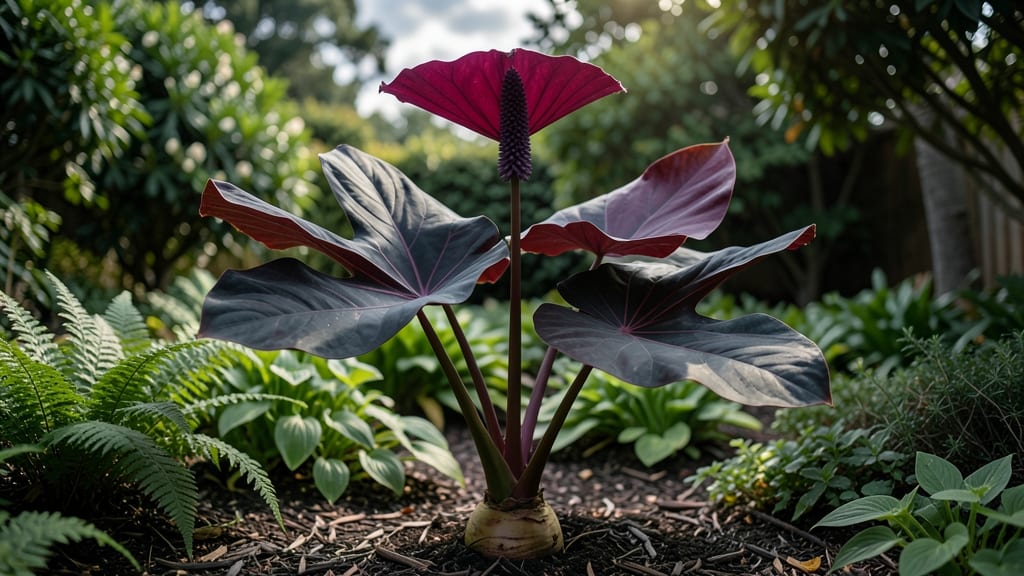
Elephant ears do bloom flowers in late summer to early fall, producing large, showy spathes with spadices that resemble calla lilies or peace lilies, though they’re not true flowers. Blooms appear once per season on mature plants, lasting 2-3 weeks if conditions are ideal.
Elephant ears (Colocasia spp.) are often grown for their striking foliage, but their dramatic blooms steal the show when they appear. 🌸 These unique flowers emerge from large, hooded structures called spathes, which surround a central spadix.
The blooming cycle is closely tied to the plant's maturity—most won't produce flowers until they're at least 3 years old, and even then, factors like sunlight exposure and soil nutrients play a crucial role in triggering this seasonal display.
What makes these blooms special is their fleeting nature—once the flowers fade, the plant redirects its energy to storing nutrients in its rhizomes for next year's growth.
This means timing matters if you want to enjoy them: in warmer climates, blooms may appear as early as July, while cooler regions often see them in September or October. The good news? With proper care, you can encourage more reliable flowering each year.
💡 In This Article
- Elephant Ear Flowering Process: Stages and Timing
- Maximizing Elephant Ear Blooms: Care Tips for Flowering Success
Elephant ear flowering process: stages and timing
Elephant ears (Colocasia spp.) undergo a fascinating multi-stage blooming process that starts underground. The journey begins in early summer when the plant's rhizomes—thick, starchy roots—begin producing flower buds in response to increasing daylight and warmth.
These buds develop just beneath the soil surface, requiring consistent moisture and 60-70°F soil temperatures to thrive. What's unique is that the buds don't emerge until late summer, when the plant has stored enough energy to support the dramatic above-ground display.
The first visible sign is the emergence of a hooded spathe that unfurls like a giant hand fan, revealing the central spadix covered in tiny flowers. This spadix can grow 6-12 inches tall and resembles a calla lily's spike, though it's not a true flower but rather a specialized inflorescence.
The spathe itself often develops vibrant colors—ranging from pale green to deep pink—while the spadix remains cream-colored or pale yellow. The entire structure can reach 12-18 inches in height, making it a stunning focal point in gardens.
Climate plays a crucial role in timing, with humidity being the most critical factor. Elephant ears originate from tropical regions where 60-80% humidity triggers flowering. In dry climates, you may need to mist the plants daily or place them in containers with pebbles and water to maintain moisture levels.
Temperature also matters: while they tolerate heat, consistent daytime temps above 85°F can cause buds to abort. The blooming window typically lasts 2-3 weeks per flower stalk, but some varieties may produce secondary blooms if conditions remain ideal.
Mature plants (3+ years old) bloom more reliably because they've established stronger rhizome systems that store sufficient nutrients. Younger plants often produce foliage but divert energy toward root growth rather than flowering.
This is why gardeners are advised to plant elephant ears in permanent locations—they reward patience with more dramatic displays each subsequent year. The plant's life cycle is particularly interesting because it prioritizes energy storage over immediate reproduction, ensuring it can survive winter dormancy.
What most people don't realize is that the flowering process actually weakens the plant temporarily. As the spathe and spadix develop, the plant draws heavily from its rhizome reserves, which can result in reduced foliage vigor for the remainder of the season.
This is why professional growers often remove spent blooms promptly to redirect the plant's energy back toward leaf production. The trade-off is worth it, though—those brief weeks of bloom are spectacular and well worth the temporary foliage slowdown.
Consider this botanical timeline for optimal viewing: Bud formation begins in June, spathes emerge in late July to August, and the full bloom display peaks in September. In cooler climates, this timeline may shift by 2-4 weeks later, so local weather patterns should guide your expectations.
The key to enjoying these blooms is understanding that they're a fleeting but spectacular reward for proper care throughout the growing season.