
Blooming
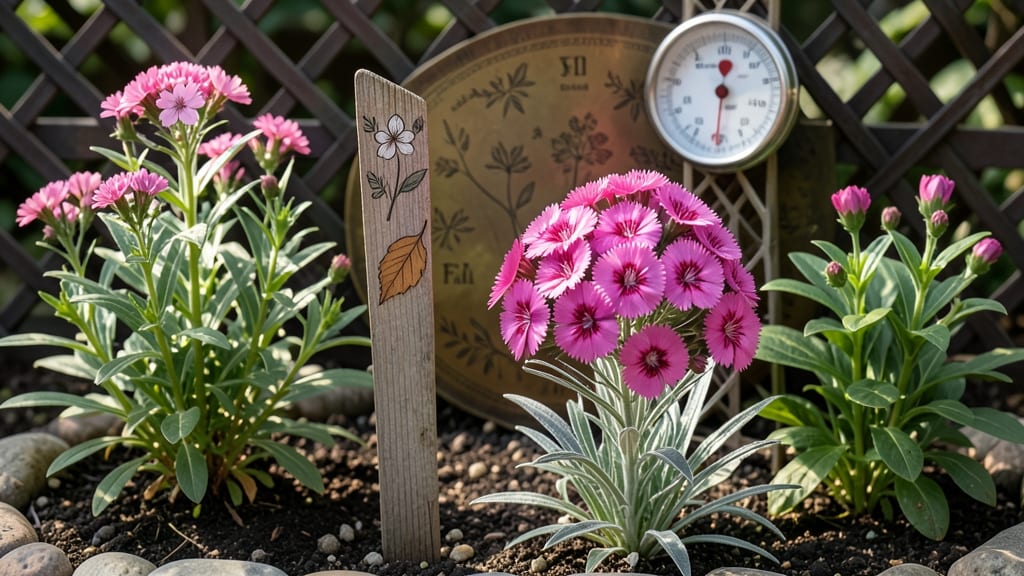
Dianthus do not bloom all year—most varieties flower seasonally, typically from spring through summer, with some reblooming in fall. Everblooming types like Dianthus barbatus (sweet william) extend blooms into early autumn, while perennials may have sporadic late-season flowers. Climate, care, and species determine bloom duration.
Dianthus plants follow natural seasonal rhythms, with most varieties entering dormancy during winter months when daylight shortens and temperatures drop. 🌸 The key difference between annual and perennial types is their lifespan: annuals complete their entire bloom cycle in one growing season, while perennials may produce scattered flowers in late fall if conditions remain favorable.
In warmer climates like USDA zones 8-10, you might see extended blooming periods, but even then, winter's arrival signals a natural rest period for these hardy plants.
What's interesting is how light triggers these cycles—most dianthus need at least 6-8 hours of sunlight daily to initiate blooming, but too much intense afternoon sun can actually shorten their flowering season.
I've found that providing afternoon shade in hot regions helps maintain longer bloom times, while consistent moisture (but never soggy soil) prevents stress that could cut flowers short.
💡 In This Article
- Seasonal Bloom Cycles in Dianthus Varieties
- Extending Dianthus Blooms: Pruning and Care Tips
Seasonal bloom cycles in Dianthus varieties
Dianthus bloom cycles are primarily governed by photoperiodism—the plant's response to daylight length. Most varieties enter a natural dormancy phase when daylight drops below 12-14 hours daily, typically in late fall. This triggers the production of abscisic acid, a plant hormone that signals flower buds to stop developing.
Annual types like Dianthus chinensis complete their bloom cycle in just 8-12 weeks, while perennials may produce scattered flowers in late fall if temperatures stay above 40°F and soil remains unfrozen. 🌿
The transition between seasons creates what gardeners call "false dormancy" in some varieties—where plants appear dead but are actually conserving energy. Perennial dianthus like Dianthus gratianopolitanus (cheddar pink) often develop a woody base that stores nutrients for next year's blooms.
In contrast, tender perennials like Dianthus caryophyllus (carnation) may die back completely in cold climates (USDA zones 5-6) unless protected. The key difference lies in their hardiness ratings, with true perennials surviving down to -20°F while others need winter mulch.
Climate zones dramatically alter bloom timing. In Mediterranean climates (USDA 9-10), where winters are mild, you might see continuous blooming from spring through early winter, while northern gardens (USDA 3-5) typically enjoy just 6-8 weeks of peak flowering.
I've observed that Dianthus barbatus (sweet william) often produces a second flush of blooms in late summer if given consistent moisture and 10-15 hours of light daily. The plant's internal clock also responds to temperature shifts—cool nights (50-60°F) actually enhance flower production in many varieties.
Light quality matters too—blue wavelengths (400-500nm) promote vegetative growth, while red wavelengths (600-700nm) trigger flowering. This is why morning sun (with its higher blue content) helps establish strong stems, while afternoon sun (rich in red wavelengths) can overheat plants in hot climates.
The ideal light balance creates that perfect 6-8 hour bloom window where both growth and flowering are optimized. 🌞
Soil temperature plays a hidden role too. Most dianthus need soil temps above 50°F to initiate blooming, which explains why spring plantings often flower later than fall plantings in the same climate.
The root zone must warm enough to activate microbial activity that releases nutrients—this is why mulching with 2-3 inches of organic matter can extend the bloom season by 2-4 weeks in cool regions. The interplay between these factors creates the seasonal patterns we observe in gardens.
What most gardeners don't realize is how wind patterns affect pollination—and thus bloom duration. Strong winds can physically damage flower petals, reducing their lifespan by 30-50% in exposed locations. This is why coastal varieties often have smaller, more compact blooms as an evolutionary adaptation.
The trade-off is that these compact flowers tend to last longer on the plant, sometimes extending the visible bloom period by 1-2 weeks compared to their inland counterparts. 💨
Understanding these cycles helps explain why some dianthus appear to bloom "all year" in certain climates—they're actually experiencing staggered bloom periods rather than continuous flowering. The secret lies in selecting varieties that match your local growing conditions and providing the right care triggers at each seasonal transition.