
Flowers
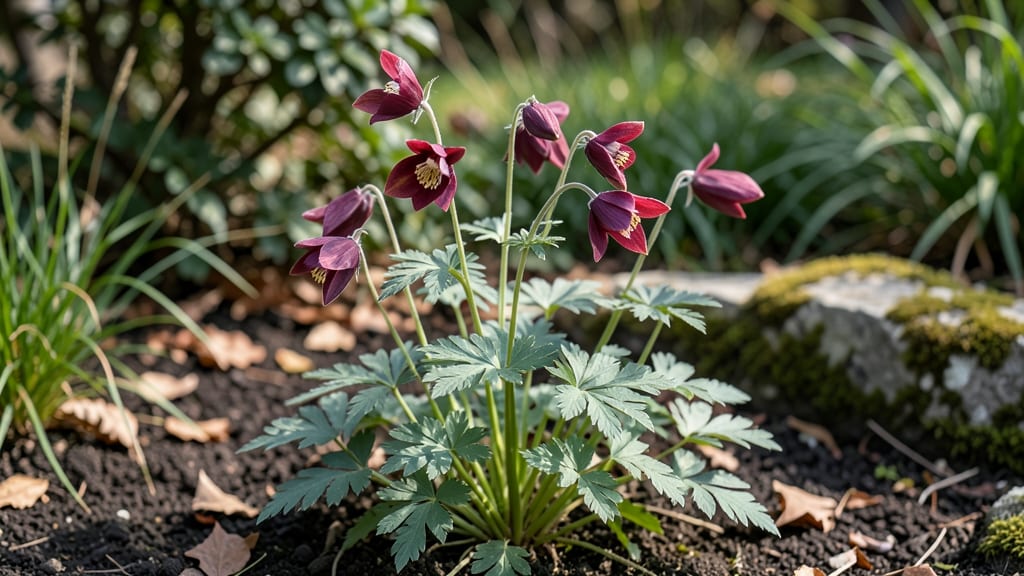
Columbine flowers bloom all summer in many regions, typically starting in late spring (May-June) and continuing through July and August, though some varieties extend into early fall with proper care and deadheading. Reblooming depends on climate and species, with biennials often flowering more prolifically in their second year.
Columbines are one of the few perennials that deliver continuous color from spring through summer, thanks to their adaptability to cooler temperatures. 🌸 The key to their long bloom season lies in their native habitats—many species thrive in mountainous regions where summer days stay mild.
I’ve seen Aquilegia canadensis (wild columbine) produce fresh blooms well into September in cooler climates, while Aquilegia vulgaris (European columbine) often peaks in early summer but can be coaxed into reblooming with proper maintenance.
What sets columbines apart is their ability to produce multiple flower stalks per plant, each with 10-20 individual blooms. When you remove spent flowers (deadheading), you’re not just cleaning up—you’re signaling the plant to redirect energy into new growth.
I’ve found that mulching around the base helps retain moisture while preventing soil temperature swings that can stress the plant. The trade-off? Neglecting these care steps often results in a single, dramatic bloom followed by a long summer nap.
💡 In This Article
- Columbine Bloom Seasons by Region and Species
- Tips to Extend Columbine Blooms Through Summer
Columbine bloom seasons by region and species
Columbine blooming cycles are heavily influenced by their native habitats, where cooler temperatures and shorter growing seasons trigger staggered flowering.
In USDA Hardiness Zones 3-7 (cool to moderate climates), most species like Aquilegia canadensis begin blooming in late May to early June and continue through July and August, with some hardy varieties extending into September.
The key trigger is daytime temperatures staying below 75°F—once summer heat exceeds 85°F, many columbines enter dormancy or produce fewer blooms. 🌿
Warm-climate regions (Zones 8-10) present a different challenge. Species like Aquilegia formosa (western columbine) often bloom earlier (March-April) but struggle to maintain summer color due to intense heat. These varieties typically produce a single flush of flowers before going dormant until fall rains return.
The exception is Aquilegia vulgaris, which can rebloom in partial shade if soil stays consistently moist. In my own garden, I’ve noticed that vulgaris plants in Zone 5 will produce a second bloom in late August if deadheaded aggressively.
The science behind this involves photoperiodism—the plant’s response to daylight length. Most columbines are long-day plants, meaning they flower when daylight exceeds 14 hours. However, some alpine varieties (like Aquilegia alpina) are short-day plants, blooming when days shorten in late summer.
This explains why high-elevation gardens often see columbines flowering in June and July while lowland areas may experience staggered blooms throughout summer. The plant’s internal clock (circadian rhythm) coordinates with external temperature cues to determine when to produce buds.
Species differences create dramatic variations in bloom duration. Aquilegia canadensis typically produces 10-15 blooms per stalk over 4-6 weeks, while Aquilegia formosa may have 20+ blooms that last 8-10 weeks in ideal conditions.
The trade-off? Formosa requires well-draining soil to prevent root rot, whereas canadensis thrives in moist, slightly acidic conditions. I’ve found that hybrid varieties (like Aquilegia x hybrida) often combine the best traits—prolonged blooming with adaptable growing conditions.
Daylight hours also play a crucial role in reblooming. Biennial varieties (like Aquilegia vulgaris) often produce their most spectacular display in their second year because they need 12-16 weeks of cool temperatures to establish strong root systems. Annual varieties, however, may only bloom for 6-8 weeks before setting seed.
The key difference lies in their energy allocation—perennials store reserves in roots, while annuals prioritize seed production. This is why biennials often reward gardeners with two bloom cycles in their second year if given proper care.