
Blooming
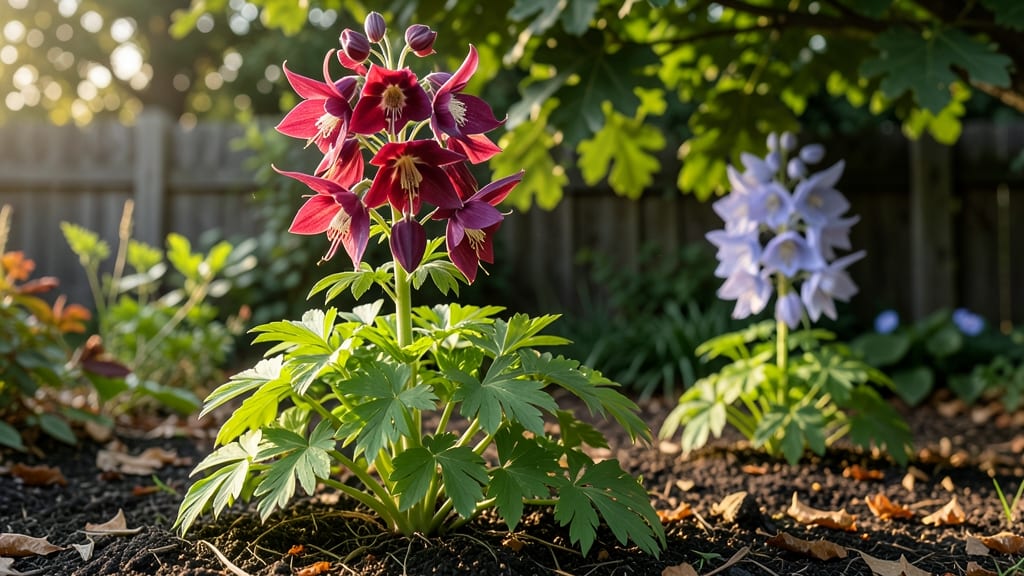
Columbines do not bloom all summer—most varieties flower in spring and early summer, with some reblooming in fall, depending on climate and care. Cool-season types thrive in spring, while heat-tolerant hybrids may extend blooms into late summer.
Columbines are seasonal showstoppers, not year-round performers.
Their blooming cycles are tightly linked to temperature shifts—most varieties peak in spring when days lengthen and cool nights trigger flower production. 🌸 What's fascinating is how regional climates influence these patterns: Northern gardeners might see a brief late-summer revival, while Southern growers could enjoy extended flowering in mild winters.
The key to longer displays lies in choosing heat-tolerant cultivars like 'McKana's Giant' or 'Songbird Series,' which handle summer heat better than traditional types.
For gardeners eager to stretch the season, strategic care makes a difference. Deadheading spent blooms redirects energy to new flowers, while consistent moisture and well-draining soil prevent stress that shortens bloom time. I've found that partial shade in hot climates preserves flower quality longer than full sun exposure.
The trade-off? Even with perfect care, columbines will take a summer break—they're built for seasonal drama, not continuous color.
💡 In This Article
- Columbine Blooming Seasons by Variety and Climate
- Extending Columbine Blooms: Pruning and Care Tips
Columbine blooming seasons by variety and climate
Columbine blooming patterns are primarily governed by temperature and daylight—what scientists call photoperiodism. Most native species like Aquilegia canadensis (red columbine) and Aquilegia vulgaris (European columbine) follow a strict spring cycle, triggered when daytime temperatures rise above 50°F but nights remain cool (45-60°F).
This vernalization process (cold treatment) prepares the plant's buds to open, creating that iconic spring display. In contrast, heat-tolerant hybrids like 'McKana's Giant' can handle 75-85°F days and may rebloom in fall when temperatures dip again.
The daylength also plays a critical role. Columbines are long-day plants, meaning they need 14+ hours of daylight to initiate flowering.
This explains why northern climates (like Zone 5-6) see peak blooms in May-June, while southern regions (like Zone 8-9) might experience staggered flowering in late winter through early summer. The trade-off?
Southern columbines often enter dormancy by July-August due to heat stress, whereas northern plants may revive briefly in late summer if rainfall is adequate.
Climate zones create dramatic differences in bloom duration. In Pacific Northwest gardens, cool summers allow some varieties to produce a second flush in September-October. Meanwhile, in Midwest regions, the July heatwave typically signals the end of blooming until fall rains return.
The exception? High-altitude gardens (above 5,000 feet) often enjoy extended seasons because cooler temperatures mimic spring conditions later in the year.
Here's how to match varieties to your climate for optimal blooms:
- Cool climates (Zones 3-6): Native species like Aquilegia flavescens (yellow columbine) thrive with 6-8 weeks of spring blooms and may rebloom in fall
- Moderate climates (Zones 7-8): Hybrids like 'Nancy' or 'Jewel Box' offer 4-6 weeks of summer color with proper afternoon shade
- Hot climates (Zones 9-10): 'Songbird Series' tolerates 90°F+ with 3-4 weeks of blooms if kept consistently moist
The science behind this involves florigen—a protein hormone that signals flower formation. When temperatures exceed 80°F for prolonged periods, florigen production halts, forcing columbines into dormancy. This is why even well-cared-for plants in Zone 9+ rarely bloom beyond June-July without artificial shade.
What most gardeners don't realize is that soil temperature matters as much as air temperature. Columbine roots prefer 55-65°F soil—any hotter, and the plant conserves energy by stopping flower production. This explains why mulching with 3-4 inches of organic matter can extend blooming by 2-3 weeks in hot regions.