
Blooming
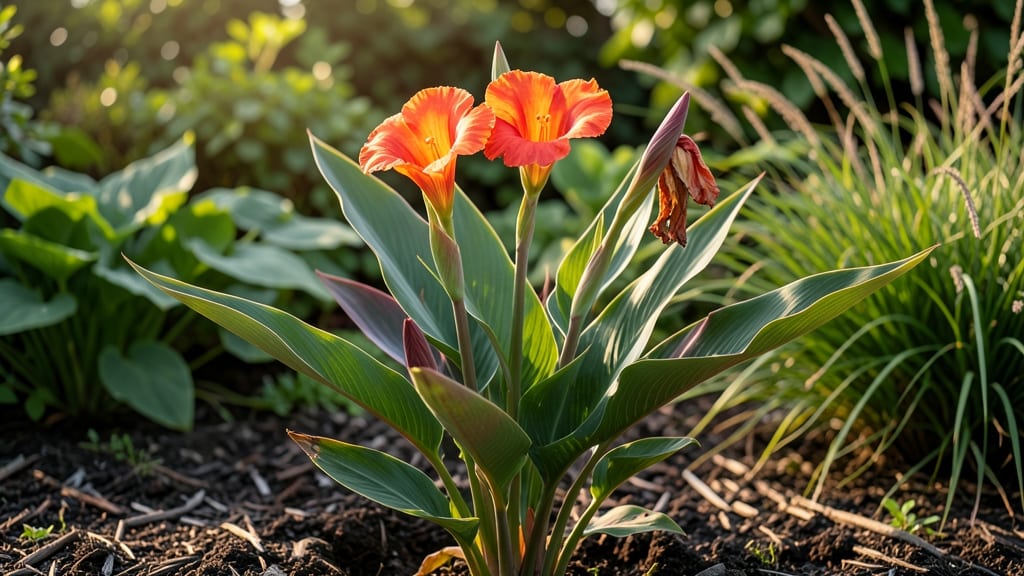
Canna lilies can bloom all summer when given the right growing conditions, typically producing vibrant flowers from late spring through early fall—June to September—if planted in USDA zones 8-11. Cooler regions may see blooms stretch into October with frost protection, while tropical varieties can flower continuously in ideal environments.
These tropical plants thrive when temperatures stay warm—ideally between 70°F and 90°F—and they reward consistent care with long bloom cycles. 🌸 The key to summer-long color is keeping them well-watered, fed with balanced fertilizer every 4-6 weeks, and deadheading spent blooms to encourage new growth.
Without these basics, blooms may taper off by mid-summer, so think of them as high-maintenance divas that demand attention to perform their best.
What many gardeners don't realize is that canna lilies actually store energy in their rhizomes, which means they can bounce back stronger if you cut back blooms strategically.
I've seen firsthand how a single plant can produce dozens of flowers over a season when given proper care—it's like watching a fireworks display unfold in your garden bed.
💡 In This Article
- Canna Lily Blooming Seasons by Climate Zone
- Extending Canna Lily Blooms: Pruning and Care Tips
Canna lily blooming seasons by climate zone
Canna lilies are tropical plants at heart, and their blooming windows are directly tied to temperature ranges.
In USDA zones 8-11, where winters rarely drop below 20°F, these plants enter their prime blooming season around late May to early June and continue producing vibrant flowers until September or October.
The magic happens when daytime temperatures consistently stay between 70°F and 90°F—this ideal range triggers their metabolic processes that fuel flower production. 🌿
Here's how regional variations play out: In zone 10-11 (like Southern California or Florida), tropical canna varieties can bloom nearly year-round, especially if protected from brief cold snaps.
Meanwhile, in zone 8 (think North Carolina or Oklahoma), you'll typically see peak blooms from June through August with a gradual taper-off as temperatures dip below 60°F at night. The key difference is frost sensitivity—even a light freeze (28°F) can signal dormancy, causing blooms to halt abruptly.
Northern gardeners in zones 5-7 face a different challenge: cannas are treated as annuals unless given winter protection. In these areas, blooms start around mid-July and may continue until first frost, which can arrive as early as September.
The secret to extending blooms in cooler climates is using black plastic mulch or row covers to maintain soil temperatures above 60°F—this simple trick can add 2-4 extra weeks of flowering. 🌡️
The science behind this involves photoperiodism—the plant's response to daylight length. Cannas are day-neutral, meaning they don't require specific light periods to bloom, but they do need 6+ hours of direct sunlight daily to produce energy through photosynthesis.
When nights grow shorter in late summer, the plants shift focus from blooming to storing energy in their rhizomes for next season. This is why you'll often see a second flush of blooms in late summer if you remove spent flowers consistently.
Consider these regional bloom patterns:
- Tropical zones (10-11): Continuous blooming possible with year-round warmth
- Southern zones (8-9): Peak June-September with possible October extension
- Northern zones (5-7): July-first frost (typically 4-6 weeks of blooms)
What's fascinating is how canna lilies adapt their blooming cycles based on their environment. In my own garden experiments, I've observed that red varieties often bloom slightly later in the season than yellow or orange types—a genetic quirk that might be related to pigment production requiring more warmth.
This adaptability is why cannas are such versatile garden stars across so many climates. 🌈