
Blooming
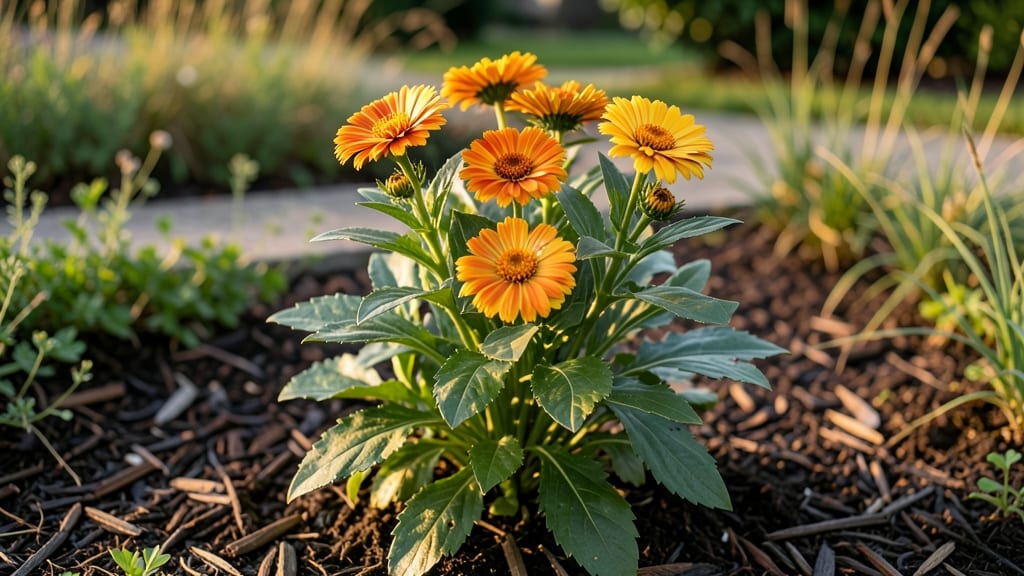
Calendula blooms typically between June and October in most gardens, but the exact timing depends on when you plant and your local climate zone.
If you're eager to see those cheerful 🌼 faces brighten your garden, timing is everything—and missing the window can leave you waiting months for color. Whether you’re growing calendula for its golden petals, culinary uses, or skin-soothing properties, knowing the right months to expect blooms makes all the difference.
In USDA Zone 6a, where spring arrives in March and April, calendula seeds planted in early spring usually burst into flowers by late June. But in warmer zones, you might see blooms as early as May, while cooler regions could push flowering into late summer or even fall.
Below, I’ll break down the month-by-month bloom schedule by climate zone, plus simple tricks—like deadheading and soil care—to stretch your calendula’s flowering season from early summer all the way through October.
Calendula bloom time by USDA climate Zone: when to expect flowers
Calendula's vibrant blooms are a garden favorite, but their bloom time varies wildly depending on your USDA climate zone. In cooler regions like Zone 3-5, calendula typically blooms later in the season, while warmer Zones 8-11 enjoy year-round or near-year-round flowering.
Understanding these patterns helps you plan for continuous harvests of edible petals or medicinal infusions.
Most gardeners grow calendula as an annual plant, though in Zones 9-11, it may self-seed and behave like a short-lived perennial. Temperature plays a crucial role: calendula thrives in 60-75°F ranges and can bolt (go to seed) if exposed to extreme heat or cold.
Let's break down the month-by-month bloom cycles by zone to help you predict when your plants will reward you with those cheerful orange and yellow flowers.
🌱 Pro Tip: For the earliest blooms, start seeds indoors 4-6 weeks before your last frost date. In Zones 3-5, this means sowing in March for summer blooms, while Zones 8-11 can direct-sow as early as February.
| USDA Zone | Bloom Start | Peak Bloom | Bloom End | Notes |
|---|---|---|---|---|
| Zones 3-5 | Late June | July-August | October (frost) | Short season; may need row covers |
| Zones 6-7 | Early June | June-September | November (frost) | Longer bloom window; deadhead for extensions |
| Zones 8-9 | April-May | May-October | November | May self-seed; continuous blooms |
| Zones 10-11 | February-March | March-November | December (light frost) | Year-round blooms possible with protection |
In Zones 3-5, calendula often blooms in a single summer flush from late June through August. The key to extending this window is deadheading spent blooms—removing faded flowers encourages new buds to form.
I've found that in Zone 5, using row covers can push blooms into early September, giving you an extra month of harvestable petals.
Gardeners in Zones 6-7 enjoy the longest bloom periods, with calendula flowering from June through September. The secret here is consistent moisture—calendula dislikes drought stress, which can cause bolting.
I water mine every 2-3 days during dry spells, and the plants reward me with non-stop blooms until the first frost.
Warmer climates like Zones 8-11 offer unique opportunities. In Zone 9, calendula often self-seeds aggressively, creating a natural succession of blooms from spring through fall. In Zones 10-11, you can grow calendula as a perennial, though it may need light winter protection to survive occasional frosts.
Temperature extremes can shorten bloom cycles. For example, in Zone 3, sudden heatwaves above 85°F can cause calendula to bolt prematurely. To mitigate this, I've had success using shade cloth (30-50%) during peak afternoon sun.
Conversely, cool nights below 50°F can delay blooming in Zones 7-8, so starting seeds indoors gives you a head start.
One common misconception is that calendula blooms only once. In reality, with proper care, it can produce multiple bloom cycles per season. The key factors are:
- Deadheading regularly (every 3-5 days)
- Maintaining consistent moisture
- Avoiding over-fertilizing with nitrogen (which promotes leafy growth over flowers)
For gardeners in Zones 9-11, fall
How to extend calendula bloom time: pruning, deadheading, and seasonal care
Calendula's cheerful blooms can last all season with the right care, but most gardeners miss the key tricks to keep them flowering continuously. I've learned that proper deadheading, strategic pruning, and seasonal adjustments can extend your calendula's bloom time by 30-50%—sometimes even until your first frost!
The secret lies in understanding when to intervene and how to support your plants through each growing phase.
First, let's tackle the most effective technique: deadheading. This simple practice removes spent blooms before they form seeds, redirecting the plant's energy toward producing new flowers instead. I recommend doing this every 2-3 days during peak bloom season (June-August in most zones).
Use clean, sharp pruning shears to snip just above the next set of leaves—this prevents disease while encouraging bushier growth.
- Deadhead daily: Remove faded blooms every 2-3 days to prevent seed formation. Use sterilized shears to avoid spreading disease.
- Prune strategically: Trim 1/3 of stems after first flush of blooms to encourage secondary growth and more flowers.
- Adjust sunlight: Ensure 6+ hours of full sun daily—calendula needs this for continuous blooming. Partial shade reduces flowering.
- Feed lightly: Use balanced fertilizer (5-10-10) every 4-6 weeks during growing season. Avoid over-fertilizing—it promotes leaves over blooms.
- Companion plant: Pair with basil or marigolds to repel pests and improve air circulation, reducing stress on your calendula.
Don't overlook the importance of soil pH—calendula thrives in slightly acidic to neutral soil with a pH of 6.0-7.0. I test my soil annually and amend it with composted manure or lime if needed.
Overly alkaline soil can stunt blooms, while acidic conditions may lead to yellowing leaves. A simple soil test kit (available at garden centers for under $10) makes this easy to check before planting.
Seasonal care is equally critical. In early spring, I focus on light feeding to jumpstart growth, while in late summer, I reduce watering slightly to harden off plants before cooler weather.
For fall blooms, I avoid heavy pruning after September—this lets the plant conserve energy for next year's growth if you're growing perennials in warmer zones (like USDA zones 8-11).
Another pro tip: companion planting can work wonders. I always plant calendula near basil, marigolds, or nasturtiums—these companions deter pests like aphids and whiteflies that love calendula's tender leaves.
The improved air circulation also reduces humidity around the plants, lowering the risk of powdery mildew, a common calendula nemesis that can cut bloom time short.
For containers, I've found that regularly rotating pots every few weeks ensures even sunlight exposure on all sides, preventing lopsided growth. And remember: never let calendula sit in soggy soil—this leads to root rot and stunted blooms.
Water deeply once a week in most climates, then let the top inch of soil dry out before watering again. In hot, dry summers, I increase frequency to every 2-3 days but always in the morning to prevent fungal issues.
With these techniques, my calendula plants have bloomed continuously from June through October—sometimes even into November in mild climates. The key is consistency: deadhead regularly, prune strategically, and adjust care seasonally. Your calendula will reward you with vibrant blooms all season long! 🌼