
Blooming
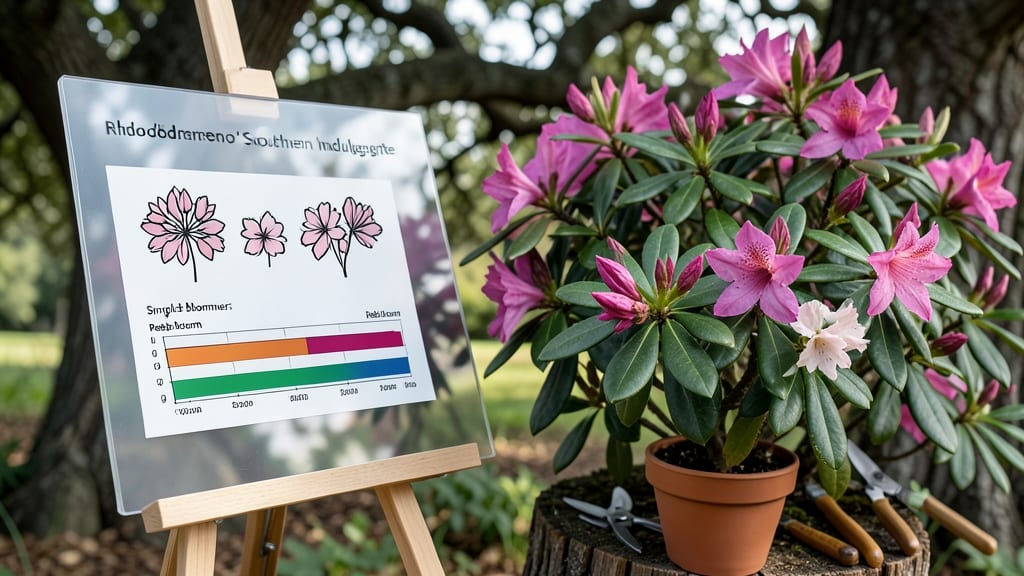
Azaleas bloom more than once only if they’re reblooming varieties like ‘Encore’ or ‘Southern Indica,’ which produce two flushes of flowers per season. Most azaleas bloom just once annually, typically in spring, unless pruned and cared for properly.
Not all azaleas are created equal when it comes to flowering cycles. 🌸 The key difference lies in their genetic makeup—reblooming varieties have been selectively bred to produce flowers twice a year, while traditional azaleas follow nature's seasonal cues.
This means if you're growing a standard azalea, you'll likely see just one spectacular spring display unless you take specific steps to encourage reblooming.
What sets reblooming azaleas apart is their ability to respond to consistent care throughout the year. These varieties need proper pruning after their first bloom to stimulate new growth, along with regular feeding to maintain energy levels.
Without these practices, even reblooming types may revert to single-season flowering. The timing of fertilizing—especially in late summer—can make all the difference in coaxing that second flush of blooms.
💡 In This Article
- Why Most Azaleas Bloom Only Once a Year
- How to Encourage Reblooming in Azaleas
Why most azaleas bloom only once a year
Most azaleas follow a strict seasonal rhythm tied to their natural dormancy cycle. These plants rely on chilling hours—typically 400-600 hours below 45°F—to trigger spring blooming. This cold exposure resets their biological clock, signaling it's time to produce flower buds.
Once they bloom in spring, their energy shifts to foliage growth, leaving little reserve for another flowering cycle. 🌸
The process involves complex hormonal changes. After blooming, azaleas produce auxin, a growth hormone that promotes leaf and stem development but suppresses flower bud formation. This hormonal shift explains why most varieties focus all their energy on one spectacular spring display rather than spreading it thin across multiple seasons.
Even if you prune or fertilize, these natural biological constraints often prevent reblooming.
Light exposure plays a crucial role too. Azaleas need partial shade (about 4-6 hours of morning sun) to thrive. Too much direct sunlight can stress the plant, while too little may prevent proper energy storage in the roots.
This balance is delicate—reblooming varieties can handle slightly more light, but standard azaleas often struggle to recover enough energy for a second bloom cycle.
Temperature fluctuations also matter. Azaleas bloom when daytime temperatures reach 60-70°F consistently, but they need cooler nights (50-55°F) to maintain flower production. If summer temperatures stay too warm, the plant may enter a heat-induced dormancy, halting any potential second bloom.
This is why most azaleas in hot climates bloom just once—their natural systems can't handle the prolonged warmth.
Consider the example of Rhododendron canescens, a common single-blooming variety. After its spring display, it focuses entirely on root and leaf growth, storing energy for next year's bloom rather than attempting a second flush.
This survival strategy has evolved over centuries, making it difficult to override through basic gardening practices alone. 🌿
What makes reblooming varieties special is their genetic adaptation to produce flowers twice annually. These plants have been selectively bred to maintain lower auxin levels after the first bloom, allowing them to respond to proper care with a second flowering cycle.
Without this genetic trait, most azaleas simply follow their natural seasonal programming.