
Blooming
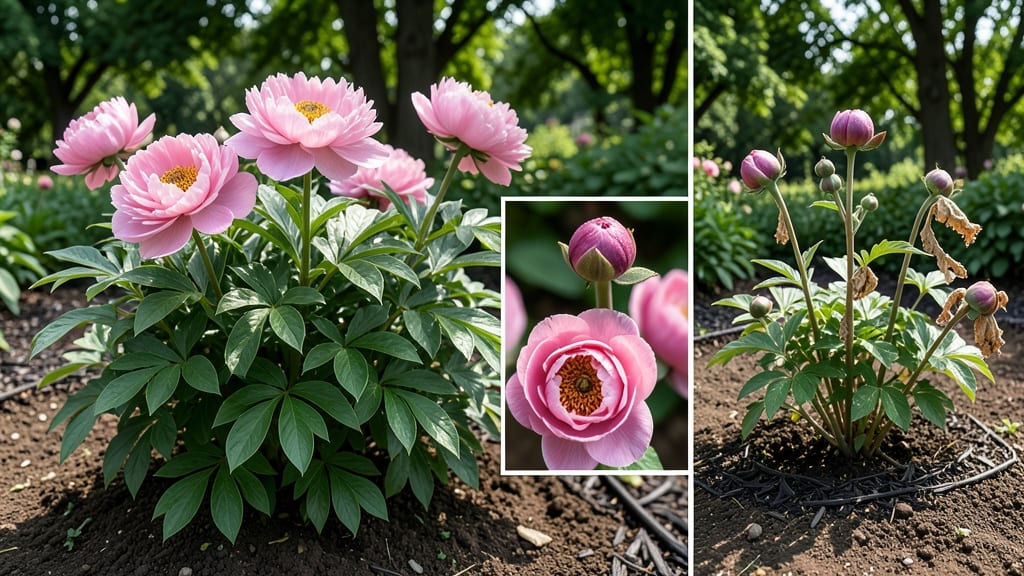
Do peonies bloom more than once? Most peonies bloom just once per year, but reblooming varieties can produce a second flush of flowers in late summer with the right care. Deadheading spent blooms and avoiding heavy fertilization are key to encouraging this second bloom in cultivars like 'Sarah Bernhardt' or 'Bowl of Beauty'.
Not all peonies follow the same blooming pattern—it depends on the type. 🌸 Herbaceous peonies, which are the most common, typically bloom once in spring, while tree peonies often produce multiple blooms over several weeks.
The secret to getting that second flush lies in choosing reblooming varieties and providing consistent care. I've found that these plants thrive when you remove spent blooms promptly and avoid overfeeding with nitrogen-heavy fertilizers, which can actually reduce flowering.
The timing of your pruning and watering also plays a crucial role in encouraging more blooms.
For gardeners eager to see peonies rebloom, selecting the right cultivar is half the battle. 🌿 Varieties like 'Sarah Bernhardt' and 'Bowl of Beauty' are well-known for their ability to produce a second set of flowers, but even these need proper growing conditions.
I always recommend planting them in well-draining soil with plenty of sunlight and avoiding any late-season pruning that could disrupt their energy reserves. With the right approach, you can enjoy peony blooms well into summer!
💡 In This Article
- Why Most Peonies Bloom Only Once: Botanical and Seasonal Factors
- How to Encourage Reblooming in Peonies: Variety Selection and Care Tips
Why most peonies bloom only once: botanical and seasonal factors
The single-bloom habit in peonies stems from their energy allocation strategy. Herbaceous peonies, which make up 90% of garden varieties, store energy in their thick, tuberous roots during the growing season.
This stored energy fuels their dramatic spring bloom, often lasting 7-10 days per flower, but leaves little reserve for subsequent blooms. 🌸 The plant prioritizes root growth and seed production after flowering, which requires significant energy that would otherwise support additional blooms.
Temperature and daylight hours play critical roles in this cycle. Peonies are sensitive to chilling requirements—they need 4-8 weeks of temperatures below 40°F to break dormancy and initiate blooming. Once they've used this energy for their primary bloom, the plant shifts to vegetative growth.
Reblooming varieties, like 'Sarah Bernhardt', have been selectively bred to allocate energy differently, producing a secondary flush when conditions remain favorable—typically 60-70°F and 14+ hours of daylight.
The botanical difference between single-bloom and reblooming types lies in their genetic makeup. Single-bloomers produce a single, large flower bud that develops over winter, while rebloomers form multiple smaller buds that mature sequentially.
This requires more complex energy management, which is why reblooming varieties often produce 20-30% smaller flowers in their second flush compared to their spring display. 🌿 The trade-off is worth it for gardeners eager to extend their blooming season!
Another critical factor is the plant's response to fertilization. Excess nitrogen promotes leafy growth at the expense of flower buds. Most peonies need low-phosphorus, high-potassium fertilizer to encourage blooming rather than foliage.
This is why many gardeners report fewer blooms when they over-fertilize—what seems like care can actually disrupt the plant's natural energy balance.
Light exposure also influences blooming patterns. Peonies need 6-8 hours of direct sunlight daily for optimal flowering. Inadequate light causes the plant to focus on leaf production rather than flower development. Even reblooming varieties may fail to produce a second flush if summer shade reduces photosynthesis.
This is why gardeners in northern climates often see better reblooming success—the cooler temperatures and longer daylight hours create ideal conditions.
Understanding these factors helps explain why some peonies bloom just once while others can produce multiple flushes.
The key difference lies in how each variety manages its energy reserves throughout the growing season. 💫 With the right conditions and care, even single-bloomers can sometimes produce a few additional buds, but true reblooming requires selecting the appropriate cultivars from the start.