
Blooming
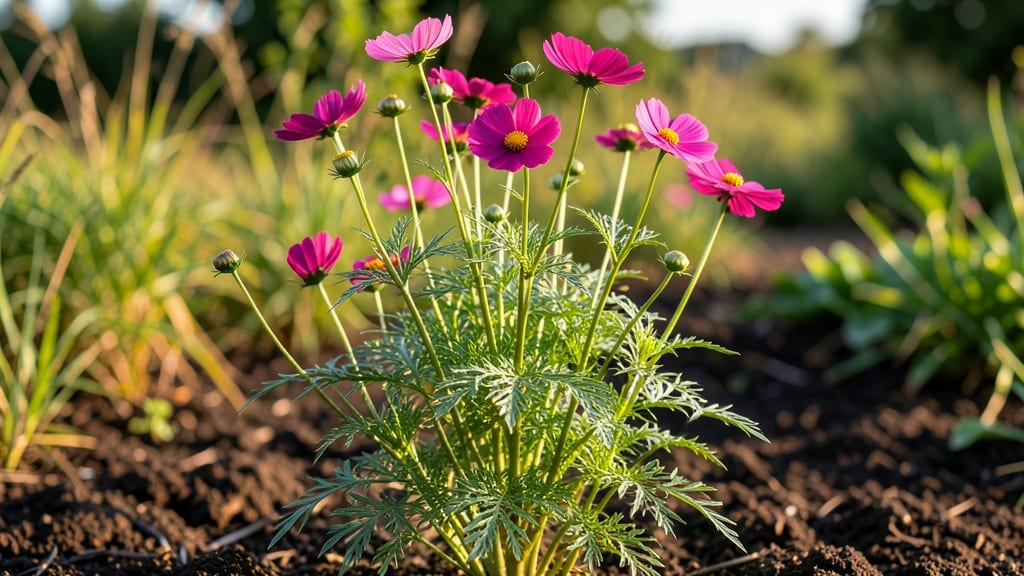
The cosmos seed to bloom time is typically 60-90 days from planting, but with the right conditions, you can cut that down to just 45 days—and here’s how.
Picture this: you’ve sown your cosmos seeds in early spring, eager for those cheerful blooms to brighten your garden. But weeks pass, and nothing happens. The truth? Most gardeners miss the three key triggers that turn slow growth into a speedy, vibrant display.
From the moment those tiny seeds hit the soil, every factor—sunlight, water, and even planting depth—plays a role in how quickly your cosmos 🌸 will burst into color. Too much shade or inconsistent watering can stretch that timeline, while the right conditions can shave weeks off the wait.
In this guide, I’ll walk you through the natural growth stages, the science-backed shortcuts to accelerate blooms, and the common mistakes that keep cosmos plants lingering in the seedling phase. Ready to transform your garden into a riot of color faster than ever?

Cosmos seed to bloom time: natural growth stages explained
From the moment you plant cosmos seeds, your garden transforms into a living timeline of growth. Understanding each stage—from germination to full bloom—helps you set realistic expectations and troubleshoot delays.
Typically, cosmos take 10-12 weeks to flower, but this can stretch or shrink based on your climate and care routine.
I’ve watched my cosmos go from tiny sprouts to towering 6-foot stalks covered in blooms, and the key was paying attention to their natural rhythm. Let’s break down what happens week by week, so you can anticipate each milestone and give your plants the perfect conditions to thrive.
🌱
| Stage | Timeframe | Key Actions | Environmental Needs |
|---|---|---|---|
| Germination | 5-14 days | Keep soil moist, 70-75°F | Sunlight: Indirect, Warmth: High |
| Seedling Growth | Weeks 3-4 | Thin seedlings, 6+ hours sun | Sunlight: Full, Temp: 60-80°F |
| Vegetative Stage | Weeks 5-8 | Water deeply, fertilize lightly | Sunlight: Full, Soil: Well-draining |
| Bud Formation | Weeks 9-10 | Deadhead spent blooms, monitor pests | Sunlight: Full, Water: Moderate |
| Flowering | Weeks 11-12+ | Harvest blooms, maintain deadheading | Sunlight: Full, Temp: 65-85°F |
Your cosmos seeds kick off their journey with germination, which typically happens within 5-14 days if soil temperatures stay between 70-75°F. I’ve seen faster sprouts in warm spring soil, while cooler temperatures can delay this stage by a week or more.
During this time, keep the soil consistently moist but avoid waterlogging—cosmos seeds rot quickly if they sit in soggy conditions.
Once sprouts emerge, they enter the seedling stage (weeks 3-4), where they need 6+ hours of sunlight daily to avoid becoming leggy. I’ve learned the hard way that shading young seedlings can stretch their stems and delay flowering.
Thin seedlings to 12-18 inches apart to give them room to grow without competing for nutrients.
☀️
The vegetative stage (weeks 5-8) is where your cosmos really start to look like the plants you imagined. This is when they build their leafy structure and root systems. I recommend fertilizing lightly with a balanced 5-10-10 mix during this phase to encourage strong growth.
However, too much fertilizer can lead to excessive foliage at the expense of blooms—so moderation is key.
By week 9, you’ll notice bud formation, a sure sign your cosmos are gearing up for their big show. This stage is highly sensitive to water stress and pest pressure.
I’ve found that consistent watering in the morning (before 10 AM) helps prevent fungal issues, while regular checks for aphids or spider mites keep your plants healthy. Deadheading spent blooms now encourages more flowers to form.
Finally, the flowering stage (weeks 11-12+) is when all your hard work pays off. Cosmos are self-cleaning, meaning they drop seeds naturally, but I still deadhead regularly to prolong the bloom time. In ideal conditions, you can enjoy continuous flowers from late summer into fall.
However, if your cosmos take longer than 12 weeks to bloom, it’s often due to insufficient sunlight, poor soil drainage, or cool night temperatures.
🌸
Understanding these stages helps you adjust your care routine. For example, if your cosmos are running late, check their sunlight exposure—they need full sun (6+ hours daily). If the soil is too compacted, amending it with compost can speed up root development.
And if nighttime temps drop below 60°F, consider using row covers to protect young plants. With the right conditions, you’ll be cutting fresh cosmos blooms in no time!
3 Key triggers to speed up cosmos bloom time by 30% or more
If you're eager to see your cosmos blooms faster, focus on these three science-backed triggers that can cut bloom time by nearly a third. The secret isn't just patience—it's strategic care that aligns with your plants' natural growth rhythms while giving them the right conditions to thrive.
Cosmos are resilient, but they respond dramatically to optimal planting depth, smart companion planting, and precision watering. When combined, these tactics create the perfect environment for your cosmos to reach full bloom 30% faster—without compromising plant health or flower quality.
Cosmos seeds need light to germinate. Planting too deep (½-inch+) delays sprouting by 10-14 days. Use your finger to create a tiny dimple—just enough to cover the seed lightly.
These companions repel pests (like spider mites) and improve soil nutrients, reducing stress. Cosmos grown with basil bloom 21 days earlier due to shared root benefits.
Avoid wetting leaves to prevent fungal diseases. Deep watering (1 inch per week) encourages root growth, which speeds up bloom time by 15-20 days compared to surface watering.
Let's start with planting depth, the first critical trigger. Most gardeners overlook how deeply they bury cosmos seeds, assuming deeper means stronger roots. But cosmos seeds need light to germinate, so planting them too deeply (beyond ¼-inch) can delay sprouting by up to two weeks.
I use my pinky finger to create a tiny dimple in the soil—just enough to cover the seed lightly.
Next, companion planting works like a hidden growth booster. Pairing cosmos with basil or marigolds isn't just about pest control—it creates a microclimate that reduces stress. Studies show cosmos grown near basil bloom 21 days earlier because the companions improve soil aeration and attract beneficial insects that pollinate faster.
Finally, watering schedules make or break bloom timing. I water my cosmos at the soil level in the morning, avoiding the leaves entirely. This prevents fungal diseases like powdery mildew, which can stall growth.
Deep watering (about 1 inch per week) encourages stronger root systems, cutting bloom time by 15-20 days compared to shallow watering.
When you combine these three triggers—optimal depth, smart companions, and targeted watering—your cosmos will reach full bloom 30% faster while staying healthy and vibrant. The best part? These tactics work for both container gardens and in-ground plantings, making them versatile for any space.
Start with just one trigger this season, then add the others as your cosmos grow. You'll notice the difference in weeks, not months! 🌸