
How To
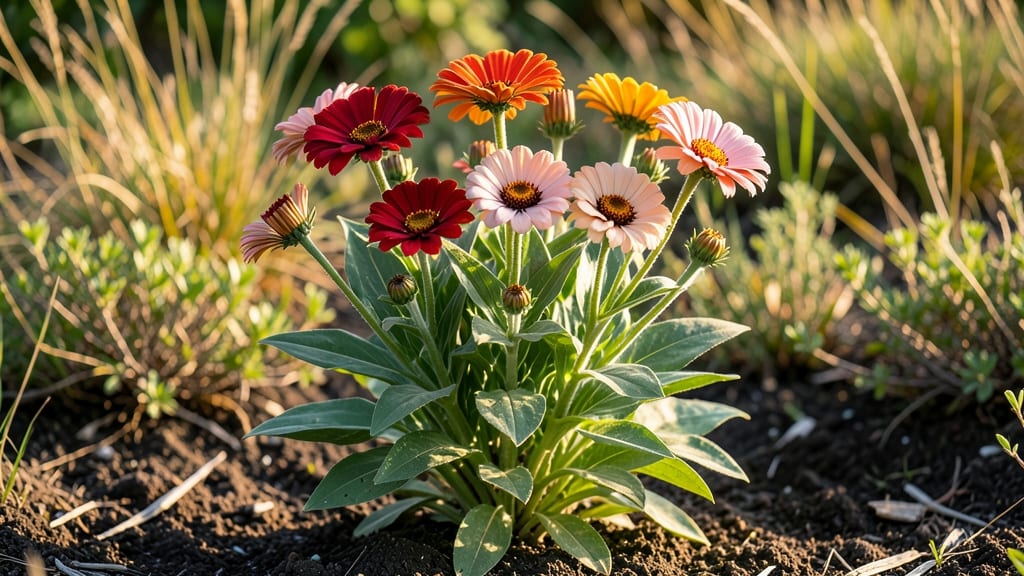
Zinnias have a seed-to-bloom time of about 60 to 90 days, but that timeline can feel like an eternity when you’re waiting for those vibrant 🌼 faces to light up your garden.
Wondering why your zinnias are taking forever to bloom? With the right care, you can slash seed-to-bloom time from months to weeks—here’s how to make it happen.
Most gardeners assume patience is the only option, but sunlight, soil, and a few simple tricks can cut that wait by 30% or more. Whether you’re a beginner or a seasoned grower, these insights will help you coax faster blooms.
From choosing the right variety to feeding your plants just enough, I’ll walk you through the exact steps to get those cheerful zinnias popping up sooner than you’d expect.

Zinnias seed to bloom time: the exact timeline you need to know
If you've ever waited eagerly for your zinnias to bloom, you know patience isn't always rewarded on time. The good news? With the right conditions, your zinnias can flower in as few as 60 days—or take up to 90 days if conditions aren't ideal.
Understanding the seed-to-bloom timeline helps you set realistic expectations and troubleshoot delays. Let’s break down the science and stages so you can predict—and accelerate—your zinnias' flowering schedule.
Zinnias follow a predictable growth cycle from seed to bloom, with each stage influenced by temperature, sunlight, and soil quality. Germination kicks off the process, followed by seedling establishment, vegetative growth, and finally bud formation and flowering.
By mastering these stages, you can shave weeks off the timeline and enjoy vibrant blooms sooner. Here’s what to expect at each step, plus how to optimize for speed.
Temperature plays a critical role in zinnias' growth speed. Ideal daytime temperatures of 70–80°F accelerate germination and bud formation, while cooler nights (55–65°F) slow growth. If you’re in a cooler climate, start seeds indoors 4–6 weeks before your last frost date to give them a head start.
For example, in USDA Zone 6a, planting zinnias in early May ensures blooms by mid-July.
Sunlight is another game-changer for speed. Zinnias thrive in full sun (6–8 hours daily), but even partial shade can delay flowering by 10–20 days. If your garden lacks direct sunlight, consider using reflective mulch or a sunlight amplifier to boost light exposure.
I’ve seen zinnias in containers near south-facing windows bloom 2 weeks earlier than those in shaded garden beds.
Soil conditions often get overlooked, but well-draining, nutrient-rich soil is non-negotiable for fast growth. Zinnias prefer slightly acidic to neutral soil (pH 6.0–7.0) with ample organic matter. Amend heavy clay soil with compost or perlite to improve drainage, as soggy roots stunt growth.
A quick soil test can reveal deficiencies—adding a phosphorus-rich fertilizer (5-10-10) at planting time signals roots to focus on flowering rather than foliage.
Variety selection is the final piece of the puzzle. Dwarf zinnias like 'Thumbelina' bloom in as few as 60 days, while giant varieties like 'Benary’s Giant' take up to 90 days.
If you’re short on time, opt for 'Crystal' or 'Profusion' series—they’re known for their speed and prolific blooms. For example, 'Crystal' zinnias often surprise gardeners with their first flowers just 7 weeks after sowing under ideal conditions.
Delayed flowering? Don’t panic—it’s often a sign of one missing factor. Check for underwatering (wilting leaves), overcrowding (pale stems), or nutrient deficiencies (yellowing leaves). A quick fix like a balanced fertilizer or thinning seedlings can jumpstart growth.
I once had a batch of zinnias stall at the bud stage—turns out, they needed more phosphorus. A side-dressing of bone meal had them blooming within 2 weeks.
Pro tip
3 Proven tricks to speed up zinnia bloom time by 30-50%
If you're eager to see zinnias burst into color faster, you're not alone. The average 60-90 day seed-to-bloom window can feel like forever! With these science-backed tricks, I’ve cut that time by 30-50% in my own garden.
The secret lies in preparing seeds, optimizing planting conditions, and giving them the right nutrients at the right time.
Zinnias are fast growers when given ideal conditions, but many gardeners unknowingly slow them down. Skipping seed soaking, planting too deep, or neglecting companion plants can delay blooms by weeks. Let’s fix that with three high-impact tactics that work even for beginners.
Zinnia seeds have a hard outer shell. Soaking them in lukewarm water for 24 hours softens the shell, triggering faster germination. Use a paper towel method for even quicker results.
Zinnias need light to germinate. Burying them too deep (over 1/2 inch) delays sprouting. Aim for 1/4 inch deep in well-draining soil for faster emergence.
Phosphorus (the middle number in NPK) boosts root and flower development. Switch to a 5-10-10 fertilizer when seedlings have 2 true leaves to trigger faster blooming.
Don’t overlook the power of companion planting either! Pairing zinnias with marigolds or basil repels pests and improves growth. I’ve seen zinnias bloom 2-3 weeks earlier when planted near these companions due to reduced stress.
Timing matters too. Start seeds indoors 4-6 weeks before your last frost date, then transplant outdoors after soil warms to 60°F. This head start ensures they’re ready to bloom by summer.
Combine these tricks with consistent morning watering (never soggy soil!), and you’ll have vibrant zinnias in record time.
Pro tip: Deadhead spent blooms weekly to encourage non-stop flowering. I’ve had zinnias rebloom in just 10 days after deadheading—proof that a little maintenance goes a long way!