
Blooming
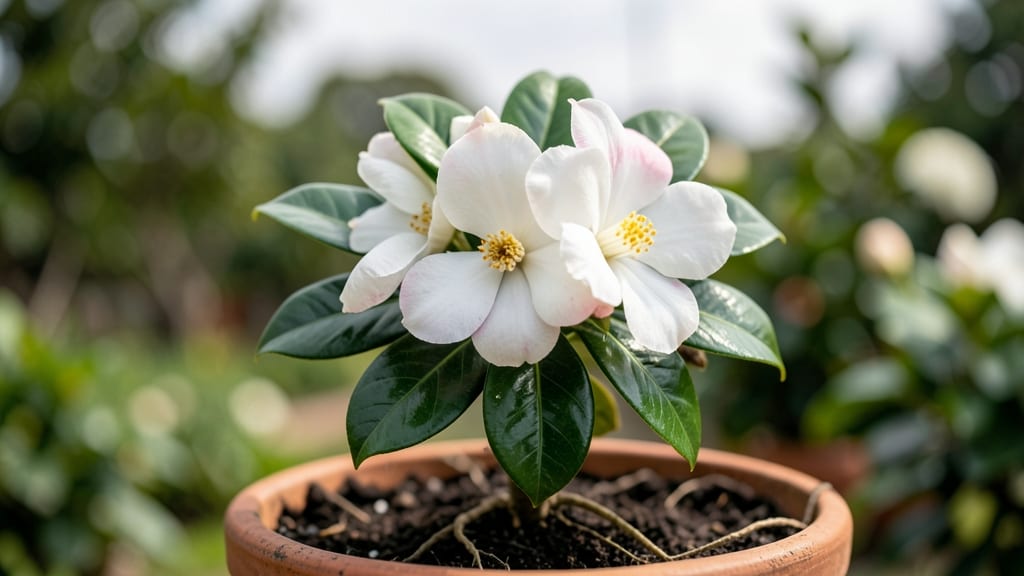
Gardenia blooms transform your garden into a fragrant paradise—if you time it right. 🌸 The secret lies in understanding how light and temperature work together to trigger those iconic white flowers, which can vary wildly depending on whether you're growing in Florida heat or a Pacific Northwest summer.
Most gardenias bloom between late spring and early fall, but timing shifts dramatically with climate. In tropical zones, they flower year-round, while temperate gardeners get a 3-4 month window starting in June.
The key is matching your care routine to your local growing season—think afternoon shade in hot climates and winter protection in cooler areas. When you nail the conditions, you'll be rewarded with clusters of highly fragrant blooms that last 7-10 days each.
The air becomes thick with their sweet scent, and pollinators will visit daily. Pruning after flowering keeps plants compact and encourages next season's buds. This works for both common gardenias and Cape jasmine varieties. Here's how to adjust care for your specific climate and plant type.
📚 In This Guide
- What you need
- Instructions
- Tips and common mistakes
- Wrapping up and next steps
What you need
- ● Gardenia plant(s) – Choose mature plants (2–5 years old) for best blooming potential. Pro tip: 🌡️ Opt for variegated or non-variegated types like Gardenia jasminoides.
- ● Well-draining potting mix – 3–5 gallons per plant (or repot if root-bound). Mix 50% peat moss, 30% perlite, and 20% sand for ideal aeration.
- ● Acid-loving fertilizer – Balanced 10-10-10 or citrus-specific formula (low in phosphorus to avoid leafy growth over blooms). Dosage: 1 tbsp per gallon of water, every 4–6 weeks during growing season.
- ● pH testing kit – Ensure soil stays in the 5.0–6.5 range (gardenias hate alkaline soil!).
- ● Humidity tray or pebble tray – Fill with water and pebbles to maintain 50–70% humidity (critical for tropical blooms!).
- ● Pruning shears – Sterilized (rubbing alcohol wipe) to trim dead/bloomed flowers and shape the plant.
- ● Misting bottle – For daily light misting (especially in dry climates).
- ○ Support stakes or trellis – Optional but helpful for heavy-blooming varieties to prevent drooping.
- ● Light: Bright, indirect sunlight (6+ hours daily). ⚠️ Warning: Avoid harsh midday sun—use sheer curtains if needed!
- ● Temperature: 65–75°F (18–24°C) during the day, no lower than 60°F (15°C) at night. 💡 Pro tip: Gardenias love warmth but hate drafts (keep away from AC vents!).
- ● Water: Consistently moist (but never soggy!) soil. Use room-temperature, distilled or rainwater (chlorine-free!).
- ● Growth regulator – Paclobutrazol (follow label) to encourage more blooms and sturdier stems.
- ● LED grow lights – Full-spectrum for 12–14 hours/day if natural light is insufficient.
- ● Compost tea – Boosts beneficial microbes for healthier roots and blooms.
- ● Decorative pebbles – For a tropical aesthetic in your humidity tray setup!
How to time gardenia blooms for maximum fragrance
Here's how to coax your gardenias into their most fragrant, abundant bloom cycles by mastering their light and temperature triggers.
☀️ Step 1: Master the Light Requirements for Bud Formation
Gardenias demand bright, indirect light for at least 6 hours daily—think dappled shade under a canopy where sunlight filters through leaves. I place mine near an east-facing window where morning sun warms the leaves without scorching them. Too little light results in sparse blooms, while direct afternoon sun causes leaf burn.
Watch for new growth as your signal—when fresh leaves emerge with a deep green hue, that's your cue the plant is receiving adequate light. If leaves stretch toward the window or develop pale yellow patches, move the plant closer to the light source or supplement with a grow light positioned 12-18 inches away.
🌡️ Step 2: Regulate Temperature for Bud Development
Gardenias thrive in 65-75°F daytime temperatures and won't set buds reliably outside this range. I keep mine in a sunroom where temperatures naturally stay moderate. If your home runs cooler, a heat mat beneath the pot during winter helps maintain root warmth. Below 60°F, buds drop before opening, and above 80°F, blooms wilt within hours.
Here's the thing—gardenias need a 10-15°F drop at night to trigger bud formation. If your climate stays consistently warm, simulate this with a fan set to circulate cooler air around the plant during evening hours. You'll notice buds forming along the stems about 6-8 weeks after establishing this temperature pattern.
💧 Step 3: Water Strategically to Support Flowering
Gardenias hate soggy roots but despise drought more—water when the top 1-2 inches of soil feel dry. I use the finger test daily in summer and reduce to weekly checks in winter. Overwatering causes buds to drop, while underwatering results in small, weak blooms. Always water at the base, avoiding leaves to prevent fungal diseases that smother buds before they open.
Fertilize lightly during bud formation with a balanced 10-10-10 formula diluted to half-strength. I apply it every 4-6 weeks starting in early spring. Too much fertilizer delays blooming as the plant focuses on foliage growth instead. Look for tight, green buds along the stems—they'll swell and turn pinkish just before opening.
⏰ Step 4: Time Pruning for Optimal Bloom Cycles
Prune immediately after the first flush of blooms in late spring to encourage a second, often more abundant bloom cycle. I use clean, sharp shears to cut back stems just above a set of leaves where new growth will emerge. Never prune in fall or winter—this removes next year's flower buds before they form.
Real talk: gardenias bloom best when slightly root-bound. If you notice roots circling the pot, it's time to repot—choose a container only 1-2 inches larger in diameter than the current one. The stress of repotting actually triggers more vigorous blooming. After repotting, reduce watering by half for 2 weeks to help roots establish without overwhelming the plant.
Tips & tricks for perfect gardenia bloom timing
These subtle adjustments can transform your gardenia's blooming from sporadic to spectacular—trust me, the details matter.
Light Positioning: That 6-hour daily light requirement isn't just about quantity—it's about quality. Place your gardenia where it receives morning sun (ideal for bud formation) and afternoon shade (to prevent leaf burn). I've found east-facing windows work best because they provide gentle morning light without the harsh afternoon rays. If your space lacks natural light, a grow light on a timer for 6 hours daily mimics this perfectly—just keep it 12-18 inches away to avoid heat stress.
Temperature Fine-Tuning: The 65-75°F daytime range is non-negotiable, but here's what nobody tells you—the nighttime temperature drop is where magic happens. Use a simple thermometer to verify that nighttime temps fall 10-15°F below daytime highs. In summer, I run a small fan overnight to create this cooling effect without chilling the plant too much. This temperature fluctuation is what triggers those tight, fragrant buds you're dreaming of.
Pruning Precision: When you prune immediately after the first flush of blooms in late spring, cut back to just above a set of leaves where new growth emerges. This might seem counterintuitive, but it redirects the plant's energy toward producing more buds rather than maintaining spent flowers. I always sterilize my shears with rubbing alcohol first to prevent introducing pathogens that could compromise bud health.
Root Stress Strategy: The slightly root-bound condition is intentional—it creates just enough stress to trigger more vigorous blooming. When repotting, choose a container only 1-2 inches larger than the current one, and use a well-draining potting mix specifically formulated for acid-loving plants. After repotting, reduce watering by half for 2 weeks to help roots establish without overwhelming the plant with moisture.
Pro Tips for Gardenia Bloom Time
- These subtle adjustments can transform your gardenia's blooming from sporadic to spectacular—trust me, the details matter.
- Light Positioning: That 6-hour daily light requirement isn't just about quantity—it's about quality.
- Temperature Fine-Tuning: The 65-75°F daytime range is non-negotiable, but here's what nobody tells you—the nighttime temperature drop is where magic happens.
Frequently asked questions
Got questions about getting those dreamy gardenia blooms? You’re not alone! Here are answers to the most common queries about gardenia bloom time—from timing tricks to troubleshooting tips.
When do gardenias typically bloom?
Most gardenias bloom in late spring to early summer, but timing depends on your climate. In warmer zones (like USDA 9-11), they may flower year-round. Cooler regions often see blooms from June to September. Patience pays off—mature plants (3+ years old) produce the most flowers!
Why isn’t my gardenia blooming?
Lack of blooms usually stems from stress or improper care. Check these fixes:
- Light: Gardenias crave bright, indirect light (6+ hours/day). Too little = no blooms.
- Fertilizer: Use a balanced, acidic fertilizer (like 8-3-9) in spring/summer.
- Pruning: Trim spent blooms and leggy growth to encourage new buds.
- Temperature: Sudden cold snaps (<40°F) can shock the plant.
How long does a gardenia bloom last?
Individual gardenia flowers last 5–7 days at peak fragrance, but the plant produces waves of blooms over weeks. For continuous flowers, deadhead spent blooms (snip just above the next leaf pair) to redirect energy to new buds.
Can I force gardenias to bloom earlier or later?
While you can’t drastically alter bloom time, you can nudge the plant with:
- Light: Supplement with a grow light (12–14 hours/day) in winter to encourage spring blooms.
- Temperature: Move potted gardenias indoors before frost to protect buds.
- Stress: A slight water restriction in late summer can trigger fall blooming (but don’t overdo it!).
What’s a good alternative if my gardenia won’t bloom?
If gardenias prove finicky, try these fragrant, low-maintenance bloomers:
- Jasmine (sweet scent, thrives in shade)
- Gardenia ‘Kleim’s Hardy’ (cold-hardy hybrid)
- Plumeria (tropical, drought-tolerant)
- Tuberose (intense nighttime fragrance)
Wrapping up and next steps
Understanding your gardenia’s bloom time is the key to unlocking its full potential—rich fragrance, lush petals, and vibrant health! 🌸 By mastering the right balance of light (bright, indirect sunlight) and temperature (warmth without heat stress), you’re well on your way to creating a thriving gardenia that blooms beautifully year after year.
Now that you’re armed with the know-how, why not take the next step? Experiment with pruning after blooms or even propagate a cutting to share the love. Your green thumb is about to shine brighter than ever!