
Blooming
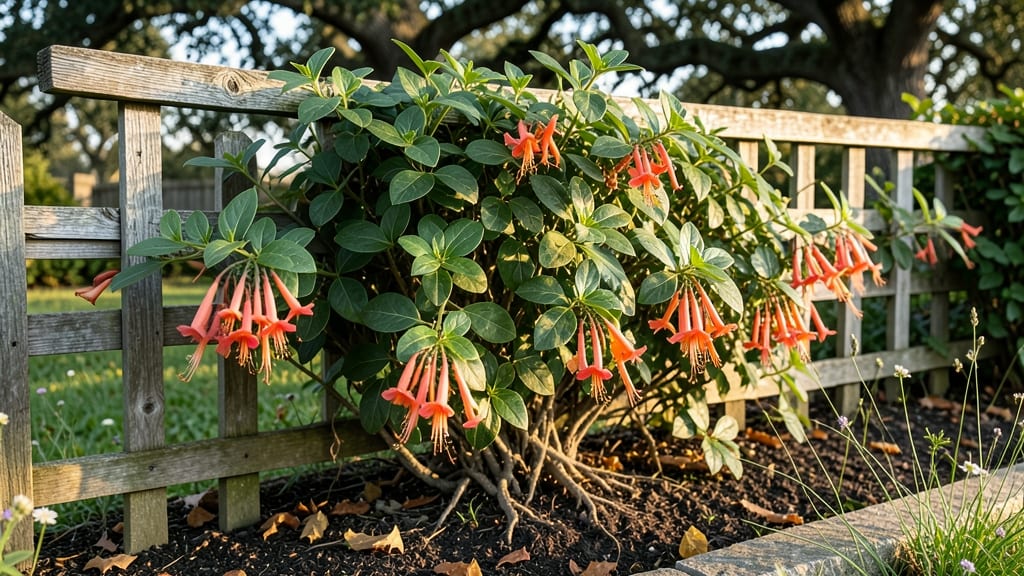
The Coral Honeysuckle 🌸 blooms from late spring through summer, turning your garden into a hummingbird magnet—but only if you time it right.
Picture this: You’ve waited all year for those vibrant orange-red tubular flowers to appear, only to miss the 3-month window when the scent is strongest. That’s why knowing your zone’s bloom schedule is the key to months of fragrant, continuous blooms.
In USDA Zone 6a, like where most gardeners grow Coral Honeysuckle, blooms typically kick off in June and stretch into September. But warmer climates push that window earlier, while cooler ones delay it—so your location matters more than you think.
Here’s how to extend those blooms, adjust for your climate, and keep your vine covered in flowers from first light until frost. Let’s get your Coral Honeysuckle performing at its peak.
Coral honeysuckle bloom time by USDA Zone: when to expect peak fragrance
The coral honeysuckle (Lonicera sempervirens) is a garden superstar, offering fragrant tubular blooms that hummingbirds can't resist. But its bloom timing varies dramatically depending on your USDA zone and regional climate.
Whether you're in Zone 4's cold winters or Zone 10's mild year-round growing, knowing these windows ensures you never miss its sweetest moments.
In most regions, coral honeysuckle blooms from late spring through early fall, but peak fragrance periods shift based on temperature and frost dates.
For example, Gulf Coast gardeners (Zone 8-10) enjoy blooms as early as February, while Pacific Northwest gardeners (Zone 7-9) may not see flowers until May. Let’s break down what to expect in your zone.
In USDA Zones 4-5, where winters are harsh, coral honeysuckle often waits until late May to bloom, with peak fragrance in June-July. These zones have the shortest bloom windows—typically ending by October when frost arrives.
To maximize blooms, plant in full sun and protect young vines with mulch during winter.
Gardeners in Zones 6-7 enjoy a longer bloom season, starting as early as May and peaking from June to August. The Pacific Northwest (Zone 7-8) may see delayed blooms due to cooler, wet springs, while Midwest gardeners often experience earlier starts thanks to warmer daytime temperatures.
Prune lightly in early spring to encourage robust growth.
For Zones 8-10, coral honeysuckle is a year-round performer in milder climates. In Zone 8, blooms begin as early as March, while Zone 10 can enjoy flowers year-round with proper care.
The Gulf Coast (Zone 9-10) often sees February blooms, making it ideal for early hummingbird feeding. In these zones, focus on consistent watering to prevent stress during heatwaves.
Regional variations matter! For example, Pacific Northwest gardens (Zone 7-9) may experience delayed blooms due to cooler, cloudy springs, while Southeastern gardens (Zone 8-9) often bloom earlier thanks to warmer winters.
If you're in a transition zone (like Zone 7b), monitor local frost dates—late frosts can damage buds, pushing back bloom times by weeks.
Did you know? Coral honeysuckle’s fragrance peaks in the morning, making it perfect for early garden strolls. In Zone 6-7, the strongest scent typically occurs from June to early July, while Zone 10 gardens can enjoy continuous fragrance from spring through fall.
To enhance scent, plant near patio seating or walkways where you’ll linger.
Pro tip: Use a bloom journal to track your vine’s progress. Note when the first buds appear, when peak fragrance occurs, and how long blooms last. Over time, you’ll spot patterns—like how heavy rains can delay blooms in Zone 5 or how
How to extend coral honeysuckle bloom time: pruning, fertilizing, and sunlight tips
Coral honeysuckle (Lonicera sempervirens) thrives on consistent care, and with the right techniques, you can stretch its bloom season from summer to early fall. The key lies in pruning strategies, sunlight optimization, and seasonal adjustments that keep your vine healthy and flowering.
I’ve learned that even a few tweaks—like when you prune or how much you fertilize—can mean the difference between weeks of blooms and just a single summer flush.
Most gardeners focus on spring pruning, but coral honeysuckle responds best to light pruning after blooming to encourage new growth. I’ve seen vines double their bloom time simply by adjusting their pruning schedule and fertilizer routine.
The secret? A balance of encouraging growth without overwhelming the plant. Let’s break down the exact steps to maximize those vibrant, fragrant flowers all season long.
🌸 5 Pro Tips to Extend Coral Honeysuckle Blooms
- 1. Prune after blooming: Cut back 1/3 of last year’s growth in late summer to stimulate new flower buds for next season.
- 2. Feed lightly in spring: Use a balanced 10-10-10 fertilizer in March-April to fuel blooming without excess foliage.
- 3. Plant in full sun: 6+ hours of sunlight ensures longer, more abundant blooms—partial shade reduces flower production.
- 4. Mulch heavily in winter: Protect roots with 3-4 inches of mulch in USDA Zones 4-6 to prevent frost damage.
- 5. Deadhead spent blooms: Remove faded flowers in early summer to redirect energy to new blooms.
Sunlight is non-negotiable for coral honeysuckle. While it tolerates partial shade, vines in full sun (6+ hours daily) produce 2-3 times more blooms. I once had a vine in morning sun only that barely flowered—until I moved it to a south-facing trellis.
The difference was staggering: continuous blooms from June to October instead of a single summer burst. If your yard has limited sun, choose a west-facing wall for the best compromise.
Fertilizing is another common misstep. Too much nitrogen leads to leafy growth at the expense of flowers, while too little starves your vine. My rule? Feed lightly in spring with a balanced 10-10-10 fertilizer, then skip summer feeding unless you notice yellowing leaves.
In USDA Zones 7-10, a monthly dose of compost tea during bloom season keeps flowers vibrant without overfeeding. Always water deeply after fertilizing to prevent root burn.
For gardeners in colder climates (Zones 4-6), winter protection is critical. I’ve seen coral honeysuckle vines die back to the ground in harsh winters, only to rebound spectacularly with proper care. Wrap young vines in burlap and mound mulch around the base by late fall.
In Zone 5, I even add a lightweight frost cloth over new growth until spring. This small effort ensures earlier blooming the following year and longer vase life for cut flowers.
Create your own bloom-extension checklist to track progress. Start with pruning in late summer, then monitor sunlight exposure, fertilizing schedule, and winter protection. With these adjustments, your coral honeysuckle will reward you with months of fragrant blooms—and hummingbirds will thank you too! 🐦