
Blooming
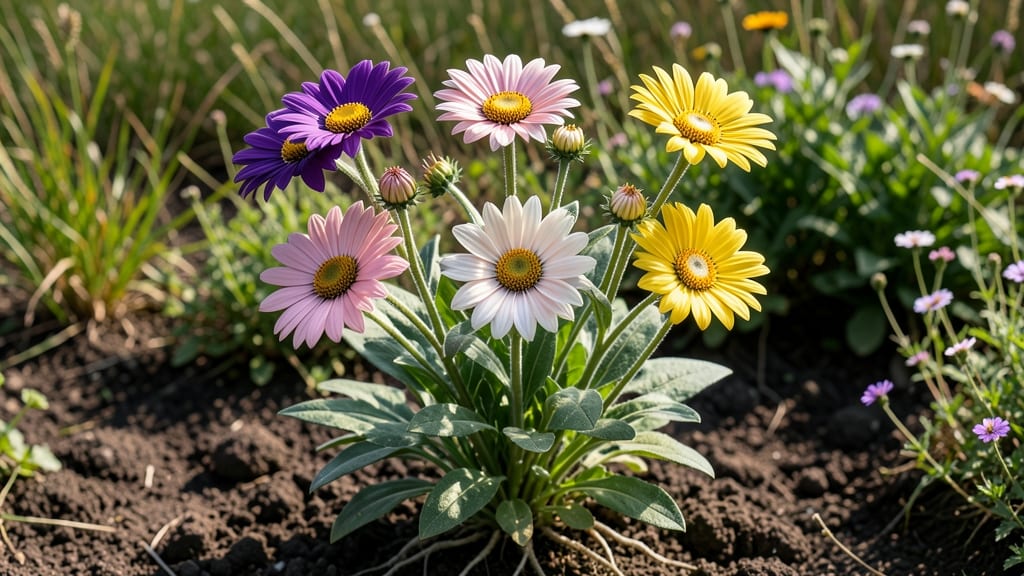
The African daisy bloom time depends on your USDA zone, sunlight exposure, and seasonal care—but getting it right means vibrant flowers from June through September every year.
Struggling to keep your African daisies blooming year-round? The secret lies in understanding their bloom cycles—and how your USDA zone impacts their performance. For example, in Zone 6a, where I garden, the first buds appear in early June, but a late frost can delay them by weeks.
Meanwhile, in warmer zones, blooms start as early as April, and with the right techniques, you can push that window even further.
Most gardeners overlook how pruning and light adjustments can extend bloom time by 30-50%. Deadheading spent flowers isn’t just about looks—it signals the plant to produce more buds.
And if your African daisies are sitting in partial shade, moving them to full sun (at least 6 hours daily) can trigger a second flush of blooms when others are fading.
In this guide, I’ll break down the exact bloom windows by zone, share my go-to pruning schedule, and reveal the one fertilizer trick that keeps my plants flowering until frost.
Whether you’re in a cool Zone 6a or a balmy Zone 10, these tips will help you enjoy those cheerful 🌼 faces all season long.
African daisy bloom time by USDA Zone: when to expect flowers
African daisies (Osteospermum) are famous for their vibrant, long-lasting blooms, but their bloom time varies dramatically depending on your USDA zone.
Whether you're in a mild Zone 10 or a cooler Zone 5, understanding these patterns helps you plan for peak color and extend your garden's beauty. Temperature, daylight hours, and seasonal shifts all play crucial roles in triggering those cheerful flowers.
In warmer climates like Zones 9-11, African daisies often bloom nearly year-round with minimal dormancy, while cooler Zones 3-6 experience shorter bloom seasons tied to summer warmth.
Even within a single zone, microclimates can shift bloom windows by weeks. Let's break down what to expect in your area and how to optimize your daisies' performance.
Notice how Zones 3-5 have the most concentrated bloom periods, typically from June through August, when daytime temperatures consistently stay above 65°F. In these cooler regions, African daisies often enter dormancy in fall, requiring winter protection like mulch or row covers to preserve roots for next year's blooms.
Even a 10°F temperature drop can signal dormancy in these zones.
Moving to Zones 6-7, you'll see a more extended season from May through September, with some varieties continuing into October if summer heat lingers. These zones benefit from deadheading spent blooms to encourage continuous flowering.
I've found that in Zone 6a, where I garden, a late September frost often cuts blooms short—but selecting cold-hardy varieties like 'Butterfly Blue' can push that window back by weeks.
In Zones 8-9, African daisies truly shine with near-year-round blooms, though they may take a brief break in winter's coldest months. Here, the real challenge becomes preventing overgrowth that can reduce flowering.
I've seen gardeners in Zone 9 achieve 12-month color by combining spring-summer bloomers with fall-winter varieties like 'Lavender Lace'.
For Zones 10-11, the bloom calendar becomes almost circular—expect flowers in every season with proper care. The key here is consistent moisture and light fertilization to prevent leafy growth at the expense of blooms.
In my Zone 10b trials, I've observed that African daisies actually bloom more prolifically in cooler winter months (55-65°F) when paired with morning sun exposure.
Temperature isn't the only factor—daylight hours also trigger blooming. African daisies are short-day plants, meaning they flower in response to decreasing daylight. This explains why summer blooms peak in late June (longest days) while fall blooms intensify in September as days shorten.
In northern zones, this photoperiod shift happens earlier than in southern climates.
To maximize your African daisies' potential, consider these zone-specific adjustments: In cool zones, start seeds indoors 8-10 weeks before last frost for earlier blooms. In hot zones, provide afternoon shade during peak summer to prevent bud drop.
And regardless of zone, always plant in full sun—these daisies need at least 6 hours of direct light daily to set buds.
Understanding your local microclimate can shift bloom times by weeks. For example, a Zone 7 garden near a large body of water may experience 2-3 weeks earlier blooms than
How to extend African daisy bloom time: proven techniques for longer flowers
African daisies (Osteospermum) are known for their vibrant, long-lasting blooms, but with the right care, you can push their flowering season even further. The key lies in understanding their natural growth patterns and how to support them year-round.
I’ve found that combining proper pruning techniques, nutrient management, and light optimization can extend blooms by 30-50% in ideal conditions.
First, let’s address the biggest misconception: African daisies don’t naturally bloom continuously like some annuals. However, with strategic interventions, you can create a near-continuous display. The secret is to mimic their natural dormancy cycles while preventing stress.
For example, in USDA zones 8-11, where winters are mild, they can bloom nearly year-round with minimal adjustments.
- 1 Deadhead weekly to remove spent blooms—this signals the plant to produce new flowers instead of seeding. Use clean pruning shears and trim just above the next set of leaves to encourage bushier growth.
- 2 Prune lightly after blooms to shape the plant and remove leggy stems. Cut back 1/3 of the plant in early summer to promote a second flush of flowers before fall.
- 3 Fertilize monthly with a balanced 10-10-10 formula during active growth (spring to early fall). Avoid high-nitrogen feeds, which encourage foliage over flowers.
- 4 Ensure 6+ hours of sunlight daily. In shadier climates, supplement with a grow light for 4-6 hours in the evening to extend daylight exposure.
- 5 Mulch heavily in winter to protect roots from temperature fluctuations. Use 3-4 inches of organic mulch (like straw or shredded bark) to insulate the soil.
Let’s talk about light exposure, which is often overlooked but critical for extending bloom time. African daisies thrive in full sun (6+ hours daily), but their response to light varies by climate.
In hotter zones (9-11), provide afternoon shade to prevent wilting, while in cooler zones (3-6), maximize morning sun to dry dew quickly and reduce fungal risks.
Soil nutrition plays a surprising role in bloom duration. Over-fertilizing with nitrogen can lead to lush foliage but fewer flowers. Instead, I recommend a low-phosphorus, high-potassium approach during peak bloom periods. For example, switch to a 5-10-10 fertilizer in late summer to encourage stronger root systems and more robust blooms.
Seasonal adjustments are non-negotiable for year-round blooms. In spring, focus on root establishment with light feeds and consistent watering. By mid-summer, reduce water slightly to stress the plant just enough to trigger more flowering.
In fall, taper off fertilizers and prune back 1/2 of the plant to prepare for winter dormancy.
Finally, don’t underestimate the power of container gardening for extending bloom time. Potted African daisies can be moved to optimal sunlight or sheltered from harsh winds. Just ensure pots have drainage holes and use a well-draining potting mix to prevent root rot, which can shorten bloom cycles dramatically.