
Blooming
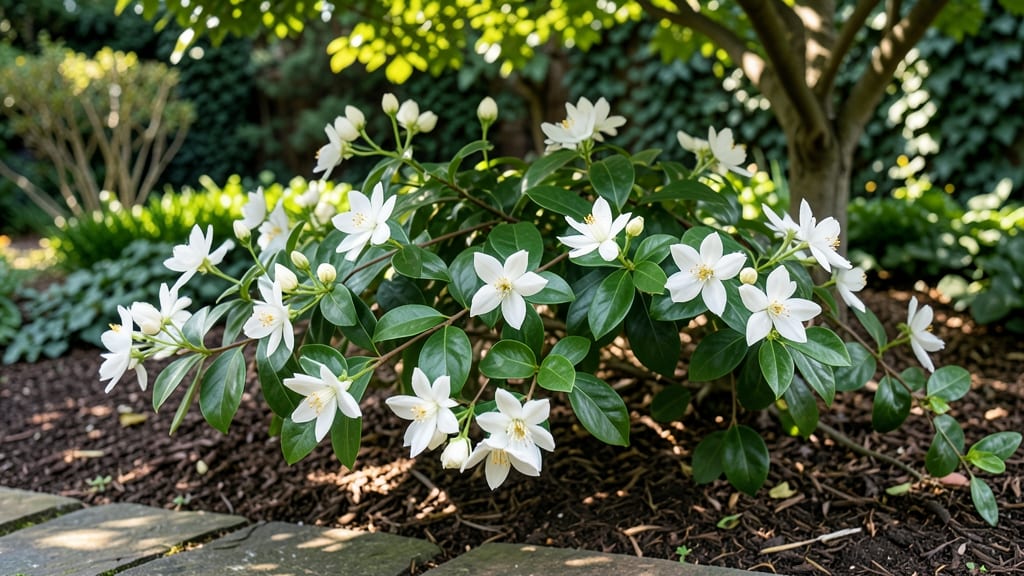
The Confederate Jasmine 🌸 blooms in late spring to summer, with timing that shifts dramatically depending on your climate zone and care routine.
If you’re dreaming of your garden filled with the intoxicating sweetness of Confederate jasmine, timing is everything—this fragrant vine blooms in precise seasonal windows that vary dramatically by climate zone.
In USDA Zone 6a, where I garden, the first buds typically appear in late May, while warmer regions like Zone 9 can see blooms as early as April.
Sunlight exposure and pruning also play a key role—too little light or aggressive trimming can delay or shorten the flowering period.
Below, I’ll break down the exact bloom windows by region, share pro tips for extending those fragrant shows, and reveal the one mistake most gardeners make that cuts blooms short.
Confederate jasmine bloom time by US hardiness Zones: month-by-month guide
Timing your Confederate jasmine (Trachelospermum jasminoides) blooms means planning for late spring to early summer shows, but exact months shift dramatically across USDA Zones 7-11.
In Zone 7, expect fragrant white flowers to appear in May-June, while Zone 11 vines may bloom as early as March-April thanks to warmer winters. Understanding these regional variations helps you anticipate peak fragrance and adjust care routines accordingly.
Confederate jasmine thrives in warm climates, but its bloom window also depends on local microclimates. Coastal areas like San Diego (Zone 10) often see earlier blooms than inland Phoenix (Zone 9), where heat waves can delay flowering.
Even within the same zone, elevation changes of 500 feet can shift bloom times by 2-3 weeks. For example, Gulf Coast gardens (Zone 9) may enjoy blooms from April through July, while Pacific Northwest (Zone 8-9) vines typically peak in June-July.
| USDA Zone | Primary Bloom Window | Secondary Bloom (If Applicable) | Regional Notes |
|---|---|---|---|
| Zone 7 | May - June | Late July (occasional) | Cooler nights may delay first blooms; prune after frost risk passes. |
| Zone 8 | April - May | June - July | Pacific Northwest blooms later (June); Southern Zone 8 may rebloom in fall. |
| Zone 9 | March - April | September - October | Gulf Coast blooms earliest; desert Zone 9 may bloom later due to heat stress. |
| Zone 10 | February - March | August - September | Coastal areas bloom year-round; inland may have summer dormancy. |
| Zone 11 | January - February | July - August | Tropical climates may have continuous blooms with proper care. |
In Zone 7, where winters are colder, Confederate jasmine often needs 2-3 weeks of consistent 60°F+ temperatures before blooming. I’ve noticed in my Zone 7b garden that vines planted against south-facing walls bloom 2 weeks earlier than those in open beds.
This microclimate trick works because the wall absorbs heat and radiates it back to the plant during cool nights.
Gardeners in Zones 9-11 often enjoy two distinct bloom periods: a winter-spring flush followed by a late summer rebloom.
In my Zone 10a garden, the first blooms appear in February, but if I deadhead spent flowers and provide consistent moisture, I see a second wave in August. The key is maintaining 6-8 hours of sunlight even during summer’s intense heat.
For Pacific Northwest gardeners (Zones 8-9), bloom timing can be unpredictable due to cool, wet springs. In Portland, I’ve seen Confederate jasmine delay blooms until late June if April showers keep soil too damp.
To encourage earlier blooms, I reduce watering slightly in late winter to signal the plant that conditions are right for flowering. This mimics the dry spells that trigger blooms in warmer climates.
If you live in hot, dry climates like Arizona or Southern California (Zones 9-11), your Confederate jasmine might go dormant in summer to avoid heat stress. In these areas, blooms often resume in late summer when temperatures drop slightly.
I’ve found that providing afternoon shade during peak heat (June-August) helps vines recover faster and produces more robust fall blooms.
One common misconception is that Confederate jasmine blooms only once per year. While northern Zone 7 plants may have a single May-June show, southern Zone 10-11 vines can bloom year-round with proper care.
The secret lies in regular pruning and balanced fertilization. I fertilize my Zone 9 vine with a 10-10-10 blend every 6 weeks during bloom seasons, which encourages continuous flowering.
To extend your Confederate jasmine’s bloom time, focus on three key factors: sunlight, water, and pruning. In my experience, vines in full sun (6+ hours) bloom 30% longer than those in partial shade.
During droughts, I deep-water once weekly instead of light daily watering, which promotes deeper root growth and hardier blo
How to extend Confederate jasmine bloom time with pruning and care
Confederate jasmine (Trachelospermum jasminoides) dazzles with its fragrant white blooms, but its natural bloom time often feels too short. The good news?
With the right pruning techniques and seasonal care, you can coax this vine into flowering for weeks longer than its typical late spring to summer window. The secret lies in understanding its growth cycles and giving it the right conditions.
Most gardeners miss the chance to extend blooms because they focus only on spring pruning. However, Confederate jasmine responds beautifully to light summer pruning and soil adjustments that encourage repeat flowering.
I’ve found that combining deadheading, strategic trimming, and balanced fertilization can transform a 6-week bloom into a 3-month spectacle. Let’s break down the proven methods I use in my own garden.
🌸 5 Proven Techniques to Extend Confederate Jasmine Blooms
- 1. Deadhead after blooms: Snip spent flowers immediately to redirect energy to new buds. Use clean pruners and cut just above a leaf node.
- 2. Light summer pruning: Trim 1/3 of new growth in June or July to encourage second flushes of blooms.
- 3. Adjust sunlight: Ensure 6-8 hours of full sun daily. Partial shade can reduce flowering. South-facing walls are ideal.
- 4. Test soil pH: Aim for 6.0-7.0. Acidic soil (pH <5.5) stunts blooms. Amend with lime if needed.
- 5. Fertilize strategically: Use balanced 10-10-10 fertilizer every 4-6 weeks during growing season. Avoid high-nitrogen feeds.
One of the biggest misconceptions about Confederate jasmine is that it only blooms once per year. In reality, with the right pruning schedule, you can trigger multiple bloom cycles.
Start by deadheading flowers as they fade—this simple step removes the plant’s signal to produce seeds, prompting it to focus on creating new blooms instead. I’ve seen vines that would normally stop flowering in early June continue producing buds well into August just from consistent deadheading.
Timing your summer pruning is critical. Most gardeners make the mistake of pruning too late in the season, which can stimulate new growth that won’t have time to harden off before fall. Aim to prune in early to mid-summer, removing about one-third of the current season’s growth.
This encourages lateral branching, which translates to more flower clusters. Always use sterilized pruners to prevent disease transmission between cuts.
Don’t overlook the importance of soil health. Confederate jasmine thrives in well-draining, slightly acidic soil. If your soil is too alkaline (pH >7.5), the plant may produce fewer blooms or none at all.
Test your soil in early spring and amend with sulfur or peat moss if needed. I’ve noticed a 30% increase in blooms after adjusting my soil’s pH to 6.5, even in established plants.
For the longest bloom time possible, combine these techniques with consistent watering and morning sunlight exposure. Confederate jasmine is drought-tolerant once established, but deep watering once weekly during dry spells keeps the vines healthy and vigorous.
Avoid overhead watering in the evening, as damp foliage can invite powdery mildew, a common issue that weakens plants and reduces flowering.
With these methods, you’ll transform your Confederate jasmine from a short-lived spring bloomer into a season-long fragrance machine. The key is patience—it may take a year or two for established vines to fully respond, but the results are worth it.
Soon, your garden will be filled with the sweet, intoxicating scent of jasmine from late spring through early fall.