
Blooming
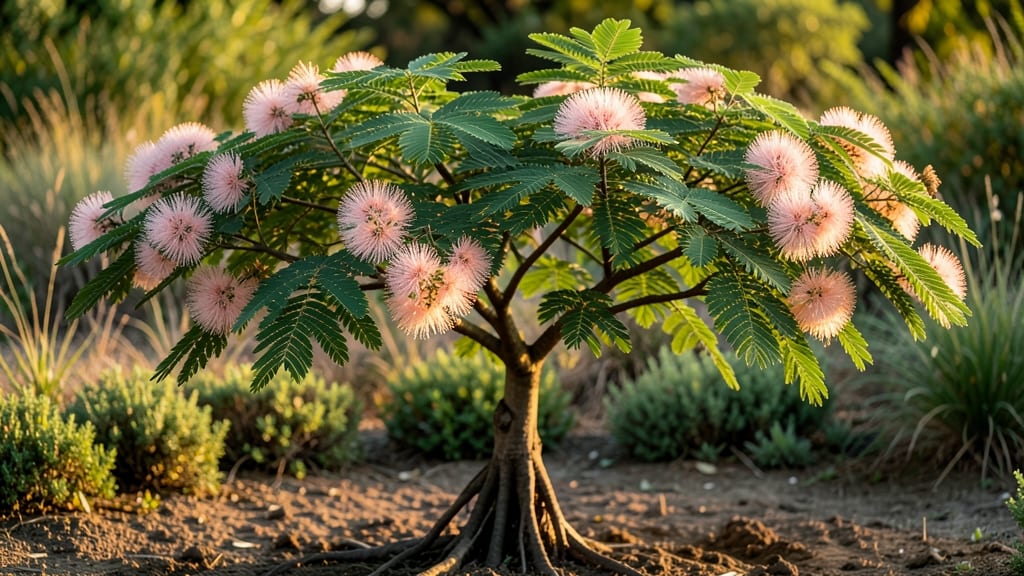
The mimosa tree blooms in spring with golden, fern-like flowers that create a breathtaking show 🌳 — and timing these showers depends entirely on your climate zone.
If you’ve ever dreamed of a backyard bathed in golden blossoms, timing is everything—because mimosa trees (Albizia julibrissin) burst into bloom with a fleeting, dazzling display that lasts just one to two weeks.
Missing it means waiting another year, but the exact months vary wildly across the U.S., from early April in the South to late May in the Northeast.
This guide breaks down the precise bloom windows for your region, plus the hidden factors (like chill hours and soil conditions) that can shift those dates by weeks. You’ll also learn how to coax your tree into flowering earlier—or why it might be skipping blooms entirely.
Ready to plan your spring garden around this showstopper? Here’s what you need to know to catch the mimosa tree’s golden showers every year.
Mimosa tree bloom time by U.s. climate Zone: exact months for each region
Timing your mimosa tree’s (Albizia julibrissin) golden bloom depends entirely on your USDA hardiness zone—and missing it means waiting another year for those fragrant, fern-like flowers. In Zone 7, expect blooms in mid-April, while Zone 9 gardeners see them in late May.
These shifts happen because mimosa trees need consistent warmth after winter dormancy, and cooler zones take longer to trigger flowering.
Temperature fluctuations can delay or advance bloom times by 2-4 weeks. A warm winter might push Zone 6 mimosas to bloom in early April instead of late April, while a late frost in Zone 8 could push blooms into June.
Understanding your local microclimate—like urban heat islands or coastal breezes—helps predict when your tree will burst into color.
Here’s a region-by-region breakdown of mimosa bloom windows, including average start dates and duration of the show-stopping display. Use this as your garden calendar to mark those fleeting moments of golden perfection.
| USDA Zone | Region Examples | Avg. Bloom Start | Peak Bloom | Bloom Duration | Notes |
|---|---|---|---|---|---|
| 6a-6b | Chicago, IL / Boston, MA | Late April | Early May | 7-10 days | Cold snaps delay blooms |
| 7a-7b | Atlanta, GA / Washington, D.C. | Mid-April | Late April | 10-14 days | Urban areas bloom earlier |
| 8a-8b | New Orleans, LA / Dallas, TX | Early April | Mid-April | 7-10 days | Early blooms if mild winter |
| 9a-9b | San Antonio, TX / Phoenix, AZ | Late March | Early April | 7-14 days | Can rebloom in fall |
| 10a-10b | Miami, FL / San Diego, CA | February | March | 10-14 days | Multiple bloom cycles |
In Zone 6, where winters are harsh, mimosa trees often need extra warmth to bloom on time. Planting near a south-facing wall or using mulch can advance bloom time by 1-2 weeks.
Meanwhile, in Zone 10, where winters are mild, mimosas may bloom as early as February and even rebloom in fall if conditions are ideal.
If you’re in a transition zone (like Zone 7b), pay attention to last frost dates. Mimosa trees won’t bloom until after consistent 60°F+ nights, so late frosts can push blooms into May or June.
Use a local frost calendar to time your expectations—because missing that one-week window means waiting another year for nature’s golden confetti.
Pro tip: Young mimosa trees (under 3 years old) may skip blooming entirely while they establish roots. Don’t panic—patience is key. Once mature, they’ll reward you with spectacular displays for decades. Just remember: timing is everything, and your USDA zone is your best predictor.
For gardeners in cooler climates, consider protecting your mimosa with burlap wraps during winter to preserve buds. In warmer zones, prune lightly in late winter to encourage healthier blooms.
Either way, mark your calendar—because when those golden puffs appear, they’ll steal the show for just 7-14 days.
🌳
How to predict your mimosa tree’s bloom time (and what to do if it’s late)
Predicting when your mimosa tree (Albizia julibrissin) will burst into its signature golden blossoms relies on three critical factors: chill hours, winter dormancy, and soil conditions.
Mimosa trees are sensitive to temperature shifts—too little winter chill (300-600 hours below 45°F) can delay blooms, while well-draining soil ensures roots store enough energy for spring flowering. Even in ideal climates, a single late frost or drought can push back bloom time by 2-4 weeks.
If your mimosa hasn’t bloomed by late May in Zone 7 or June in Zone 8, don’t panic—it might just need a nudge.
Young trees (3-5 years old) often take longer to mature their flowering cycle, while older trees may struggle with nutrient deficiencies or root competition. The good news? With the right adjustments, you can coax those fragrant blooms into appearing right on schedule—or even earlier.
- ✅ Chill Hours: Mimosa trees need 300-600 hours below 45°F to trigger blooming. Track your local winter lows—if temps stay above 50°F for weeks, blooms may never appear.
- ✅ Soil pH: Test your soil—mimosa thrives in 6.0-7.5 pH. Acidic soil (below 6.0) locks out nutrients like phosphorus, delaying blooms. Amend with lime if needed.
- ✅ Winter Mulch: Apply 3-4 inches of mulch in late fall to insulate roots. Without protection, roots may freeze, stunting next year’s blooms.
- ✅ Spring Fertilizer: Feed with 10-10-10 fertilizer in early March to jumpstart growth. Skip heavy doses—too much nitrogen = leafy growth, no flowers.
- ✅ Pruning Timing: Prune after blooming (late June) to remove dead wood and shape the tree. Pruning in fall or winter can shock the tree and delay next year’s blooms.
One of the biggest misconceptions about mimosa trees is that they bloom only once per year. While their spring display is the most dramatic, some varieties—like the ‘Summer Chocolate’ cultivar—produce a second, lighter flush of blooms in late summer.
To encourage this, ensure your tree gets full sun (at least 6 hours daily) and avoid overwatering, which can stress roots and reduce flowering.
If your mimosa still refuses to bloom after a full growing season, dig deeper: root bound potted trees or compacted soil in the ground can starve roots of oxygen, halting flower production. Gently loosen soil around the base with a fork, or repot if grown in a container.
For established trees, a deep root fertilizer like mycorrhizal fungi can revive dormant roots and trigger blooms within 2-3 weeks.
Pro tip: Mark your calendar for late winter—this is when mimosa trees set their flower buds. If you notice tiny pink buds forming in February, your tree is on track for a May-June bloom.
No buds by March 1st? It’s time to troubleshoot with the checklist above. With the right care, you’ll be rewarded with a two-week spectacle of golden, fern-like flowers that fill your yard with fragrance.
Remember, mimosa trees are fast growers—some add 3-5 feet per year—so patience is key. If your tree is young (under 5 years), it may simply need time to mature.
For older trees, a balanced approach to water, sun, and soil is your best bet for predicting—and enjoying—those magical bloom windows.