
Blooming
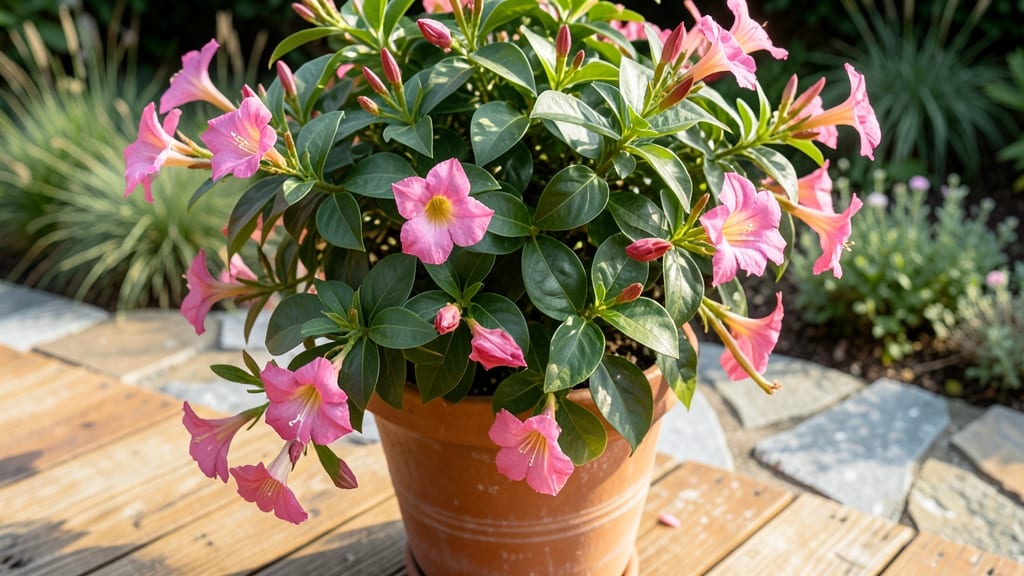
Mandevilla blooms time varies dramatically by variety, with most summer displays kicking off in May and lasting through September 🌸 — but the exact window depends on where you live and how you care for it.
If you’ve ever waited patiently for those trumpet-shaped blooms to appear, only to be met with silence, you’re not alone.
The difference between a sparse show and a garden bursting with color often comes down to knowing the precise bloom window for your specific variety and tweaking a few key care habits.
From the early bloomers like Alice du Pont, which often start in late April, to the late-season stars like Sun Parasol, which can stretch blooms into October, understanding these timelines helps you plan pruning, fertilizing, and even where to place your plant for maximum impact.
Here’s how to pinpoint the best bloom time for your Mandevilla, extend the season with simple tricks, and troubleshoot common mistakes that keep those flowers from showing up when you expect them.
Mandevilla bloom time by variety: exact months for each cultivated type
If you love Mandevilla’s dramatic tropical blooms, timing is everything. These stunning vines reward patience with summer-long color, but each variety has its own peak bloom schedule.
Whether you’re in USDA Zone 9 or Zone 11, knowing these exact months helps you plan for maximum impact—and avoid disappointment when buds fail to open.
Most Mandevillas bloom from late spring to early fall, but some varieties start earlier or linger longer. For example, Alice du Pont often kicks off the season in May, while Sun Parasol might not reach its peak until July.
Regional adjustments of 1-2 weeks are normal, especially in cooler microclimates or high-altitude areas within these zones.
Key factors like sunlight exposure, pruning timing, and winter care can shift bloom windows by 3-4 weeks. For instance, a well-pruned Red Canary in Zone 10 might bloom as early as April, while an unpruned plant could delay until June. Let’s break down the exact bloom periods for the most popular varieties, plus how to adjust for your specific climate.
Notice how Red Canary can bloom as early as March in Zone 9 if pruned aggressively in late winter. This variety is a tropical speedster—its buds form on new growth, so hard pruning in February triggers an earlier flush.
In contrast, Sun Parasol is a summer specialist, rarely producing significant blooms before June unless given extra warmth.
For Zone 11 gardeners, some varieties like Bella or Alice du Pont may extend their bloom season into November if temperatures stay above 60°F. However, frost-sensitive buds will drop if nights dip below 50°F.
In these warmer zones, light shade during peak summer (to prevent leaf scorch) can actually prolong blooming by reducing stress.
If you’re in Zone 9 and want to push blooms earlier, try this trick: Move potted Mandevillas to a sheltered, south-facing spot by March 1st. The extra warmth can coax Red Canary into blooming by April 15th instead of waiting until May.
For late bloomers like Amethyst Falls, focus on consistent moisture and a balanced fertilizer (10-10-10) every 4 weeks starting in April.
One common mistake is assuming all Mandevillas bloom at the same time. Alice du Pont and Bella often overlap bloom periods, creating a staggered display from May to October. Planting both varieties together ensures non-stop color—just be prepared for Alice du
How to extend your Mandevilla bloom time: pruning, fertilizing, and light tricks
Want your Mandevilla to bloom earlier or later? The secret lies in strategic pruning, fertilizer timing, and light manipulation. These tropical vines thrive on routine, and small adjustments can push your bloom window by weeks—or even months.
Whether you're growing in containers or in-ground, these tricks will transform your summer displays from sparse to spectacular.
First, let's tackle pruning timing. Most gardeners make the mistake of pruning at the wrong time—right when buds form or after the last frost. Instead, prune Mandevilla in early spring (March) to encourage new growth, or late summer (August) to promote a second flush of blooms.
This growth reset tricks the plant into producing more flowers when you want them.
🌿 Top 5 Tricks to Extend Bloom Time
- 🌱 Prune in March to kickstart early blooms or August for a late-season show.
- 💧 Use 10-10-10 fertilizer every 4-6 weeks during growing season (spring-fall).
- ☀️ Move containers to morning sun in summer to prevent wilting while keeping light exposure high.
- ✂️ Deadhead spent blooms to redirect energy to new flowers—do this weekly for best results.
- 🌡️ Protect from frost with burlap wraps in USDA Zone 9 to extend the season.
Next, let’s talk fertilizer schedules. A balanced NPK ratio of 10-10-10 is ideal, but timing matters just as much. Feed your Mandevilla in spring (March-May) to fuel early blooms, then switch to a light feeding in summer (June-August) to sustain flowers without overstimulating foliage.
Skip fertilizing in fall and winter—this mimics their natural dormancy cycle and prevents nutrient burnout.
Light manipulation is another game-changer, especially for container-grown Mandevilla. These vines love 6+ hours of sun, but too much afternoon heat can scorch leaves. In hot climates, place containers where they get morning sun and afternoon shade.
For in-ground plants, ensure they’re near a south-facing wall to maximize light without overheating. This light balancing keeps blooms vibrant longer.
Don’t overlook deadheading—this simple task removes spent blooms and signals the plant to produce more flowers. Snip off faded blooms with clean pruning shears every 7-10 days during peak bloom season.
Pair this with regular watering (deep soaks every 2-3 days) to keep roots hydrated without waterlogging. These small habits add up to weeks of extra blooms.
For container gardeners, overwintering your Mandevilla indoors can also extend bloom time. Move pots to a bright, cool room (60-65°F) and reduce watering to every 10-14 days.
Resume feeding in early spring to jumpstart blooms. This trick works especially well for USDA Zone 9 gardeners who want a head start on summer displays.