
Blooming
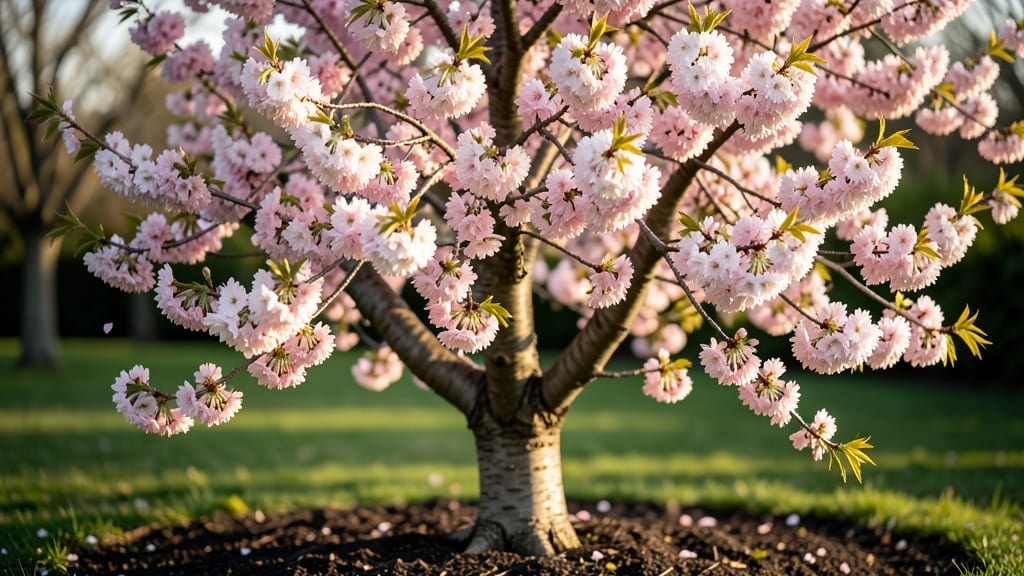
Knowing the cherry blossom tree bloom time 🌸 is the key to catching one of nature’s most stunning displays—whether you’re planning a garden or chasing the perfect photo op.
Watching cherry blossoms burst into bloom is one of nature’s most breathtaking spectacles—but timing is everything. If you’re planning a visit or cultivating your own tree, knowing the exact bloom windows by USDA hardiness zones can mean the difference between a missed show and a magical spring experience.
In USDA Zone 6, like much of the Midwest, expect the Yoshino variety to peak in early April, while later-blooming Kwanzan cultivars may linger into May. But climate shifts, tree age, and even your local microclimate can push those dates by weeks.
Below, I’ll break down how to predict your tree’s bloom time, the top 5 varieties for the longest displays, and post-bloom care to keep your 🌸 showstopper thriving for years.
USDA Zone bloom schedule: when cherry blossoms peak nationwide
Cherry blossoms are nature’s springtime masterpiece, but their bloom windows vary dramatically across the country. If you’re planning a visit to Washington D.C.’s Tidal Basin or cultivating your own Prunus serrulata, understanding your USDA hardiness zone is key.
Early bloomers like 'Shirofugen' might burst into color by late March in Zone 7, while late varieties like 'Autumn Royal' may wait until May in Zone 4.
The timing depends on cultivar selection, chilling hours, and local microclimates. Urban areas often bloom 1-2 weeks earlier than rural zones due to the urban heat island effect. Let’s break down what to expect in your region, from the northernmost gardens to southern coastal areas.
🌸 Key Factors Affecting Bloom Time:
- Chilling hours (300-1,000+ hours below 45°F)
- Cultivar type (early, mid, or late bloomers)
- Microclimate (urban vs. rural, elevation)
- Tree age (mature trees bloom earlier than young ones)
In Zone 3-4, where winters are harsh, most cherry blossoms wait until late April or May to bloom. The 'Kurokan' cultivar, with its deep purple-black petals, is a standout in these northern regions.
Planting weeping varieties like 'Pendula' can extend your viewing window by creating a cascading pink waterfall that lasts longer.
Gardeners in Zone 5-6 enjoy the most reliable timing, with 'Yoshino' cherry blossoms—America’s most popular cultivar—peaking in late April. This variety thrives in full sun and well-draining soil, making it ideal for landscape planting. Pro tip: Prune in late winter to encourage dense blooming branches for next spring.
Southern zones (7-10) experience earlier blooms, sometimes as early as February. The 'Taihaku' variety, with its pure white flowers, is a favorite in Zone 9-10. However, be cautious—late frosts can damage delicate blossoms. Choose late-blooming cultivars if your region has unpredictable spring weather.
Urban gardeners often see blooms 1-2 weeks earlier due to heat retention from buildings and pavement. If you’re in a city like New York (Zone 6-7), expect 'Kwanzan' cherry blossoms to peak in early April, while rural areas might see them a week later.
Monitor local NOAA frost forecasts to time your garden activities perfectly.
For longer bloom periods, mix early, mid, and late varieties in your landscape. For example, pair 'Shirotae' (early) with 'Autumn Royal' (late) to enjoy pink splendor from March through May. Just remember: overwatering during bloom can shorten the show, so stick to deep
How to predict your local cherry blossom bloom time using weather patterns
Predicting when your cherry blossom tree will bloom isn't just about checking a calendar—it's a science of temperature trends, chilling hours, and historical data.
Urban heat islands can delay blooms by up to 2 weeks compared to rural areas, so understanding these patterns helps you set realistic expectations for your Prunus serrulata or hybrid varieties.
Start by tracking daily low temperatures during winter dormancy. Cherry blossoms need 600-1,000 chilling hours below 45°F (7°C) to trigger bud break. Use a home weather station or check NOAA climate charts for your USDA zone to verify if your area meets these requirements.
🌡️ Key Factors for Predicting Bloom Time
- 📅 Chilling Hours: Track 600-1,000 hrs below 45°F (7°C) during dormancy
- ☀️ Spring Warming: Buds swell when temps hit 50°F (10°C) consistently
- 🌆 Urban Heat: Cities bloom 1-2 weeks later than rural areas
- 📊 Historical Data: Check local park records (e.g., DC's Tidal Basin)
- 🌱 Tree Age: Mature trees bloom 2-3 days earlier than young saplings
For precise predictions, combine NOAA climate data with your local phenology network (like the USA National Phenology Network). These tools provide real-time bloom forecasts based on satellite observations and ground reports.
For example, Washington DC's Yoshino cherry trees typically bloom when average daily temps reach 55°F (13°C) for 3 consecutive days.
Adjust your expectations based on microclimates. South-facing slopes bloom 1 week earlier than north-facing yards, while wind exposure can delay blooms by 3-5 days.
If you're in an urban area, account for the urban heat island effect, which can push bloom times into late April or early May instead of March.
Plant variety also matters—early bloomers like 'Amanogawa' may appear in late February in Zone 7, while late bloomers like 'Autumn Royal' wait until mid-May. Cross-reference your tree's cultivar specifications with your local climate patterns to narrow down the window.
Once buds begin swelling (usually in late February-March), monitor for color changes from green to pink. Full bloom typically occurs 7-10 days after buds first open. Set reminders to check daily—this final phase is when the magical pink spectacle unfolds! 🌸