
Blooming
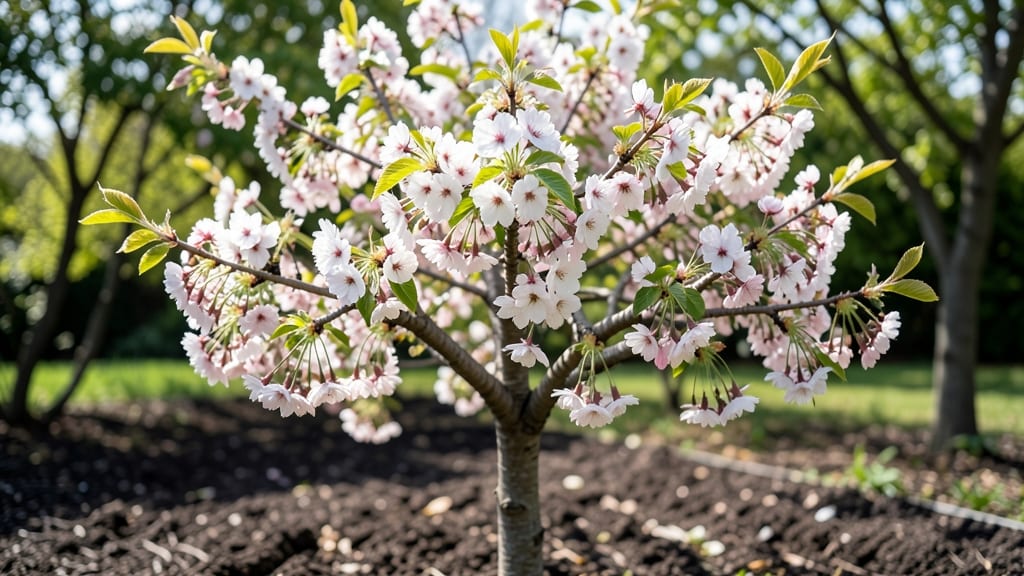
Cherry trees bloom during springtime 🌸, with timing that shifts dramatically depending on your USDA zone and the variety you choose.
Watching cherry blossoms burst into color is a magical experience—but timing everything right depends on your USDA zone. Get your cherry tree bloom schedule perfectly aligned with these expert insights.
In Zone 6a, like many northern regions, blooms typically arrive between late April and early May, while southern zones like 8-10 may see flowers as early as February. The difference isn’t just about aesthetics—it’s about preparing your tree for the best possible bloom year.
From selecting the right variety to adjusting care based on climate, I’ll show you how to predict your tree’s first bloom, extend its flowering season, and troubleshoot delays. Ready to turn your yard into a springtime spectacle?
Cherry tree bloom time by USDA zone: when to expect flowers
Timing your cherry tree's bloom season depends heavily on your USDA zone and the specific variety you've chosen. Whether you're growing sweet cherries, tart cherries, or ornamental varieties, understanding these patterns helps you prepare for their stunning spring displays.
In colder zones like 3-5, blooms arrive later, while zones 8-10 often see earlier flowering. Let's break down what to expect where you live.
For sweet cherry trees, bloom windows typically range from late March to mid-April in warmer zones, while tart cherries often flower slightly earlier. Ornamental varieties like Yoshino cherry can bloom as early as February in southern zones or as late as May in northern climates.
These variations create beautiful regional differences in bloom timing that make cherry trees such a dynamic addition to any landscape.
Here's a quick reference for early, mid, and late-season bloomers across USDA zones. This summary-table will help you visualize when to expect those pink and white blossoms in your area: