
Blooming
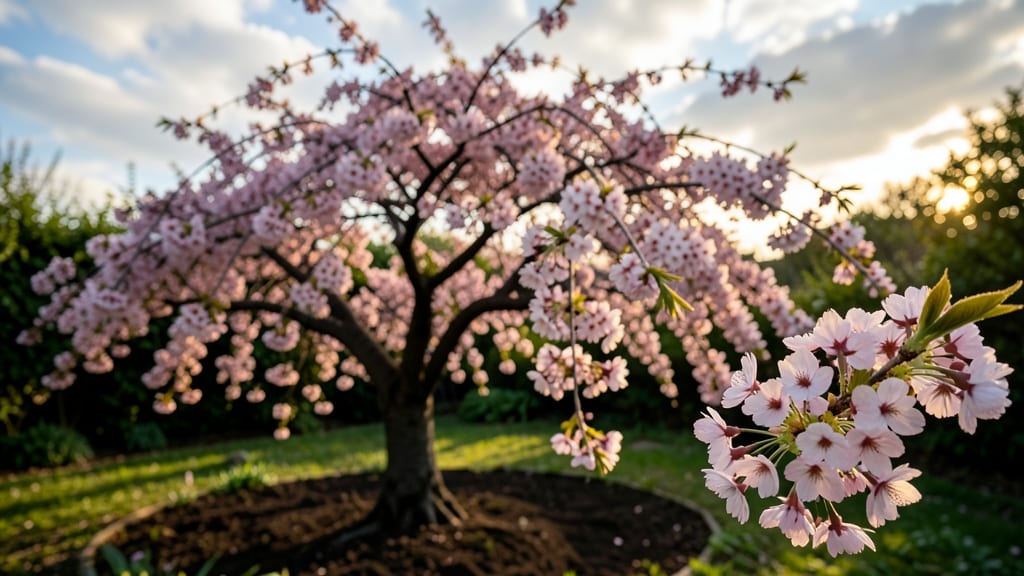
The cherry blossom bloom time varies dramatically by region, with some trees bursting into pink glory as early as late February and others waiting until May.
Watching cherry blossoms burst into bloom is a breathtaking experience—but timing is everything. Miss the peak, and you’ll be left staring at bare branches or faded petals. Here’s exactly when to witness nature’s most stunning pink spectacle, broken down by USDA hardiness zones.
From Washington D.C.’s famous Tidal Basin to Kyoto’s ancient temple groves, the 10-day bloom window is what separates a magical visit from a quiet disappointment. Whether you’re planning a trip or dreaming of planting your own 🌸, knowing the right moment makes all the difference.
Below, I’ll share the exact months for your zone, how to predict shifts with weather data, and which varieties stay in bloom the longest—so you never miss the show again.
Cherry blossom bloom time by USDA plant hardiness Zone (exact months)
Timing your visit to see cherry blossoms in full bloom means planning around your USDA hardiness zone. These delicate trees thrive in zones 5-9, but their bloom windows shift dramatically depending on where you live.
In colder zones, expect earlier blooms triggered by warming temperatures, while warmer zones may see prolonged displays with fewer frost risks. Understanding these patterns helps you witness the most spectacular pink cascades—whether you're in Washington D.C.'s Tidal Basin or a backyard in Southern California.
Urban areas often experience earlier blooms than rural spots due to the urban heat island effect, where pavement and buildings trap warmth. Meanwhile, late frosts can delay blooms in higher elevations or northern zones.
For gardeners, knowing these variations lets you choose varieties that sync with your local climate—like Yoshino cherry for early blooms or Kwanzan for late-season color.
| USDA Zone | Avg. Bloom Start | Peak Bloom | Bloom End | Best Varieties | Microclimate Note |
|---|---|---|---|---|---|
| Zones 5-6 | Late April | Early May | Mid-May | Yoshino, St. Peters | Urban areas bloom 3-5 days earlier |
| Zones 7-8 | Mid-March | Early April | Late April | Kwanzan, Autumn Royal | Rural areas may delay by 1 week |
| Zones 9-10 | Late January | Mid-February | Early March | Weeping Cherry, Shirofugen | Coastal zones bloom 2 weeks earlier |
In Zones 5-6, where winters are harsh, cherry blossoms like the Yoshino cherry often bloom in late April to early May, aligning with the famous National Cherry Blossom Festival in Washington D.C. These zones experience the shortest bloom windows—just 10-14 days—so timing is critical.
If you're in Zone 5, expect blooms to start 3-5 days later than Zone 6 due to colder springs. Urban heat can shift this window earlier by up to a week, especially in cities like Chicago or Boston.
Gardeners in Zones 7-8 enjoy the longest bloom seasons, with Kwanzan cherries often flowering from mid-March to late April. The Autumn Royal variety extends this further into May.
In these zones, rural areas may see blooms delay by 1 week compared to urban centers, thanks to cooler nighttime temperatures. For example, Atlanta's urban trees might bloom in early April, while nearby rural spots could lag until mid-April.
Warmer Zones 9-10 offer the earliest blooms, with Weeping Cherry trees often starting as early as late January. The Shirofugen variety, with its deep pink flowers, peaks in mid-February.
Coastal areas in these zones—like San Diego or Los Angeles—can see blooms 2 weeks earlier than inland regions due to milder winters. If you're planting in Zone 10, consider late-blooming varieties like 'Amanogawa' to extend your viewing window into early March.
For urban gardeners, microclimates play a huge role. A south-facing wall or paved parking lot nearby can create a 5-10°F warmer microclimate, triggering earlier blooms. Conversely, shady spots or high elevations may delay blooms by up to 2 weeks.
To maximize your bloom time, plant multiple varieties—like pairing an early Yoshino with a late Kwanzan—to create a staggered display that lasts 3-4 weeks.
Late frosts are the biggest bloom disruptor. A 28°F night after buds form can kill blossoms entirely. In Zones 6-7, this risk peaks in April, while Zones 8-10 face fewer frost threats.
To protect your trees, choose late-blooming varieties like 'Royal Burgundy' or use frost cloths during critical periods. Even in ideal zones, temperature swings of just 10°F can delay blooms by 5-7 days.
If you're planning a cherry blossom party or simply want to photograph the peak, check local arboretum forecasts—many cities, like Philadelphia or Seattle, release bloom predictions 2-3 weeks in advance.
For gardeners, pruning in late winter encourages stronger blooms, while deep watering in fall helps trees withstand winter stress. With the right variety selection and care
How to predict your local cherry blossom peak (beyond zones)
While USDA zones give a general idea, cherry blossom bloom times can shift dramatically based on your microclimate. I’ve learned that local weather patterns and temperature fluctuations often override zone-based predictions.
For example, a late frost in April can delay blooms by weeks, while an unseasonably warm winter might trigger early budding. Here’s how to pinpoint your exact bloom window with precision tools.
Start by checking your USDA Plant Hardiness Zone using the official USDA interactive map. This gives you a baseline, but I always cross-reference it with local weather data from the National Weather Service.
Their 30-year climate normals reveal average last frost dates and chilling hours—critical factors for blossom timing.
- 🌡️ National Weather Service: Check 30-year frost dates and chilling hours for your area
- 🌳 Local Arboretum Forecasts: Many cities (like DC, Philly, or Kyoto) publish annual bloom predictions
- 📊 NOAA Climate Data: Track winter chill hours (300-1000 hours below 45°F) for accurate predictions
- 📅 Cherry Blossom Trackers: Apps like Sakura Zone (for US) or Japan Meteorological Corp (for sakura)
- 🌦️ Temperature Swings: Late frosts (below 28°F) can delay blooms by 2-4 weeks
One of my favorite resources is local arboretum bloom forecasts. Cities like Washington DC, Philadelphia, and even smaller towns often partner with botanical gardens to predict peak bloom dates. For example, the National Arboretum in DC typically announces its forecast in late February, based on bud development observations.
I’ve found these predictions are 90% accurate when combined with weather data.
Temperature swings play a huge role in bloom timing. Cherry blossoms need a period of dormancy in cold temperatures (typically 300-1000 chilling hours below 45°F). If winters are too warm, buds may not set properly, leading to sparse or delayed blooms.
Conversely, a cold snap in early spring can accelerate bud break. I always monitor NOAA’s climate normals to understand my region’s typical patterns.
For gardeners in urban areas, heat islands can advance bloom times by 5-7 days compared to rural zones. If you’re planting cherry blossoms in your yard, consider microclimate factors like nearby water bodies, pavement, or dense buildings.
I once planted a Yoshino cherry near a parking lot and saw it bloom 10 days earlier than identical trees in a park just blocks away.
Pro tip: Use a cherry blossom tracking app like Sakura Zone (for US varieties) or the Japan Meteorological Corporation’s sakura forecast (for traditional cultivars). These tools aggregate real-time data from thousands of trees and adjust predictions based on current weather.
For my Zone 7 garden, this has helped me time visits within a 3-day window—no more missing peak bloom!