
Blooming
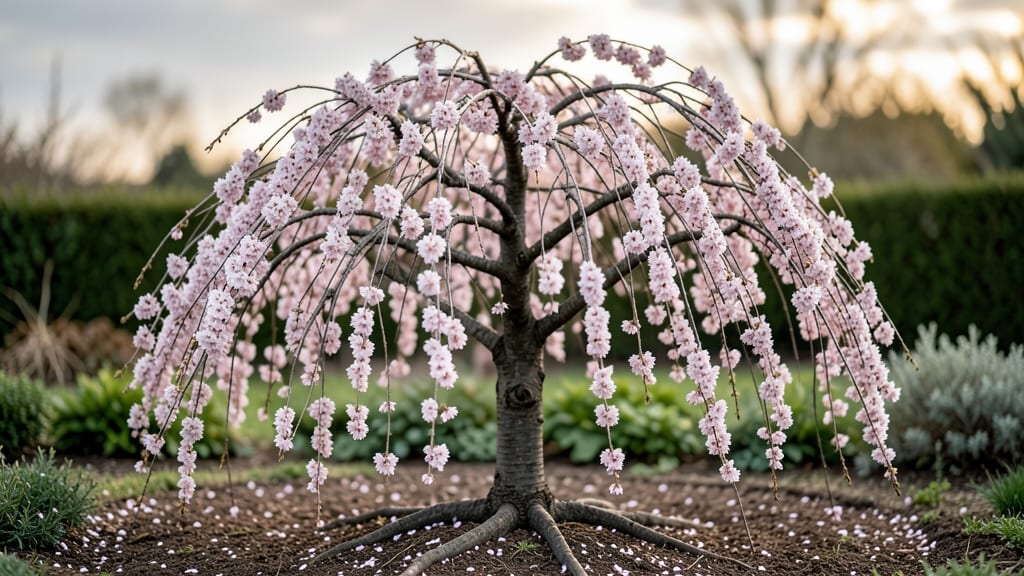
Weeping cherries bloom in late spring 🌸, but the exact timing depends on the variety and your climate zone.
Picture this: your garden transformed into a soft pink cloud for weeks, but only if you plant the right types together. Some weeping cherries burst into bloom in early April, while others wait until May—missing that window means fewer flowers and a shorter show.
In USDA Zone 6a, where most gardeners live, timing is everything. A late frost can delay blooms, while warm winters might push them earlier. Knowing your tree’s tendencies lets you plan pruning, companion plants, and even when to expect those coveted petals.
Below, I break down the bloom schedules for top varieties, how to stretch your tree’s flowering season, and the simple tricks to guarantee a longer, brighter display year after year.
Weeping cherry bloom time by variety: month-by-month guide
Timing your weeping cherry blooms is key to creating a stunning spring garden. These graceful trees offer pink, white, or red blossoms that can last 1-2 weeks depending on the variety and climate. Understanding each cultivar's bloom window helps you plan for maximum impact.
Bloom times vary by USDA hardiness zone and microclimate. Warmer southern regions may see blooms 2-4 weeks earlier than northern areas. For example, in Zone 6, expect blooms in late April, while Zone 8 can enjoy them as early as February.
Here’s a month-by-month breakdown of popular weeping cherry varieties, including their typical bloom periods and regional adjustments. Use this guide to select varieties that align with your desired spring display timeline.
Pro Tip: For a prolonged bloom season, mix early, mid, and late bloomers in your landscape design. This creates a staggered floral show that lasts 4-6 weeks.
If you live in Zone 7 or warmer, adjust bloom times 2-3 weeks earlier. For example, 'Tieton' may bloom in late February instead of March. Conversely, Zone 4 gardeners should expect blooms 1-2 weeks later than the table suggests.
For northern climates, late frosts can delay blooms. Choose hardier varieties like 'Stella Pink', which tolerates Zone 4 temperatures better than 'Kwanzan'. Always monitor your local frost dates to avoid damage to delicate blossoms.
To maximize your weeping cherry's bloom potential, plant it in full sun (6+ hours daily) and well-draining soil. Prune in late winter to remove dead wood and shape the tree, but avoid heavy pruning 2-3 months before blooming season to preserve flower buds.
Pair early bloomers like 'Tieton' with late bloomers like 'Kwanzan' to create a continuous spring spectacle. Add companion plants like daffodils or tulips to extend your garden's color palette beyond the cherry's bloom cycle.
Remember, tree age affects bloom time too. Younger trees (under 5 years) may bloom 1-2 weeks later than mature specimens. Patience pays off—your weeping cherry will reward you with show-stopping blossoms for decades.
How to extend your weeping cherry bloom season naturally
Want your weeping cherry to burst into bloom for weeks instead of just a few days? With the right care, you can naturally extend that pink and white floral spectacle by up to 2-3 weeks.
The key lies in mimicking ideal growing conditions and strategic maintenance. Let's dive into the proven methods that transform a brief burst of blossoms into a prolonged spring display.
Most gardeners focus only on pruning timing or watering frequency, but the real secret is combining multiple factors. Your weeping cherry's health determines how long it will flower, and small adjustments can make a dramatic difference.
From soil amendments to companion planting, each element plays a crucial role in prolonging those delicate blossoms.
- 🌱 Prune at the right time: Trim spent blooms immediately after flowering (late spring) to redirect energy to new growth. Avoid heavy pruning in fall or winter.
- 💧 Deep water weekly: Provide 10-20 gallons of water per tree during bloom season. Water early morning to prevent fungal issues.
- 🌿 Amend soil with compost: Mix 3-4 inches of organic matter into the root zone annually. Aim for 6.0-7.0 pH for optimal nutrient uptake.
- ☀️ Ensure full sun exposure: Place your tree where it gets 6+ hours of direct sunlight daily. South-facing locations work best in northern climates.
- 🌸 Plant companions wisely: Surround with dwarf conifers or perennials like hostas to create microclimates that retain moisture and moderate temperature.
- ✂️ Thin out dense branches: Remove 20-30% of inner growth annually to improve air circulation and reduce stress on the tree.
One of the most overlooked factors is soil moisture consistency. Weeping cherries thrive when their roots receive steady hydration, especially during bud formation in late summer. I recommend installing a soaker hose near the drip line to deliver water slowly and evenly.
This mimics natural rainfall patterns and prevents the stress that causes early bloom drop.
For extended flowering, consider adding a light layer of mulch (2-3 inches) around the base of your tree. Organic mulch like wood chips or shredded bark helps maintain even soil temperatures and reduces water evaporation.
Just keep the mulch 6 inches away from the trunk to prevent rot. This simple step can extend your bloom season by 10-15 days.
Don't forget about nutrient timing. Apply a balanced fertilizer (10-10-10) in early spring when buds begin to swell, then again in early summer. Avoid heavy applications in late summer or fall, as this can stimulate tender new growth that won't harden off before winter.
The goal is to feed your tree just enough to support prolonged flowering without sacrificing winter hardiness.
With these natural extension techniques, you'll transform your weeping cherry from a brief spring highlight into a month-long floral centerpiece. The best part? These methods require minimal effort and no chemicals—just smart gardening practices that work with nature.
Start implementing these tips this season and enjoy longer-lasting blossoms year after year! 🌸