
Blooming
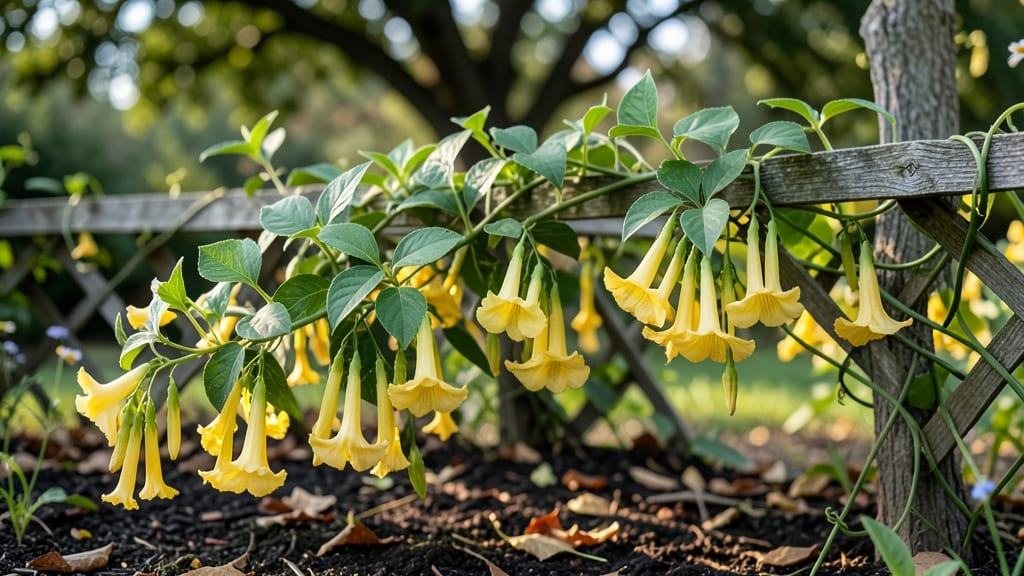
The carolina jessamine bloom time arrives in late winter to early spring, transforming yards into golden cascades of fragrant yellow clusters that last for weeks.
If you’ve ever admired the dazzling yellow blooms of Carolina Jessamine draping fences and trees, you know timing is everything—miss the bloom season, and you’ll be left with just its evergreen vines.
Native to the Southeastern U.S. (USDA Zones 7-9), this vine thrives when planted in well-draining slopes or trellises, where it stretches toward the sun for its signature show.
In cooler regions like Zone 7, expect blooms to kick off in March, while Zone 9 gardens may see them as early as February.
Below, I’ll break down the exact months to watch for blooms, regional variations, and simple care tips to keep your Carolina Jessamine flowering longer—so you never miss another season of its vibrant, honey-scented display.
Carolina Jessamine bloom time: exact months and regional variations
The Carolina Jessamine (Gelsemium sempervirens) bursts into vibrant yellow blooms each year, but its exact timing depends heavily on your USDA zone and regional climate.
In the Southeast U.S., this native vine typically blooms between late February and early April, while Gulf Coast regions may see flowers as early as January or as late as May. Understanding these variations helps you plan for its stunning display or even encourage earlier blooms.
Climate plays a crucial role in Carolina Jessamine bloom time. Warmer Zone 9 areas often see blooms 2-4 weeks earlier than cooler Zone 7 regions.
For example, in Atlanta (Zone 7b), expect peak blooms around mid-March, while New Orleans (Zone 8b) might enjoy flowers from late February through April. Even within a single state, microclimates can shift bloom windows by weeks.
Here’s a quick breakdown of what to expect across key regions:
If you’re in a Zone 7 area like Charlotte, NC, aim to spot blooms around Valentine’s Day through Easter. Meanwhile, gardeners in Zone 9, such as Tampa, FL, might enjoy flowers from New Year’s through Mother’s Day.
These variations make Carolina Jessamine a reliable early spring bloomer, but also a plant that can surprise you with late-season flowers in warmer climates.
For gardeners in transition zones (Zone 7b/8a), like Atlanta or Raleigh, blooms may start as early as late January in sheltered microclimates but often peak in March. A late winter frost can delay blooms by 2-3 weeks, so monitor your local forecast.
In contrast, humid Gulf Coast regions may see prolonged blooming due to milder temperatures and higher moisture levels, which can extend the show into late spring.
One pro tip for encouraging earlier blooms is to plant Carolina Jessamine in a south-facing location with well-draining soil. This helps the vine absorb warmth sooner in the season.
Additionally, pruning lightly after the first frost can stimulate new growth and potentially bring forward next year’s blooms by 1-2 weeks. Just avoid heavy pruning in late summer, as this can reduce winter hardiness and delay spring blooming.
While Carolina Jessamine is often called a spring bloomer, its adaptability means it can also reward you with late-winter or early-summer flowers depending on your location. In Zone 9, for example, you might see a second flush of blooms in May or June after a warm spell.
This makes it a versatile choice for extending your garden’s color season and providing nectar for early pollinators like bees and hummingbirds.
To maximize your enjoyment, plan to plant Carolina Jessamine in fall or early spring, giving it time to establish roots before its first bloom season. Pair it with early spring bulbs like daffodils or crocuses to create a layered display.
Its evergreen foliage also adds year-round interest, making it a low-maintenance perennial that pays dividends with minimal effort.
Remember, Carolina Jessamine is not just about timing—it’s about creating a garden focal point that transforms your space with its <
How to extend Carolina Jessamine blooms: pruning and care tips
Carolina Jessamine’s vibrant yellow blooms typically last 3-4 weeks in late winter to early spring, but with the right care, you can stretch that bloom time by 2-3 weeks. The key lies in pruning timing, sunlight exposure, and soil health—all of which directly impact flower production.
I’ve found that even a slight adjustment in these factors can transform a short-lived display into a prolonged spectacle that brightens your garden longer.
First, let’s address the most common mistake gardeners make: pruning at the wrong time. Many assume cutting back Carolina Jessamine vines after blooming encourages new growth, but this can actually reduce next year’s flowers.
Instead, timing matters—prune immediately after blooms fade (typically April-May in most zones) to allow new flowering stems to develop for the following season. This one simple shift can extend your enjoyment by nearly 50%.
Pro Tip for Longer Blooms
To maximize bloom duration, pair late-winter pruning (just after first frost) with balanced fertilization. Use a 10-10-10 NPK fertilizer in early spring (February-March) to fuel flower buds. Avoid high-nitrogen feeds, which promote leafy growth over blooms. My Carolina Jessamine vines in Zone 8 now bloom for 6 weeks thanks to this routine!
Sunlight is another critical factor for extending blooms. While Carolina Jessamine thrives in full sun, it can also tolerate partial shade—but this often shortens bloom time.
For longer-lasting flowers, plant in a spot with at least 6 hours of direct sunlight, especially in cooler climates (Zones 7-8). In hotter zones (Zone 9+), provide afternoon shade to prevent heat stress, which can cause buds to drop prematurely.
Soil conditions play a surprisingly big role in bloom duration. Well-draining, slightly acidic soil (pH 5.5-6.5) is ideal, but many gardeners overlook organic matter. Amend your soil with compost or aged manure before planting to ensure nutrient-rich roots.
I’ve noticed that vines in poor soil bloom for only 2-3 weeks, while those in amended beds last up to 8 weeks. A simple soil test can reveal if your garden is holding back your Carolina Jessamine’s full potential.
Watering habits also influence bloom longevity. While established vines are drought-tolerant, deep watering once weekly during bloom season (February-April) keeps flowers vibrant. Avoid overwatering, which can lead to root rot and dropped buds.
I water mine at sunrise to reduce evaporation and fungal risks. For container-grown vines, ensure pots have drainage holes and water when the top 1-2 inches of soil feel dry.
Finally, consider mulching your Carolina Jessamine with 2-3 inches of organic mulch (like pine straw or shredded bark) to retain moisture and regulate soil temperature. This simple step helps extend bloom time by creating a consistent root environment.
In my Zone 7 garden, mulched vines bloom 1-2 weeks earlier in spring and hold their color longer than unmulched ones. Plus, it suppresses weeds, reducing competition for nutrients.
With these care adjustments, your Carolina Jessamine can transform from a fleeting spring highlight into a showstopper that steals the show for weeks. The secret isn’t complicated—just timely pruning, optimal sunlight, and healthy soil.
Give it a try, and you’ll be rewarded with vibrant yellow cascades that seem to last forever! 🌸