
Blooming
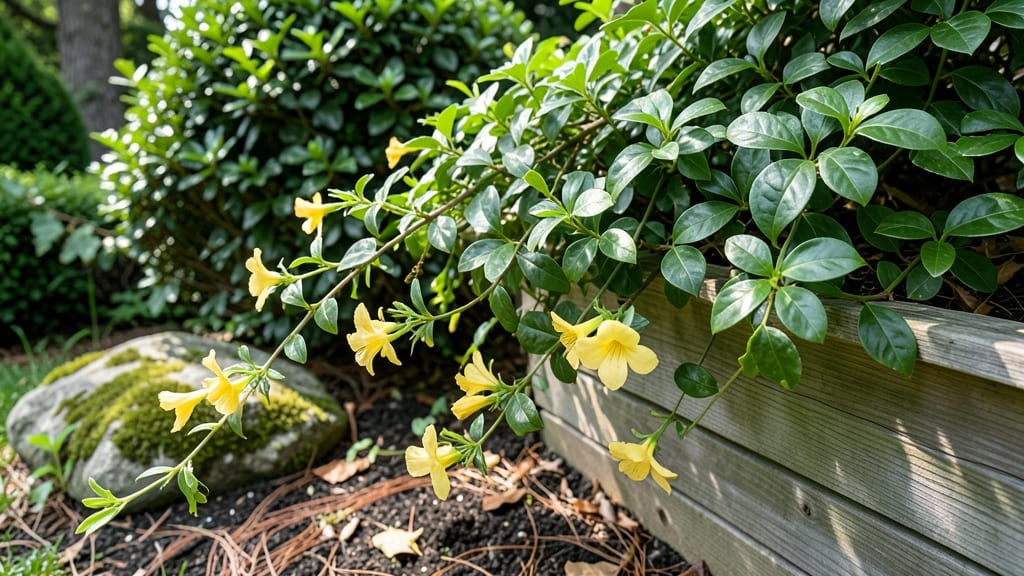
Carolina jasmine blooms in late spring through early summer 🌸, with its fragrant white clusters arriving like clockwork once you know the zone-specific timing.
If you love the intoxicating fragrance of Carolina jasmine but struggle to time its blooms, you’re not alone—this fast-growing vine’s flowering schedule depends entirely on your hardiness zone.
Whether you’re in Zone 7 or Zone 10, knowing the exact months to expect those sweet-smelling blooms can mean the difference between a full-season display and a few fleeting clusters.
Most gardeners in Zones 7-10 see the first flush of blooms between May and June, with a second wave in late summer if you prune correctly.
But warmer climates like Zone 10 can push that timeline back to April or even March, while cooler Zones 7 may wait until June. The key? Understanding how temperature shifts affect your vine’s natural rhythm—and how a little extra care can stretch those blooms into fall.
In this guide, I’ll break down the exact bloom windows by zone, share pruning secrets to encourage reblooms, and reveal the simple tricks that keep your Carolina jasmine perfuming your garden from spring until frost. Ready to turn those fragrant clusters into a year-round highlight?
Carolina jasmine bloom schedule by USDA hardiness Zone (with exact months)
Timing your Carolina jasmine blooms starts with knowing your USDA hardiness zone. This fragrant vine thrives in Zones 7-10, but its bloom windows shift dramatically depending on whether you're in the cooler Zone 7 or the balmy Zone 10.
The first flush of white, star-shaped flowers typically arrives in late winter to early spring, with a potential fall rebloom in warmer climates.
Understanding these patterns helps you plan pruning, fertilize at the right time, and even extend the flowering season. For example, in Zone 7, expect your vine to wake up earlier—sometimes as soon as February—while Zone 10 gardeners might see blooms linger into November.
Temperature swings can also delay or advance flowering, so let's break down what to expect where you live.
Carolina jasmine is a spring ephemeral, meaning it blooms early before summer heat sets in. However, in Zones 9-10, it often produces a second flush in fall when temperatures dip slightly. The key is consistent moisture and partial shade to keep those fragrant clusters coming.
In Zone 7, where winters are colder, your Carolina jasmine will burst into bloom as soon as soil temperatures hit 50°F. This often means February or even late January in sheltered microclimates.
The trade-off? These early blooms are more frost-sensitive, so watch for late-winter freezes that can nip buds prematurely.
Moving to Zone 8, you gain a fall rebloom advantage. After the initial spring flush (typically March-April), your vine may reward you with September-October blooms if temperatures stay mild. This second flush is often less abundant but equally fragrant—a lovely bonus for autumn gardeners.
Gardeners in Zones 9-10 enjoy the longest bloom windows of all. Your Carolina jasmine might start flowering as early as January and continue through November, with minimal breaks.
The secret? Consistent warmth and even moisture prevent stress-induced dormancy. However, heatwaves over 90°F can cause buds to drop prematurely, so light shade cloth helps in peak summer.
Extreme temperatures—whether unseasonably cold snaps or prolonged heatwaves—can disrupt blooming. For example, a sudden frost in Zone 8 might kill spring buds, while a drought in Zone 10 can cause buds to abort before opening.
To protect your blooms, mulch heavily in winter and water deeply during heatwaves to maintain soil moisture.
Pro tip: Deadhead spent blooms in Zones 7-8 to encourage reblooming, even if it’s just a small second flush. In Zones 9-10, prune lightly after the first bloom wave to redirect energy to fall flowers.
This strategic pruning can extend your fragrant display by 2-3 months in warmer climates.
If you're in Zone 7 and miss the fall fragrance, consider container growing. Potted Carolina jasmine can be moved to a garage or sheltered porch in late fall, then brought back outdoors in spring.
This trick preserves the vine and sometimes triggers a delayed fall bloom the following year.
No matter your zone, Carolina jasmine rewards patience with its intoxicating scent
How to extend Carolina jasmine bloom time with pruning and care
Carolina jasmine (Gelsemium sempervirens) typically blooms in late spring to early summer, but with the right care, you can encourage reblooms throughout the season. The key lies in strategic pruning, proper watering, and understanding its light needs.
Unlike some jasmine varieties, Carolina jasmine responds well to pruning after its first flush of blooms—this signals the plant to produce new growth and flowers.
Many gardeners miss the rebloom window because they prune at the wrong time or overlook seasonal adjustments. In USDA Zones 7-9, the second bloom often appears in late summer or early fall, while Zone 10 plants may rebloom as early as June or July.
To maximize your vine’s potential, focus on timing, soil health, and light exposure—all of which I’ll break down step by step.
⚠️ CRITICAL STYLED LIST: Essential Pruning & Care Steps
- 1. Post-Bloom Pruning: Trim 1/3 of the vine immediately after the first spring bloom fades. Focus on dead or weak stems first.
- 2. Light Pruning: Lightly shape the vine in early summer to encourage airflow and sunlight penetration. Avoid heavy cuts—this stresses the plant.
- 3. Fertilize Strategically: Use a balanced 10-10-10 fertilizer in early spring and mid-summer to fuel reblooming. Skip fall/winter feeds—it promotes tender growth.
- 4. Watering Rules: Deep-water once weekly in spring/summer (reduce to bi-weekly in fall). Morning watering prevents fungal issues from damp foliage.
- 5. Light Adjustments: If blooms fizzle in summer, move the vine to partial shade (e.g., morning sun + afternoon shade). Too much direct afternoon sun can scorch blooms.
One of the biggest mistakes gardeners make is pruning too late in the season. If you cut back Carolina jasmine in late summer or fall, you’ll likely lose next year’s blooms because the plant needs time to harden off before winter.
Instead, plan your pruning in three phases: post-first-bloom, mid-season shaping, and minimal winter cleanup. This approach keeps the vine healthy and productive year after year.
For reblooms to thrive, your Carolina jasmine also needs well-draining soil with a slightly acidic pH (6.0-7.0). Amend heavy clay soil with compost or pine bark to improve drainage—waterlogged roots stunt flowering.
I’ve found that adding a 2-inch layer of mulch around the base in spring helps retain moisture while keeping roots cool during hot spells.
Watch for yellowing leaves or sparse blooms—these are red flags. Yellowing often signals overwatering or nutrient deficiency, while sparse blooms may mean too much shade or lack of pruning.
Adjust your care routine based on these clues, and don’t hesitate to transplant if the vine outgrows its spot. Carolina jasmine is adaptable but hates competition from aggressive roots.
With these techniques, you’ll enjoy fragrant blooms from spring through fall. Start with post-bloom pruning this season, and your vine will thank you with prolonged fragrance and lush growth—perfect for trellises, arbors, or fences. 🌸