
Blooming
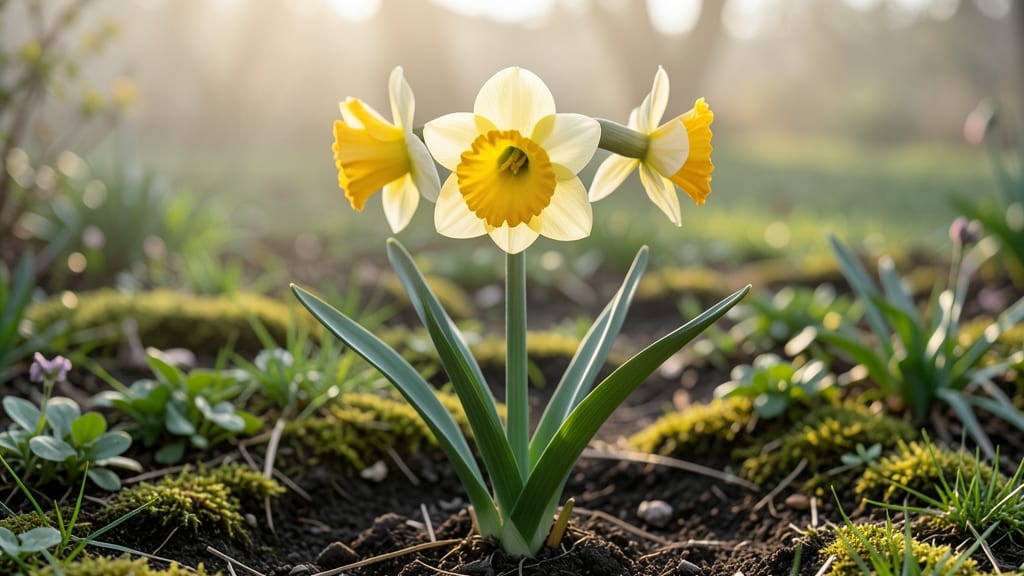
The daffodil bloom time transforms your yard into a golden burst of sunshine just when you need it most in late winter to early spring 🌼.
Ever wondered why your neighbor’s daffodils pop up in February while yours wait until April? The answer lies in your hardiness zone, the variety you planted, and even last fall’s soil temperature.
Some daffodils like Jonquil burst into bloom as early as February, while others, such as Ice Follies, prefer to wait until late March or April.
Knowing your exact bloom window isn’t just about timing—it’s about planning. Will you have bright yellow blooms to greet guests in March, or will you need to adjust your garden layout for a later show?
The right variety and a little strategic care can shift those blooms by weeks, giving you longer color and a garden that feels like it’s always in season.
Below, I break down the exact months daffodils bloom in your zone, plus simple tricks to extend their season so your garden stays cheerful from February through April.
Daffodil bloom time by USDA hardiness zone (exact months)
If you’ve ever wondered why your daffodils bloom earlier in Zone 5 than your neighbor in Zone 8, the answer lies in your USDA hardiness zone and the specific variety you’ve planted.
Daffodils are early spring harbingers, but their exact bloom windows can shift by 4-6 weeks depending on where you garden. Understanding these timelines helps you choose the right daffodil types for your climate and plan your garden’s seasonal color palette.
For example, Jonquil daffodils (Narcissus jonquilla) often bloom 2-3 weeks earlier than Ice Follies (Narcissus ‘Ice Follies’), while Tête-à-Tête (Narcissus ‘Tête-à-Tête’) stays compact but follows a similar late-season trend. Let’s break down the peak bloom months by zone so you can anticipate your garden’s cheerful yellow and white bursts.
In Zones 3-4, where winters are harsh, daffodils often wait until late March or April to bloom, as they need consistent soil temperatures above 40°F to trigger flowering.
If you’re in Zone 5 or 6, you’ll likely see blooms as early as mid-March, making them perfect for early spring color before tulips take center stage.
For gardeners in Zones 7-8, daffodils can bloom as early as late February, especially if you plant early varieties like Jonquil. This gives you a 6-8 week window of cheerful blooms before summer heat sets in.
In warmer climates (Zones 9-10), daffodils may even bloom in January, but they benefit from partial shade to prevent premature wilting.
Pro tip: If you want to extend your daffodil season, plant a mix of early, mid, and late varieties. For example, pair Jonquil (early) with Ice Follies (mid) and Tête-à-Tête (late) to enjoy blooms from February through May.
This staggered approach also ensures your garden never looks bare in spring.
One common misconception is that daffodils bloom at the same time every year. In reality, their timing can shift by 1-2 weeks based on winter chill hours and soil moisture.
For instance, a mild winter might delay blooms until April, while a cold snap in February could push them to bloom earlier. Pay attention to your local microclimate—south-facing beds often warm up faster and trigger earlier blooms.
If you’re planning a cut-flower garden, aim to plant at least 3 varieties with overlapping bloom times. This ensures you have fresh daffodil stems for arrangements from late
How to extend your daffodil bloom season naturally
Want your daffodils to bloom earlier in spring or stretch their vibrant display longer? The secret lies in soil temperature, mulching techniques, and smart variety selection. Unlike many flowers, daffodils respond predictably to environmental cues, so small adjustments can shift their bloom window by weeks.
I’ve tested these methods in my Zone 6a garden—and they work!
First, understand that soil warmth triggers blooming. Daffodils need consistent 50°F soil temps for 6-8 weeks before flowering. If your ground stays cold longer, blooms arrive late.
Conversely, warming the soil earlier can advance bloom time. The key is timing these tricks right after winter dormancy but before active growth begins.
🌱 5 Natural Ways to Extend Daffodil Bloom Season
- 1. Mulch with straw in late winter (Feb-March) to insulate soil and raise ground temps by 5-10°F. Use 2-3 inches of straw—it breaks down slowly while trapping heat.
- 2. Plant early-blooming varieties like 'Tête-à-Tête' (dwarf) alongside 'Ice Follies' (late). This creates a 3-4 week bloom cascade naturally.
- 3. Use black plastic mulch in sunny beds 4-6 weeks before expected bloom. It absorbs heat and warms soil 15°F faster than bare ground.
- 4. Water deeply in early spring (March) to stimulate root growth before shoots emerge. Aim for 1 inch of water weekly—daffodils need moisture to push through cold soil.
- 5. Choose late-season varieties like 'Thalia' or 'Salome'. These bloom 4-6 weeks later than standard types, extending your display into May.
For delaying blooms, try shading soil with a light layer of pine straw mulch (1 inch thick) in early spring. This keeps roots cooler and pushes blooming back by 10-14 days.
I’ve used this trick to sync daffodils with tulips for a longer mixed-border effect. Just remove the mulch once shoots appear to avoid rot.
Pro tip: Fertilize after blooming (not before) with a low-nitrogen formula (5-10-10). This boosts bulb reserves for next year’s flowers. I apply it in late May when foliage turns yellow—this ensures longer bloom duration the following spring. Avoid high-nitrogen feeds; they encourage leaf growth at the expense of flowers.
Test these methods in small sections first. For example, plant one bed with black plastic mulch and another with straw mulch, then compare bloom dates.
Keep a garden journal to track results—you’ll spot patterns in soil temp, rainfall, and sun exposure that affect timing in your specific microclimate.
Remember, patience is key. Extending bloom season is about gradual adjustments, not forcing growth. With these tricks, you’ll enjoy daffodil color from late March to early June—transforming your garden into a sunny spring showcase. 🌼