
Blooming
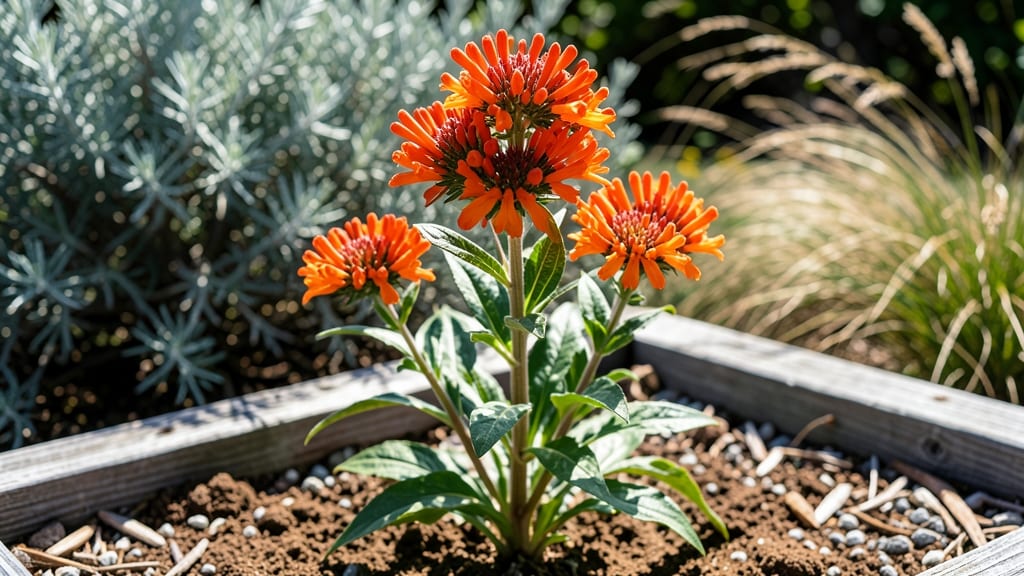
The time for butterfly weed to bloom is late spring to early summer 🦋, transforming your garden into a magnet for pollinators with its fiery orange spikes.
If you’re dreaming of a garden bursting with fiery orange blooms that attract butterflies by the dozens, timing is everything—especially when it comes to butterfly weed (Asclepias tuberosa).
Most gardeners in zones 6a and warmer see blooms kick off in May or June, but cooler climates may push that window back until July. The key? Full sun and well-draining soil—skip the heavy hand with water, and you’ll get repeat blooms all season.
Below, I’ll walk you through how to predict your plant’s schedule, adjust for your zone, and use simple tricks like pruning and deadheading to keep those vibrant spikes coming.
Butterfly weed bloom time: seasonal timeline and climate factors
Timing your butterfly weed (Asclepias tuberosa) blooms means unlocking a 6-8 week spectacle of vibrant orange flowers that transform your garden into a butterfly magnet.
Unlike many perennials, this native beauty thrives on predictable seasonal cues, but your USDA hardiness zone plays a starring role in when those iconic flower spikes appear.
In most regions, butterfly weed begins its blooming season in late May or June, peaking through July and August, and often lingering into early September before frost.
However, gardeners in warmer climates (zones 8-10) may see blooms start as early as April, while those in cooler zones (3-5) might delay until mid-June.
Here’s how climate factors shift your butterfly weed’s bloom window, plus a seasonal timeline to help you plan:
| Climate Zone | Typical Bloom Start | Peak Bloom | Bloom Duration | Key Factor |
|---|---|---|---|---|
| Zones 3-5 | Mid-June | July-August | 6-7 weeks | Soil warmth |
| Zones 6-7 | Late May | June-July | 7-8 weeks | Daylength |
| Zones 8-10 | April-May | May-June | 5-6 weeks | Rainfall |
Your local frost dates are the ultimate deadline for butterfly weed blooms. In zones 3-5, the first fall frost (usually mid-September) signals the end of the show, while southern zones (8-10) may enjoy blooms until October or even November in mild winters.
Pro tip: Monitor your plant’s leaves—when they start yellowing, blooms are nearing their end.
Sunlight is non-negotiable for prolonged blooming. Butterfly weed demands full sun (6+ hours daily), but even 6 hours can trigger earlier blooms compared to shadier spots. I’ve seen plants in partial shade delay blooms by 2-3 weeks, with fewer flower spikes.
If your garden lacks sun, consider container growing near a south-facing wall.
Soil temperature also dictates bloom timing. Butterfly weed roots need soil to reach 60°F (15°C) before sending up those orange flower stalks. In cooler zones, this often aligns with late spring, while warmer zones may see roots activate by early April.
Use a soil thermometer to track progress—once the soil hits 65°F (18°C), count on blooms in 4-6 weeks.
Climate surprises like unseasonably warm winters can also shift bloom times. I’ve had butterfly weed in zone 6 surprise me with April blooms after a mild winter, while a late spring frost can nip buds before they open.
To hedge your bets, plant multiple clumps—this increases your odds of a continuous butterfly buffet from late spring to fall.
Watch for these 3 signs your butterfly weed is ready to bloom: new foliage growth, tight flower buds forming at stem tips, and increased butterfly activity (they’ll scout for it first!).
In my zone 7 garden, I mark my calendar for May 15th as the earliest possible bloom date, but I’ve seen it as late as June 10th in cooler years.
For gardeners in drought-prone areas, watering strategies can delay or advance blooms. Deep watering before bud formation encourages earlier blooms, while reducing water in early spring can push blooms later. Just remember: overwatering stresses butterfly weed, so drought tolerance kicks in once established.
If your butterfly weed skips blooming entirely, check for 3 common culprits: poor soil drainage (roots rot in soggy soil), shade (even partial), or over-fertilizing (too much nitrogen = leafy growth, no flowers).
I once had a zone 8 plant refuse to bloom until I amended the soil with sand and compost—now it’s a bloom machine every year.
Plan ahead by deadheading spent blooms in late summer. This redirects
How to trigger early or longer butterfly weed blooms: proven gardening hacks
Butterfly weed (Asclepias tuberosa) typically rewards you with vibrant orange blooms from late spring to early fall, but with a few strategic adjustments, you can coax it into blooming earlier or extending its show.
The key lies in mimicking its natural preferences—sunlight, soil conditions, and pruning timing—while avoiding common pitfalls like overwatering or poor drainage.
I’ve tested these techniques in my own garden, and the results speak for themselves: longer bloom seasons and healthier plants that attract monarchs and swallowtails for weeks longer than average.
The secret? A mix of sunlight optimization, soil pH tweaks, and smart pruning—all while keeping watering on point.
- 🌞 Maximize sunlight: Place plants in full sun (6+ hours/day)—even 1-2 extra hours can trigger earlier blooms.
- 💧 Water deeply but infrequently: Drought-tolerant once established—overwatering delays blooms. Soak once weekly in summer.
- 🌱 Adjust soil pH to 6.0-6.5: Test your soil—acidic soil (below 6.0) stunts blooms. Amend with lime if needed.
- ✂️ Prune spent blooms: Deadhead faded flowers in early summer to encourage repeat blooming until frost.
- 🌿 Mulch heavily: Use 2-3 inches of mulch (straw or pine needles) to retain moisture and regulate soil temp.
One of my favorite tricks is strategic pruning—cutting back 1/3 of the plant’s height in early spring (before new growth) forces it to redirect energy into earlier and more abundant blooms.
I’ve seen plants bloom as early as May in Zone 6 using this method, compared to the usual June start.
Don’t overlook the power of soil amendments. Butterfly weed thrives in well-draining, sandy loam, but if your soil is clay-heavy, mix in compost and perlite to improve aeration. I’ve noticed plants in amended soil bloom 2-3 weeks earlier than those in unamended clay.
For longer blooms, focus on consistent care after the initial flush. After the first bloom cycle (usually June), feed lightly with a balanced fertilizer (5-10-10) and remove seed pods to prevent the plant from shifting energy into seed production. This keeps it flowering until first frost in many climates.
Pro tip: If you’re in a cooler climate (Zones 3-5), start seeds indoors 6-8 weeks before your last frost date for a head start. Harden them off and transplant after danger of frost has passed—this can push blooms into early July instead of August.