
Blooming
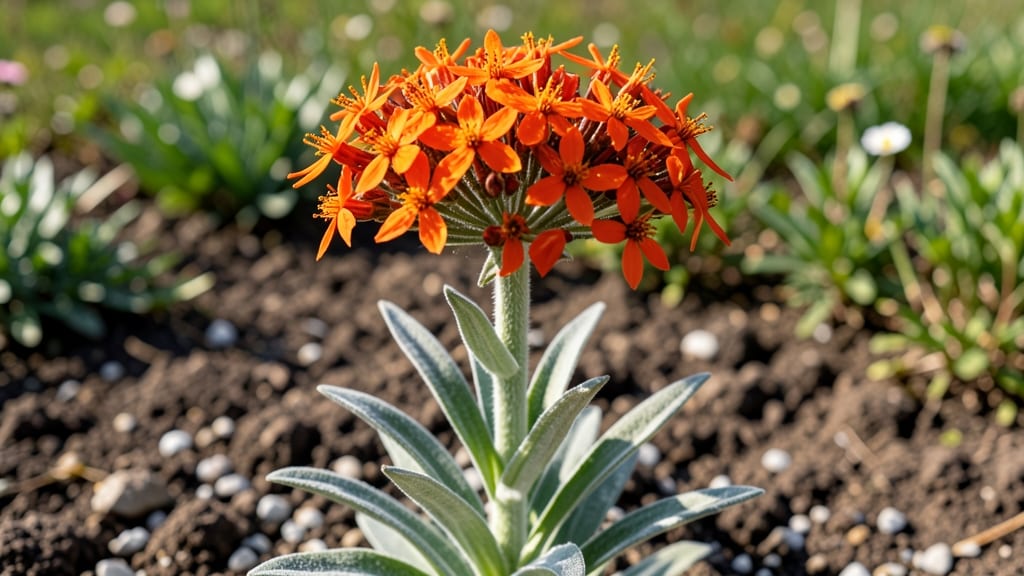
Asclepias tuberosa blooms in late June through August 🦋, turning gardens into a pollinator magnet—but the exact timing depends on where you live.
Picture this: your garden explodes with bright orange clusters, monarchs fluttering around like they’ve found a five-star resort. But miss the planting window, and you might be left with bare stems all summer. The good news? With the right timing, you can guarantee those stunning blooms year after year.
In USDA Zone 6a (like much of the Midwest), butterfly weed typically kicks off in late June, while southern zones see flowers as early as May.
Northern gardeners might wait until July—but the secret to extending that vibrant display lies in soil prep, sunlight, and a little deadheading know-how.
Below, I’ll break down the exact months for your zone, how to push blooms later into summer, and the one planting trick that ensures first-year flowers—no waiting around required.
Asclepias tuberosa bloom time by USDA hardiness Zone: month-by-month guide
The orange blooms of Asclepias tuberosa—your butterfly weed—peak between June and August, but exact timing shifts dramatically across USDA zones 3–10. In Zone 4, expect blooms to start in late June, while Zone 9 plants may begin as early as May.
Understanding these variations helps you plan for pollinator parties and garden photography sessions.
Sunlight exposure is the #1 factor influencing bloom timing. Plants in full sun (6+ hours/day) bloom 2–4 weeks earlier than those in partial shade. For example, a Zone 7 butterfly weed in full sun might flower in early June, while a shaded counterpart could wait until mid-July.
Soil moisture also plays a role—drought stress can delay blooms by 1–2 weeks in hotter zones.
Here’s how to visualize the month-by-month differences across zones, including early vs. late bloomers:
| USDA Zone | Early Bloomers | Peak Bloom | Late Bloomers | Notes |
|---|---|---|---|---|
| 3–4 | Late June | July–Early Aug | Mid-Aug | Short season; mulch to extend blooms. |
| 5–6 | Early June | June–July | Late July | Ideal for long bloom seasons. |
| 7–8 | Mid-May | June–Aug | Early Sept | Heat-tolerant; blooms may repeat. |
| 9–10 | April–May | May–July | Aug | Early blooms; may fade in extreme heat. |
In Zone 3, where summers are short, butterfly weed blooms late June through July, often finishing by early August. This makes timing critical—plant seeds indoors in March for outdoor transplanting by late May to ensure blooms align with pollinator activity.
In Zone 10, where winters are mild, plants may bloom as early as April, but extreme heat can cause flowers to wilt prematurely by mid-July.
Soil moisture directly impacts bloom duration. In arid zones (e.g., Zone 7b), deep watering once every 10–14 days extends blooms by 2–3 weeks compared to drought-stressed plants. Conversely, overwatering in Zone 9 can lead to root rot, cutting bloom time short. Aim for well-draining soil with 1–2 inches of water per week during peak bloom.
Sunlight exposure isn’t just about hours—light intensity matters too. Plants in Zone 5 with south-facing exposure bloom 10–14 days earlier than those in north-facing beds. If your garden lacks full sun, consider reflective surfaces (like white gravel) to mimic sunlight and encourage earlier blooms. This trick works especially well in Zone 4, where sunlight is limited.
Regional microclimates can shift bloom times by weeks. For example, Zone 6 gardens near large bodies of water (like lakes) may see delayed blooms due to cooler, humid air, while inland areas bloom earlier. Use local weather data to adjust your expectations—National Oceanic and Atmospheric Administration (NOAA) reports can help predict early vs. late bloom years.
To maximize bloom time, deadhead spent flowers weekly during peak season. This encourages secondary blooms in Zones 7–10, extending the display into early September.
In Zones 3–5, where summers are shorter, focus on mulching to retain soil moisture and protect roots from temperature swings that can stress plants.
If you’re planting butterfly weed for pollinator gardens, aim for Zone 6–8 where blooms align with monarch butterfly migration (June–August). In Zone 9, early blooms provide critical nectar for migrating pollinators, while Zone 3 gardens benefit from late-summer blooms when other flowers fade.
🌻 For a guaranteed show, pair Asclepias tuberosa with milkweed companions like Asclepias syriaca (common milkweed) to create a multi-season bloom spectacle. Just remember: patience is key—first-year plants may bloom lightly, but second-year plants deliver the vibrant orange displays you’re dreaming
How to extend your butterfly weed’s bloom season: pro tips for longer flowers
If you’ve ever marveled at the vibrant orange clusters of Asclepias tuberosa—but wished they lasted longer—you’re not alone. Most gardeners see their butterfly weed peak in late June to August, then fade too soon.
The good news? With a few strategic tweaks, you can extend blooms by 3-4 weeks or more. The secret lies in understanding what your plant truly needs to keep producing those pollinator magnets.
First, let’s talk about deadheading, the simplest yet most effective technique. When you remove spent blooms, you’re not just tidying up—you’re sending a signal to the plant to produce new flowers.
For butterfly weed, I recommend using clean, sharp pruners and cutting just above the first set of leaves below the bloom. This encourages lateral branching, which translates to more flowers. Just be gentle—these stems are delicate!
Here’s where many gardeners go wrong: they assume butterfly weed is low-maintenance and neglect its soil preferences. In reality, this native beauty thrives in well-draining, slightly alkaline soil with a pH between 6.0 and 7.5.
If your soil is too acidic (common in many regions), the plant will struggle to set buds. Test your soil in early spring and amend with crushed limestone if needed. A happy root system equals longer bloom time.
Another game-changer? Companion planting. Butterfly weed pairs beautifully with native grasses like little bluestem or purple coneflower, which attract the same pollinators and create a microclimate that supports continuous blooming.
Avoid planting near aggressive spreaders like mint or creeping charlie—they’ll compete for nutrients and weaken your butterfly weed. Instead, opt for low-growing perennials like salvia or black-eyed Susan.
Let’s address the biggest mistake I see: over-fertilizing. Butterfly weed is a low-input plant—too much nitrogen (the first number in NPK) will promote leafy growth at the expense of flowers. If you fertilize at all, use a low-phosphorus blend (5-10-10) in early spring only.
Skip fertilizer entirely in summer and fall, as this is when the plant focuses its energy on setting buds for next year.
Finally, don’t overlook the power of mulching. Apply a 2-inch layer of organic mulch (like straw or pine needles) around your butterfly weed in early spring. This helps retain moisture, regulate soil temperature, and suppress weeds—all of which contribute to longer, healthier blooms.
Just keep the mulch 2 inches away from the stem to prevent rot.
With these simple adjustments, your butterfly weed could bloom from late June through September—giving butterflies, bees, and hummingbirds a extended buffet. The key is consistency: deadhead regularly, monitor soil pH, water wisely, and choose the right neighbors.
Your garden (and the pollinators!) will thank you. 🦋