
Blooming
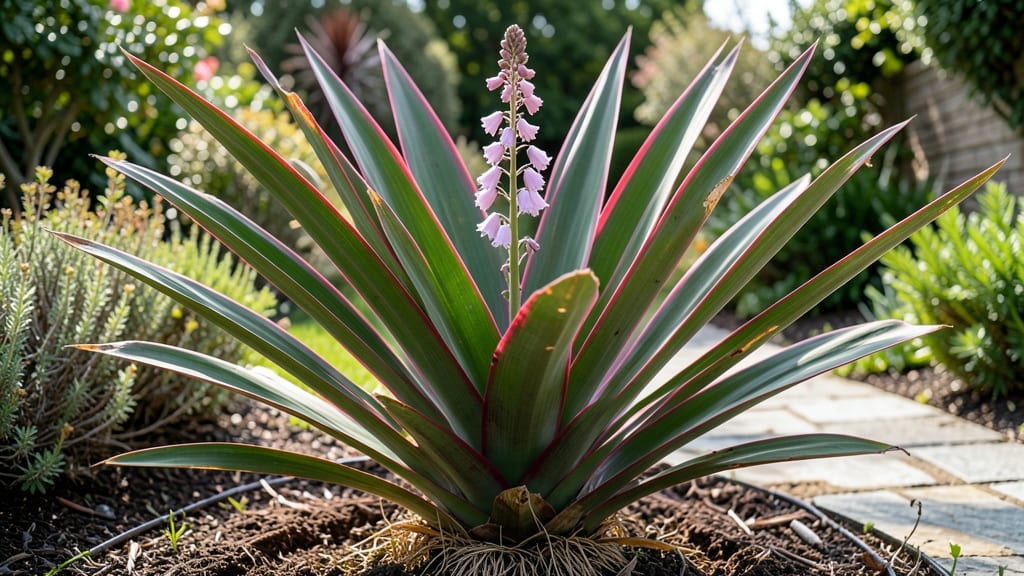
Bloom New Zealand (Ligustrum sinense 'Bloom') grows best in partial shade with well-draining soil, needing regular watering while adapting to dry spells once rooted. Light pruning after blooming helps maintain its shape, and a springtime fertilizer boost promotes vibrant flowers. This resilient shrub excels in USDA zones 7-10, offering minimal upkeep and striking foliage.
This fragrant shrub stands out for its glossy, dark green leaves and clusters of small white flowers that bloom in late spring through summer. 🌿 Its adaptability makes it perfect for urban gardens or mixed borders where full sun might stress other plants.
The key to keeping it thriving lies in mimicking its natural habitat—moist but not soggy soil and protection from harsh afternoon rays. I’ve found that even in hotter zones, providing afternoon shade prevents leaf burn while keeping those signature blooms abundant.
When planting, space them 4-5 feet apart to allow airflow, which reduces fungal risks. A 2-3 inch layer of mulch helps retain moisture and regulate soil temperature, cutting down on watering needs once established.
The real secret to its low-maintenance reputation? It rarely suffers from pests or diseases, making it a gardener’s favorite for trouble-free beauty.
💡 In This Article
- Ideal Growing Conditions for Bloom New Zealand
- Step-by-Step Planting and Care Guide for Bloom New Zealand
Ideal growing conditions for Bloom New Zealand
Bloom New Zealand thrives because it's adapted to the humid subtropical climate of its native regions, where it experiences 60-70% relative humidity and gentle rainfall patterns.
The plant's glossy leaves have a waxy cuticle that helps reduce water loss, but they still need consistent moisture—especially during root establishment in the first 6-12 months.
In drier climates, you'll notice the leaves curl slightly to conserve moisture, while in overly wet conditions, the roots can suffocate, leading to yellowing foliage.
The soil pH preference of 6.1-7.5 (slightly acidic to neutral) mirrors its natural habitat, where organic matter from leaf litter creates fertile conditions. To replicate this, mix 20% compost into your planting hole—this improves drainage while retaining moisture.
The plant's shallow root system means it benefits from a 2-3 inch mulch layer of pine bark or shredded leaves, which mimics the forest floor environment where it originally grew. 🌱 This mulch also helps regulate soil temperature, preventing the roots from overheating in summer or freezing in winter.
Sunlight requirements are the most critical factor for this variety. While it tolerates morning sun exposure (up to 4-6 hours of direct sunlight), the afternoon sun's intensity (especially in zones 8-10) can cause leaf scorch—visible as brown, crispy edges.
The plant's natural growth pattern in its native habitat includes partial shade from taller trees, which is why I recommend placing it where it gets dappled sunlight or filtered light through sheer curtains.
In containers, this means positioning on patios where it receives morning light but afternoon shade from nearby structures.
Humidity plays a surprising role in its flowering performance. The fragrant blooms develop best when humidity stays above 50%, which is why you might see fewer flowers in arid climates.
A simple solution is to mist the foliage lightly in the morning or place the plant near a water feature. The blooms themselves are sensitive to temperature fluctuations—ideal flowering occurs when daytime temps stay between 70-85°F, while nights below 55°F can stunt bloom production.
This explains why gardeners in coastal areas often get more abundant flowering than those in inland desert regions.
Seasonal adaptations are fascinating to observe. In spring, the new growth emerges with a slight reddish tint before maturing to its signature dark green. During summer, the plant enters its peak growth phase, where it can grow 12-18 inches per year under optimal conditions.
The glossy foliage serves as an indicator—when leaves lose their shine, it's often a sign of either underwatering or too much direct sun.
In fall, the growth slows, and the plant prepares for dormancy, making it crucial to reduce watering by 30% in late autumn to prevent root rot during winter.
One unique adaptation is its tolerance for urban environments. Unlike many shrubs that struggle with air pollution, Bloom New Zealand's waxy leaves help filter out particulate matter, making it ideal for city gardens.
The fragrant flowers also attract pollinators like bees and butterflies, creating a mini ecosystem that thrives with minimal intervention. This resilience is why it's often recommended for green walls or vertical gardens—it handles the reflected heat from buildings better than many other perennials.