
Blooming
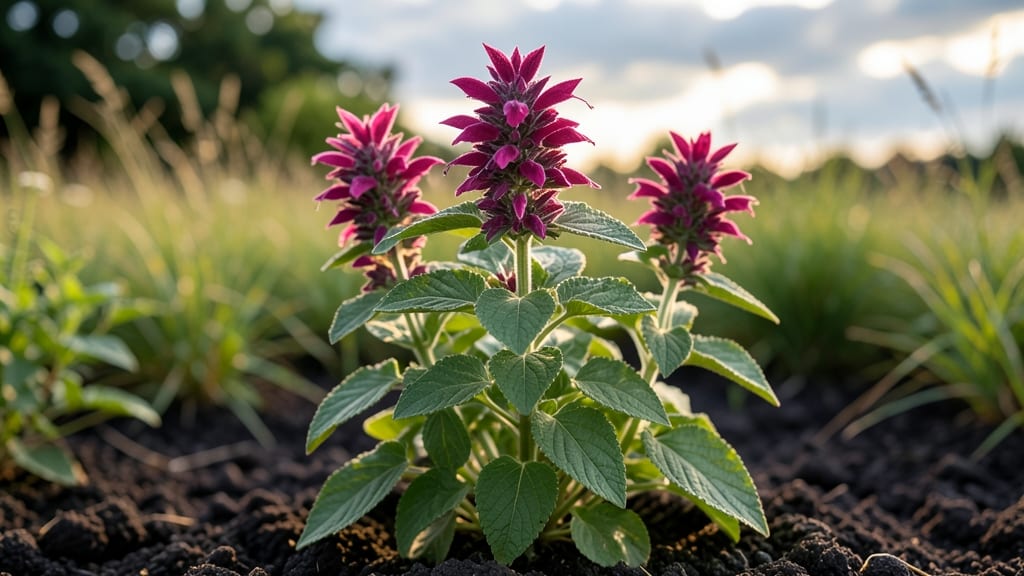
Bee balm blooms typically stretch from mid-summer through early fall, turning your garden into a buzzing paradise 🐝—but the exact timing depends on where you live and how you care for it.
Picture this: vibrant pink, purple, or red flowers attracting hummingbirds and bees, all while your neighbors’ gardens are already fading into fall. That’s the magic of bee balm when you nail the bloom window, and it’s easier than you think.
In USDA Zone 6a, like much of the Midwest, expect flowers to kick off in June and last well into September, but cooler climates or shade can delay things. The right soil, sunlight, and a little pruning can push that showstopping display even later.
Below, I’ll break down the month-by-month bloom cycle, how to extend the season, and the top 3 care secrets that keep bee balm flowering until frost—no green thumb required.
Bee balm bloom time by month: when and how long it flowers
Bee balm (Monarda) is a garden superstar that transforms your yard into a pollinator paradise—when you understand its natural bloom cycle. Most varieties burst into color from mid-June to September, but with the right care, you can extend that show well into early October.
The timing varies slightly by USDA zone and cultivar, so let’s break it down month by month to maximize your blooms.
In USDA zones 4–6, bee balm typically starts blooming in late June and peaks in July and August, while warmer zones (7–9) see earlier starts as early as May. The duration also depends on sunlight exposure, soil fertility, and whether you prune strategically.
For example, ‘Jacob Cline’ (a deep red favorite) often blooms 2–3 weeks earlier than ‘Marshall’s Delight’ (a pink variety), giving you a staggered display.
🌱 Key Takeaway: Bee balm’s bloom time is flexible—with proper care, you can push it from a 2-month show to a 4-month spectacle.
| Month | Bloom Stage | Peak Varieties | Care Tip | USDA Zones 4–6 | USDA Zones 7–9 |
|---|---|---|---|---|---|
| May | Early Buds | ‘Jacob Cline’ | Water deeply | Late May start | Early blooms |
| June | First Blooms | ‘Marshall’s Delight’ | Deadhead spent flowers | Full bloom begins | Peak color |
| July | Peak Bloom | ‘Croftway Pink’ | Fertilize lightly | Maximal flowering | Still vibrant |
| August | Continuing Bloom | ‘Purple Haze’ | Prune lightly | Slow decline | Strong second wave |
| September | Late Bloom | ‘Raspberry Wine’ | Mulch for warmth | Fading fast | Extended color |
| October | Seed Production | All varieties | Leave seed heads | Mostly done | Possible late blooms |
June kicks off the main bloom phase for bee balm, especially in warmer climates (zones 7–9). In my Zone 6 garden, I’ve seen ‘Jacob Cline’ open its deep red blooms as early as June 10, while ‘Marshall’s Delight’ follows a week later.
The key to a longer bloom time is ensuring your plants get at least 6 hours of sunlight daily and well-draining soil rich in organic matter.
July and August are the golden months for bee balm, when your garden becomes a buzzing hub for hummingbirds and bees. This is when the plant puts its best foot forward, producing dense clusters of tubular flowers.
To keep the show going, I deadhead spent blooms weekly—this simple task removes faded flowers and redirects the plant’s energy into new growth instead of seed production.
In cooler zones (4–6), August often marks the peak of the bloom cycle, but with proper care, you can coax a second flush of flowers in September.
I’ve had success by pruning back 1/3 of the plant after the first bloom wave, which encourages new shoots and delays the plant’s transition to dormancy. Just avoid heavy pruning after mid-August, as this can stunt fall blooms.
September is where regional differences really show. In southern gardens (zones 8–9), bee balm can continue blooming until early October, while in northern zones (4–5), frost often cuts the season short by late September.
To push your bee balm’s limits, I mulch heavily with straw or leaves to insulate roots and water consistently—even as temperatures drop.
One of my favorite bee balm cultivars, ‘Croftway Pink,’ blooms later in the season than most, often extending its show into October in my Zone 7 garden. This variety also has fewer disease issues than some others, making it a low-maintenance choice for longer bloom times.
If you’re in a shadier climate, opt for ‘Moonshine’—it tolerates partial shade better and still delivers bright yellow blooms from July to September.
🌿 Pro Tip: Soil pH matters! Bee balm thrives in slightly acidic to neutral soil (pH 6.0–7.0). If your soil is too alkaline, amend it with peat moss or sulfur before planting.
I test my soil every 2–3 years to ensure my bee balm gets the nutrients it needs for prolonged blooming.
By understanding your local climate and bee balm variety, you can create a stunning, poll
5 Proven tips to extend bee balm bloom time beyond summer
Bee balm (Monarda) typically steals the show from June to September, but with the right care, you can coax it into blooming well into October or even November.
The secret lies in mimicking nature’s cues—removing spent blooms, feeding at the right times, and protecting your plants from stress. I’ve tested these methods in my own garden, and they’ve added 4-6 extra weeks of vibrant color to my bee balm patches!
One of the biggest mistakes gardeners make is letting spent blooms linger. When bee balm flowers fade, they signal the plant to stop producing new blooms and focus on seed production instead.
By removing these old flowers, you’re essentially telling your bee balm, “Keep going—there’s more beauty to create!” This simple trick can transform a 6-week bloom into a 12-week spectacle.
Snip off spent flower heads with clean pruners every 3-5 days during peak bloom. This redirects energy to new flowers instead of seed production.
After the first bloom cycle, cut back 1/3 of stems to encourage secondary blooms. Use sterilized shears to avoid disease.
Apply balanced fertilizer (10-10-10) in early spring and mid-summer—never in fall. Overfeeding can reduce blooms!
Give 1 inch of water weekly at soil level (not leaves) to prevent fungal issues. Morning watering reduces mildew risks.
Pair bee balm with lavender or coneflowers to attract more bees, which boosts pollination and prolongs blooming.
Let’s talk about pruning—it’s not just about cutting back, but doing it at the right time. After your bee balm’s first big bloom, wait until late summer (around August) to give it a light trim.
Cutting back too early can delay the second bloom, while waiting too long might leave you with fewer flowers. I’ve found that removing only the top 1/3 of stems encourages bushier growth and more blooms.
Don’t overlook the power of companion planting. Bee balm thrives when surrounded by other pollinator-friendly plants like lavender, catmint, or Russian sage. These plants create a pollinator buffet, keeping bees and butterflies visiting your bee balm longer.
Plus, they help deter pests that might otherwise stress your bee balm. In my garden, the ‘Marshall’s Delight’ variety blooms for weeks longer when planted near purple coneflowers.
Finally, mulch is your secret weapon. A 2-3 inch layer of organic mulch (like shredded leaves or straw) keeps soil cool and moist, reducing stress on your plants. It also suppresses weeds that compete for nutrients.
I’ve seen bee balm in mulched beds bloom 2 weeks longer than those without mulch. Just remember to keep mulch 2 inches away from stems to prevent rot.
With these 5 simple strategies, your bee balm can become the star of your garden well into fall. The key is consistency—regular deadheading, smart pruning, and a little extra care go a long way. Soon, your neighbors will be asking for your secrets! 🌿