
How To
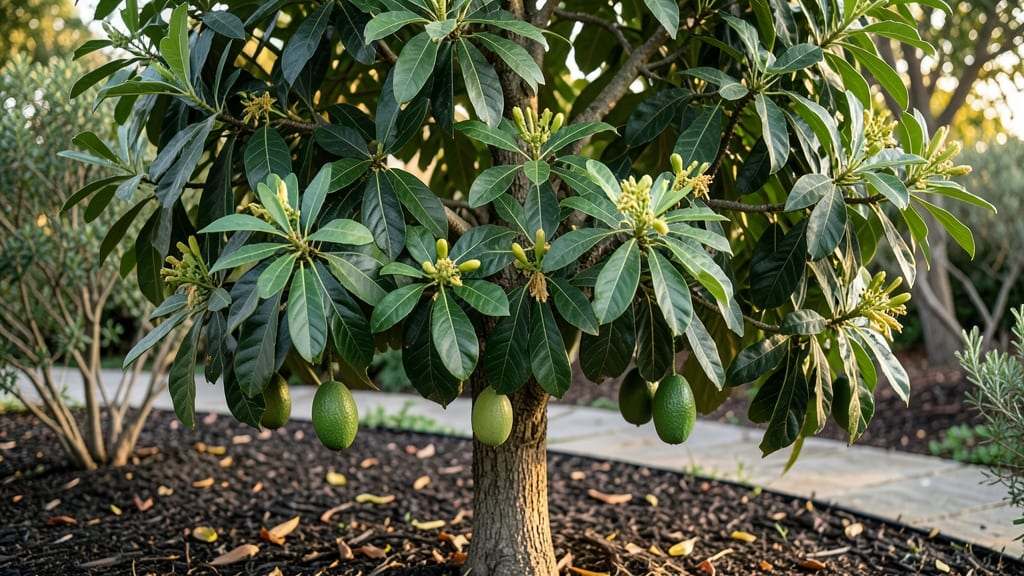
To encourage avocado bloom to fruit, you'll need to balance moisture, temperature, and light carefully: maintain steady watering without soggy soil, expose the tree to 50–60°F cooler temperatures to simulate winter dormancy, and provide bright but indirect sunlight. Strategic pruning and potassium-focused fertilization (while avoiding nitrogen-heavy mixes) will also trigger better flowering.
Avocado trees are finicky about fruiting because they rely on specific environmental cues to shift from vegetative growth to reproductive mode. 🌱 The temperature drop mimics natural winter signals, while bright light (6+ hours daily) ensures energy for flower production.
What many growers miss is that overwatering or nitrogen-heavy fertilizers can delay blooming—think of it as pushing a tree to grow leaves instead of flowers. I’ve seen Type A trees (which flower in spring) respond best to early spring pruning, while Type B trees (fall bloomers) need summer adjustments.
Once flowers appear, hand-pollination with a small brush can boost fruit set, especially in indoor or greenhouse settings. The key is patience: some trees take 2–3 years to mature enough for reliable fruiting, but consistency in care pays off.
If buds drop prematurely, it’s often a sign of stress—whether from inconsistent watering, poor airflow, or sudden temperature swings.
💡 In This Article
- Science Behind Avocado Flowering and Fruit Development
- Step-by-Step Avocado Care for Fruit Production
Science behind avocado flowering and fruit development
Avocado trees rely on a precise hormonal dance to transition from leaf growth to flowering. The process begins with ethylene gas, a plant hormone that signals stress—whether from drought, cooler temperatures (50–60°F), or shorter daylight.
This stress triggers the production of gibberellins, another hormone that promotes flower bud formation. Think of it like a biological switch: when conditions mimic winter's chill, the tree "realizes" it's time to reproduce rather than grow foliage. 🌱
The dual-flowering cycle adds complexity: Type A trees bloom in spring (March–May) and produce fruit in fall, while Type B trees bloom in fall (September–November) for spring harvests. This genetic quirk means you can't just plant one tree and expect fruit—you'll need both types for cross-pollination.
Even then, only about 20–30% of flowers will set fruit naturally, as avocados are notoriously inefficient pollinators. The remaining buds often drop due to poor resource allocation or environmental mismatches.
Light exposure is equally critical. Avocados need 6+ hours of bright, indirect light daily to build the energy reserves (starches) required for flowering. Direct midday sun can scorch leaves, while insufficient light leads to weak, non-flowering growth.
I’ve seen trees in low-light conditions produce no flowers at all—their energy goes entirely into stretching toward light rather than reproductive development. The balance is delicate: too much shade delays blooming, but harsh sun can stress the tree into dropping buds prematurely.
Temperature swings also play a role beyond just the cold trigger. Avocados originate from Mexico and Central America, where they experience day-night temperature variations of 10–15°F. This daily fluctuation helps regulate flowering hormones.
In controlled environments (like greenhouses), maintaining consistent warmth can disrupt this natural rhythm, leading to poor fruit set. Even a 5°F drop at night can improve flowering rates by mimicking the tree’s evolutionary conditions. 🌡️
Genetics further complicate the process. Some cultivars (like Hass) are more prolific fruiters than others (like Fuerte), and grafted trees may take 2–3 years to mature enough for reliable blooming. The tree’s age matters too: young trees prioritize root and trunk growth, diverting energy away from flowers.
Only when the root system reaches a certain mass—often 3–5 years old—will the tree allocate resources to reproductive growth. This is why patience is non-negotiable when growing avocados for fruit.
Finally, the interplay between water and hormones can’t be overlooked. Overwatering dilutes nutrient concentrations in the soil, while underwatering triggers stress hormones that can promote flowering—but at the risk of bud drop.
The sweet spot is consistently moist (not soggy) soil, which allows the tree to maintain steady hormone production without extreme fluctuations. Too much water = leafy growth; too little = stressed, but possibly flowering growth.
The challenge is finding that middle ground where the tree feels secure enough to invest in fruit. 💧