
Blooming
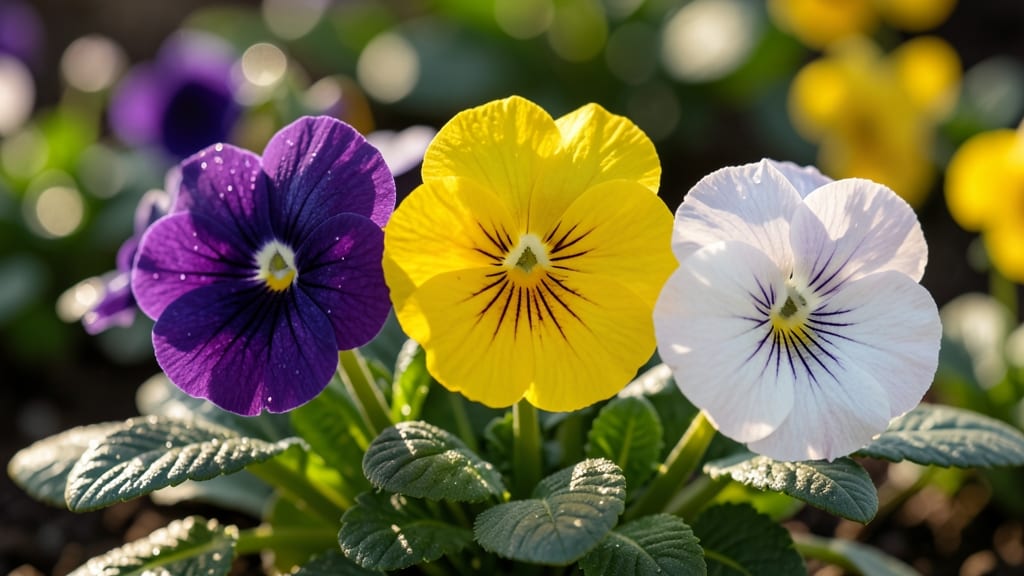
Spring’s arrival brings vibrant life to gardens, and these seven flowers lead the charge with bold colors and easy-growing habits. Whether you're a beginner or seasoned gardener, these blooms ensure your outdoor space bursts into color early—without requiring expert care.
Tulips for Early Season Elegance
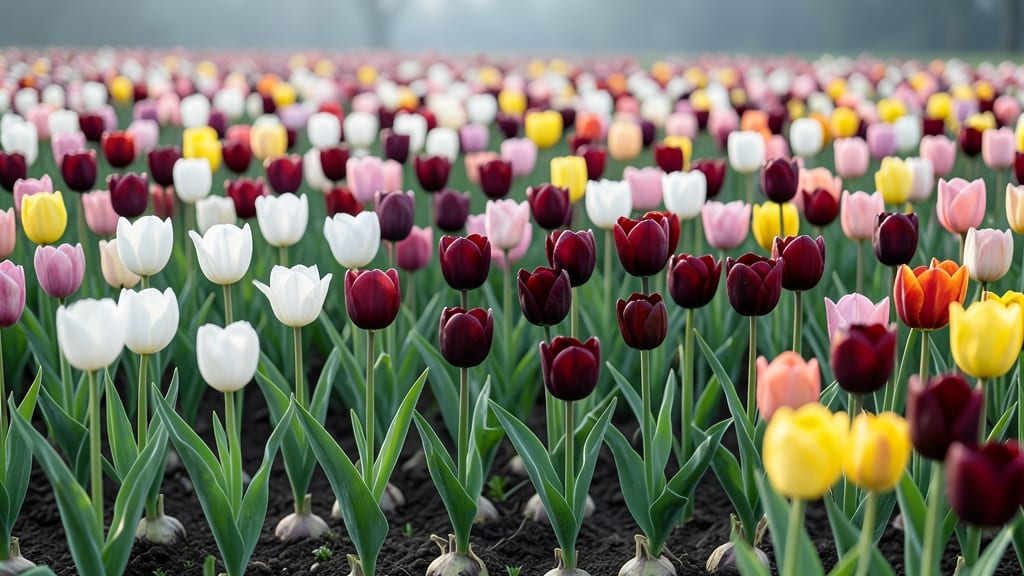
Looking for the first splash of color that signals spring’s arrival? Tulips are the undisputed stars of early-season gardens, offering hundreds of varieties in shades from snowy white to deep burgundy—all while thriving in cool temperatures that deter pests and diseases.
Plant bulbs in fall for a spring surprise, and enjoy their versatility: use them in cutting gardens (stems last 5-7 days in vases), tuck them into containers for patios, or force them indoors for a February bloom. Most varieties need full sun to partial shade and well-draining soil, making them perfect for urban gardens or rocky slopes.
Whether you're a beginner or a seasoned gardener, tulips deliver instant elegance with minimal effort—just add water and sunlight. 🌷
Daffodils for Pollinator-Friendly Gardens
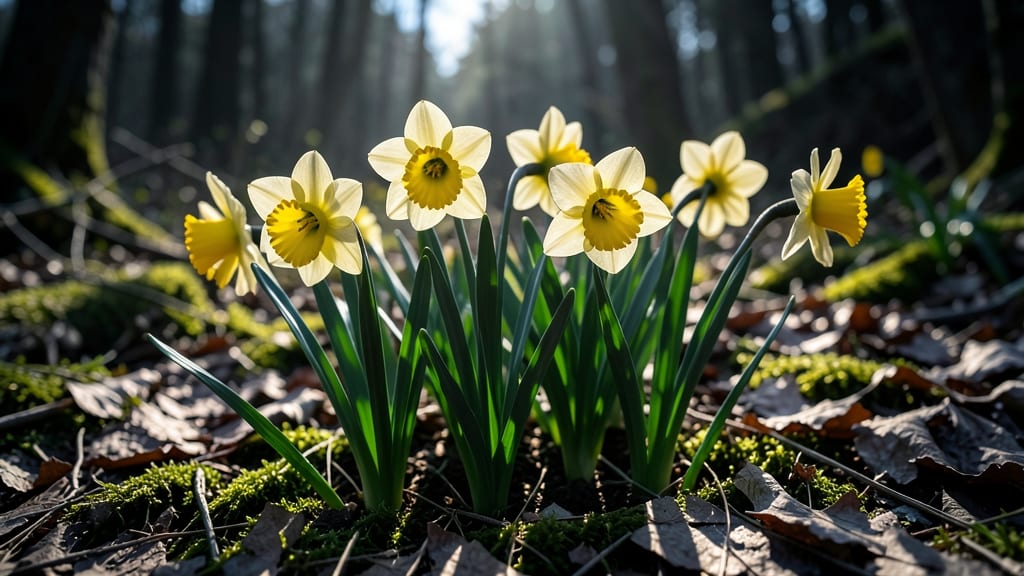
If your garden feels a little dull in those shady corners where most flowers refuse to thrive, daffodils are your secret weapon. These cheerful perennials burst into bloom as early as February in many climates, often before bees have access to other food sources—making them a lifeline for pollinators.
Plant them in partial to full shade, and they’ll reward you with bright yellow and white blooms that multiply year after year with almost no effort. Their toxic foliage deters deer and rabbits, while their naturalizing habit means fewer bulbs to plant each season. Just ensure well-draining soil and minimal fertilizer—they prefer neglect over fuss.
Perfect for woodland gardens, under trees, or as a low-maintenance border, daffodils bring both beauty and purpose to overlooked spaces. 🌱
Pansies for Cool-Weather Color
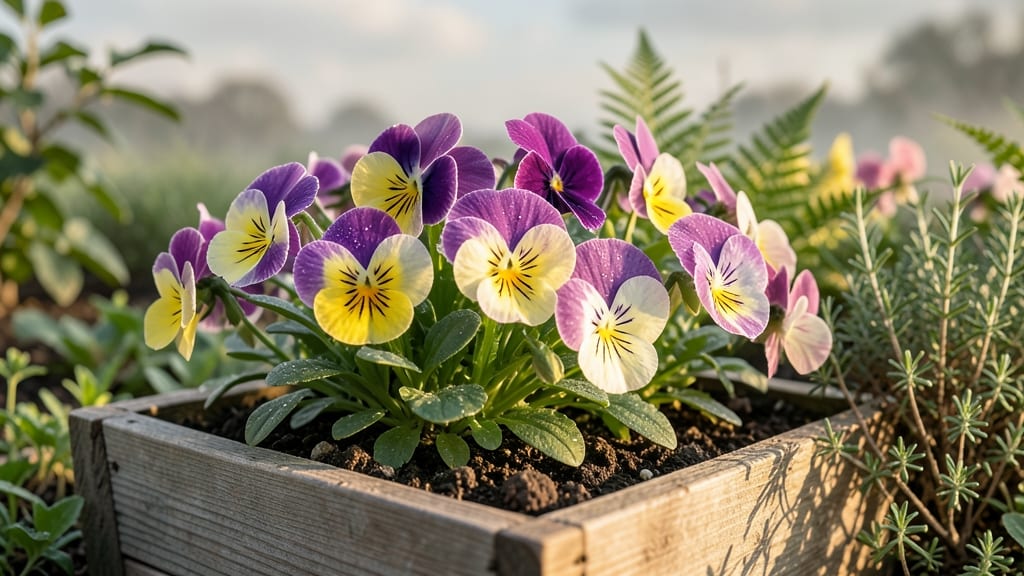
Skip the wait for summer blooms—pansies deliver vibrant color as soon as soil temperatures rise above 40°F, making them the ultimate frost-resistant spring stars. Their unique facial patterns (yes, each bloom has its own "face") add whimsical charm to borders, containers, or even edible salads.
Sow seeds directly after the last frost or plant young plants in well-draining soil with 4-6 hours of sun. Deadhead spent blooms to encourage continuous flowering, and pinch back leggy stems for bushier growth. Young leaves and petals are edible—add them raw to salads for a peppery kick!
Urban gardeners and small-space growers love pansies for their compact size and ability to thrive in containers or window boxes. Their cheerful faces brighten early-season gardens while providing a dual benefit: beauty and a harvestable bonus. 🌻
Hyacinths for Fragrant Garden Beds
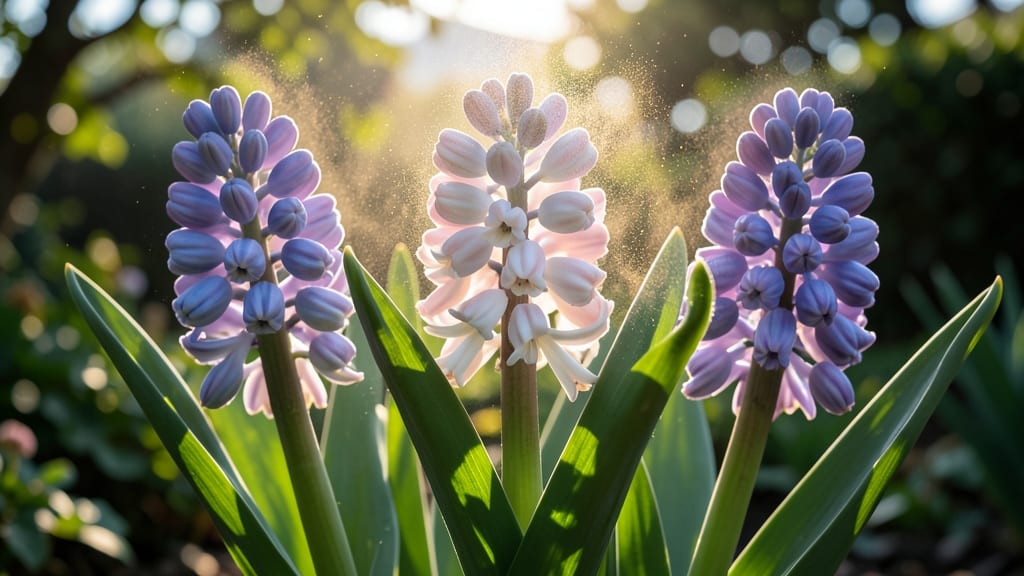
Tired of spring flowers that look pretty but don’t engage your senses? Hyacinths deliver a sensory experience with their intoxicating fragrance—often compared to grape soda or almonds—that fills the air when you brush past their dense clusters. Unlike many spring blooms, they reward you with both visual drama and aromatic delight.
These bulbous perennials thrive in full sun to partial shade and prefer well-draining soil, making them ideal for urban gardens or small spaces. Plant bulbs in fall (6-8 weeks before frost) for early spring blooms that naturalize over time, creating fragrant drifts. Choose from classic purple, pink, or white varieties, or experiment with rare colors like orange or yellow.
Perfect for gardeners who want to create sensory pathways or seating areas, hyacinths are also low-maintenance once established. Their compact size makes them ideal for containers or borders where you want to maximize fragrance in small spaces. 🌷
Bleeding Heart for Shady Spots
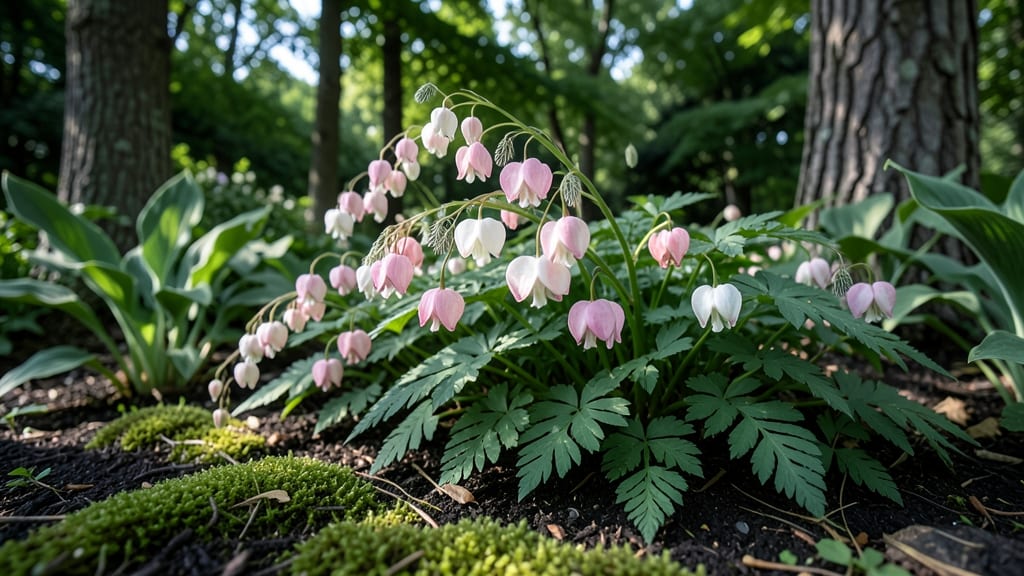
If your garden has partial shade where most flowers struggle, bleeding heart (Dicentra spectabilis) is your secret weapon. This graceful perennial produces cascading clusters of heart-shaped pink or white blooms that thrive where sun-loving plants wilt, making it perfect for woodland edges or under mature trees.
Plant bleeding heart tubers in early spring or fall in moist, well-draining soil enriched with compost. Its fern-like foliage provides year-round interest, while the flowers bloom prolifically from late spring to early summer. To encourage reblooming, deadhead spent flowers and divide clumps every 3-4 years to prevent overcrowding.
This shade-loving beauty is ideal for gardeners with wooded properties or urban yards with limited sunlight. Its elegant, arching form adds vertical drama without needing staking, making it a standout in any shady corner. 🌷
Sweet Peas for Climbing Beauty
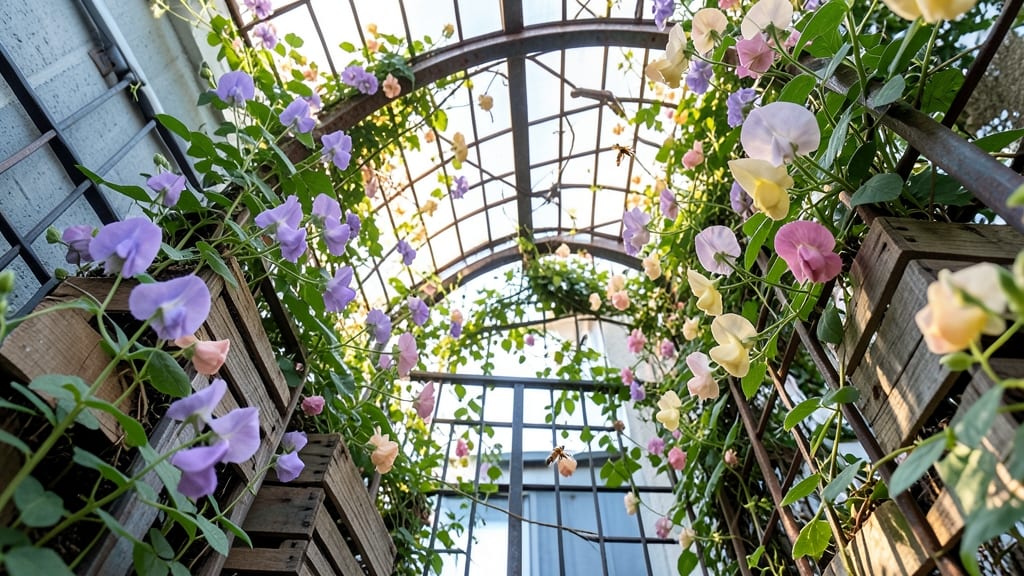
Transform even the tiniest balcony or patio into a fragrant vertical garden with sweet peas—these charming climbers produce edible, intoxicating blooms that attract bees and butterflies while fixing nitrogen in the soil. Unlike other spring flowers, they thrive on trellises, arches, or even old fences, making them ideal for small spaces where horizontal planting is limited.
Sow seeds directly in cool spring soil (4-6 weeks before last frost) for the earliest blooms, or start indoors for a head start. Provide support from day one—their tendrils need something to cling to—and water consistently to encourage lush vines. The flowers, ranging from lavender to deep purple, not only smell heavenly but can also be used fresh in salads or dried for potpourri.
Perfect for urban gardeners or anyone craving romance in their outdoor space, sweet peas offer both beauty and function. Their self-sustaining nature means fewer fertilizers and more pollinators—ideal for eco-conscious gardeners. 🌷
Crocus for Early Pollinator Support
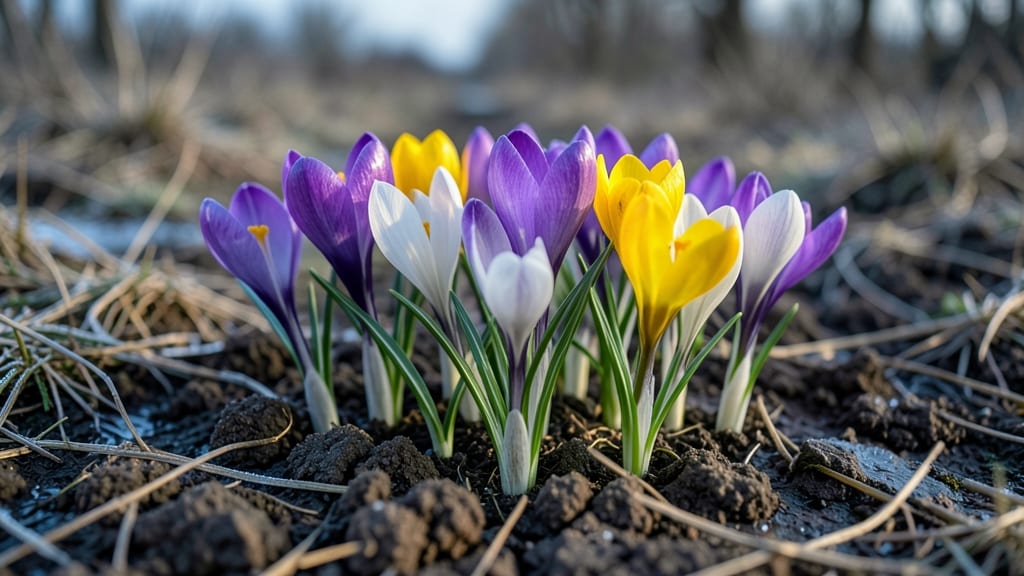
When winter's grip finally loosens and the ground thaws, crocus emerges as nature's unsung hero—pushing through frost to feed hungry bees before most flowers even think about blooming. Their vibrant purple, yellow, and white blooms create a stunning contrast against the still-brown winter landscape, proving that spring's magic starts earlier than you might expect.
These hardy perennials thrive in rocky or poor soil, making them perfect for challenging spots where other plants struggle. Plant corm bulbs in fall (4-6 weeks before frost) in full sun to part shade, and water sparingly once established—they're surprisingly drought-tolerant. The early nectar they provide helps revive local bee populations after months of hibernation, making them an eco-friendly choice for any spring garden.
Crocus is especially valuable for gardeners with limited space or rocky terrain, as it naturalizes beautifully over time. Their cheerful blooms also make stunning cut flowers for early spring arrangements. 🌟