
How To
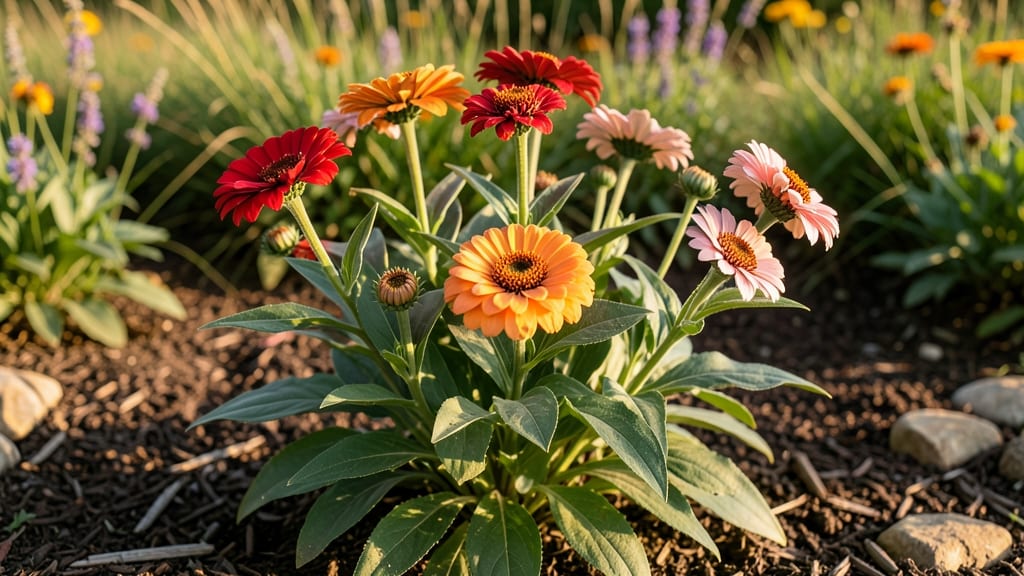
Blooming zinnias from seed takes between 45 and 75 days, depending on the variety and growing conditions, but the wait can feel like forever when you’re staring at those tiny sprouts.
Picture this: you’ve sown your 🌼 zinnia seeds in early spring, and the days stretch on with no sign of color. The truth?
Some varieties—like the fast-growing 'Thumbelina'—burst into blooms in as little as 6 weeks, while others, like the towering 'Benary’s Giant,' take closer to 10 weeks to reward you with their vibrant faces.
Climate plays a huge role here. In warmer zones like 6a, where I garden, zinnias often bloom faster thanks to longer daylight hours and consistent warmth. But cooler springs can stretch that timeline, leaving you wondering if you’ll ever see those cheerful flowers.
The good news? A few simple tweaks—like soil warmth, sunlight placement, and deadheading—can shave weeks off your wait.
In this guide, I’ll break down the exact bloom timelines by variety, how to speed up the process, and the key care steps that turn those seeds into a summer-long display. Let’s get those zinnias blooming on schedule!

Zinnia bloom time from seed by variety: fastest to slowest flowering types
If you've ever waited impatiently for those zinnia seeds to transform into vibrant blooms, you're not alone. The timeline from seed to flower varies dramatically between varieties—some burst into color in under 60 days, while others take nearly twice as long.
These differences come down to genetics, with dwarf varieties often blooming faster than their towering cousins. Understanding these timelines helps you plan your garden for maximum impact, whether you're aiming for early summer cut flowers or late-season color.
Zinnia bloom times also depend on growing conditions, but the variety you choose sets the foundation. Fast-flowering types like 'Thumbelina' can reward you with blooms in as little as 45 days, while heirloom varieties like 'Benary's Giant' may take 70+ days.
The key is matching your timeline expectations to your gardening goals—whether you need quick color for summer weddings or extended blooms for fall arrangements.
Genetics dictate speed, but don't underestimate the power of proper care. Even the fastest varieties will struggle in cool soils or shady spots. For example, 'Profusion' zinnias—a popular hybrid—typically bloom in 55-60 days, but they'll reach that milestone faster with consistent moisture and full sun. Let's explore how these varieties compare so you can pick the perfect performers for your garden.
The 'Thumbelina' series takes the crown for fastest bloomers, delivering bright blooms in just 45-50 days. Their compact size makes them ideal for containers, window boxes, or edging garden beds where space is limited.
These dwarf zinnias also handle transplanting better than taller varieties, making them perfect for gardeners who start seeds indoors. If you're planning a summer wedding or need quick color for a patio display, these are your best bet.
For those who prefer taller zinnias with dramatic impact, the 'Crystal' series offers a balance between bloom speed and height. With 60-65 days to first flower and stems reaching 18-24 inches, they're excellent for cut flower arrangements. Their slightly longer bloom time means you'll enjoy <
How climate zones and seasons affect zinnia bloom speed (with adjustment tips)
Your USDA climate zone and planting season dramatically impact how quickly zinnias transform from seeds to show-stopping blooms. In zones 9–11, you might see 45–60-day blooms from seed, while gardeners in zones 3–5 often wait 70–90 days due to cooler soil temperatures.
The difference isn't just about days—it's about whether your zinnias bloom before the first frost or get cut short by autumn's chill.
Seasonal timing matters just as much. Spring-planted zinnias in zone 7 typically bloom 60–75 days after sowing, but those same seeds planted in late summer for fall color may take 45–55 days thanks to longer daylight hours.
Understanding these patterns lets you strategize for the fastest possible blooms in your specific conditions.
Cooler climates slow germination because zinnia seeds need soil temperatures above 60°F (15°C) to sprout efficiently. In zones 3–5, I recommend using black plastic mulch or row covers to warm the soil by 5–10°F, cutting germination time by nearly half.
For example, 'Thumbelina' zinnias in zone 4 might take 18 days to germinate without warming, but only 10 days with these adjustments.
Heat also plays a surprising role. In zones 9–11, zinnias can bolt (flower too quickly) if daytime temperatures exceed 90°F (32°C). To prevent this, I plant shade cloth (30%) during peak summer and increase watering to 1 inch per week.
This trick extends the blooming season by 3–4 weeks in my zone 10 garden, keeping zinnias vibrant until November.
Seasonal planting strategies make a huge difference. For spring blooms, sow seeds 4–6 weeks before your last frost date—this ensures flowers appear just as summer begins. For fall color, plant in late July or early August in zones 6–8 to enjoy blooms through October.
In zone 5, I've had success with fall-sown zinnias that bloom in 50–60 days instead of the usual 80+ days for spring plantings.
Microclimates can shave 10–20 days off bloom times. A south-facing wall or raised bed warms up faster than open ground, accelerating growth. Even a 10°F warmer microclimate can reduce bloom time by 7–10 days.
Try planting near dark-colored containers or paved surfaces that radiate heat—this simple hack has cut my 'Profusion' zinnia bloom time from 70 to 55 days in zone 6.