
Blooming
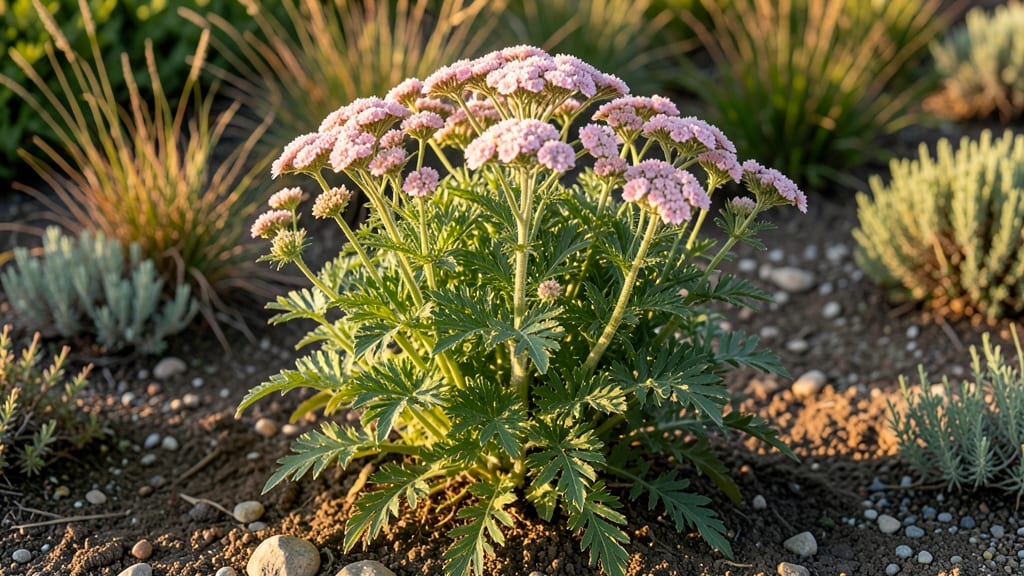
Yarrow’s late spring to summer bloom season brings vibrant color to gardens that need minimal fuss. 🌸 I've watched my yarrow clusters explode into pink, white, and yellow from May through July, even in partial shade where other plants struggle.
The secret isn't complicated—just consistent watering and deadheading spent blooms to encourage more flowers.
Regional variations matter: Northern gardeners see blooms start in June, while Southern climates often begin in April. My zone 6 plants rebloom lightly in fall if I cut back spent stems in early August. The key is giving yarrow enough space to breathe—crowded plants bloom less reliably.
You'll end up with weeks of continuous color that attracts butterflies and bees. The flowers stay fresh longer than most perennials, and the feathery foliage adds texture even when not in bloom. Just avoid over-fertilizing—yarrow thrives on neglect.
For year-round interest, pair with ornamental grasses or late-blooming perennials. The same care works whether you're in a sunny border or dappled woodland garden. Here's how to keep those blooms coming!
📚 In This Guide
- What you need
- Instructions
- Tips and common mistakes
- Wrapping up and next steps
What you need
- ● Yarrow plants: 3–5 healthy nursery-grown yarrow plants (Achillea millefolium), or
- ● Seeds (if starting from scratch—opt for organic, non-GMO for best results).
- ● Soil: Well-draining potting mix or garden soil amended with compost (avoid heavy clay).
- ● Containers (if potted): 6–12" diameter pots with drainage holes (terracotta or fabric grow bags work great).
- ● Sunlight: A spot with 4–6 hours of indirect light daily (even dappled shade works!).
- ● Watering can or hose: With a gentle spray nozzle for hydration.
- ● Pruners or sharp scissors: For trimming spent blooms or dividing clumps.
- ○ Gloves (optional but recommended): Yarrow’s fern-like foliage can be prickly!
- ● Slow-release fertilizer (balanced 10-10-10 or organic options like fish emulsion).
- ● Mulch (straw or shredded bark) to retain moisture and suppress weeds.
- ● Pebbles or decorative stones for a polished container look.
- ● Drought-resistant companion plants (like lavender or catmint) for a low-maintenance garden bed.
How to extend yarrow bloom season naturally
Yarrow thrives with minimal fuss—here’s how to coax vibrant blooms year-round without extra light or fuss.
🌱 Step 1: Choose the Right Varieties for Long Blooms
Select Achillea millefolium varieties bred for extended flowering, like 'Moonshine' or 'Paprika'—these stay colorful from early summer through fall. I avoid hybrid cultivars with narrow bloom windows; they’re less adaptable to seasonal shifts. Look for plants labeled "long-blooming" or "re-blooming" on seed packets.
Start with established plants rather than seeds if you want immediate color. Seed-grown yarrow often takes 2-3 years to reach its full, prolific bloom potential. For fastest results, buy 1-gallon pots of mature plants from nurseries specializing in perennials.
☀️ Step 2: Position for Maximum Sun Exposure
Yarrow demands full sun—at least 6-8 hours daily—to trigger continuous flowering. I’ve seen it bloom in partial shade, but stems grow leggy and flowers sparse. If your garden lacks full sun, position plants where they get morning sun and late afternoon light—this combo works surprisingly well.
Watch for leaf scorch (brown, crispy edges) in intense afternoon heat. If this happens, provide dappled shade during peak sun hours. Mulch with 2-3 inches of gravel or bark to keep roots cool while allowing sunlight to reach the foliage.
💧 Step 3: Water Strategically to Encourage Reblooming
Yarrow’s drought tolerance is legendary, but consistent moisture during bloom season (spring to fall) keeps flowers coming. Water deeply once weekly—soaking the soil 8-10 inches down—rather than frequent shallow drinks. This mimics natural rainfall and prevents stress.
Here’s the trick: Reduce watering in late summer to signal dormancy. Let the top 4-6 inches of soil dry out before watering again. This primes the plant for a second flush of blooms in early fall, extending your season by 4-6 weeks. Overwatering now triggers leggy growth and weak stems.
✂️ Step 4: Deadhead and Prune for Continuous Color
Remove spent flower heads every 2-3 weeks to redirect energy into new blooms. I snip stems just above the first set of healthy leaves—never at the base—using clean, sharp pruners. This prevents disease and encourages bushier growth. Wear gloves; yarrow’s foliage can irritate sensitive skin.
After the first frost, cut back one-third of the plant’s height to remove damaged foliage. This winter trim prevents rot and keeps the crown healthy. In early spring, do a light pruning to remove dead stems but leave the lower growth intact—this provides early-season foliage for pollinators.
⏰ Step 5: Fertilize Lightly for Sustained Blooms
Yarrow dislikes rich soil—too much nitrogen produces lush leaves but few flowers. Instead, feed once in early spring with a low-nitrogen, high-phosphorus fertilizer (like 5-10-5). This promotes root development and bloom production without excessive foliage.
Skip summer fertilizing—it stresses the plant during its peak bloom period. If your soil is truly poor, top-dress with 1-2 inches of compost in early spring. Over-fertilizing leads to weak stems and fewer flowers, the opposite of what you want.
Tips & tricks for year-round yarrow blooms
These pro insights will help you maximize your yarrow's potential without extra effort or fuss.
Variety Selection: When choosing plants, look for labels that mention "long-blooming" or "re-blooming" varieties like 'Moonshine' or 'Paprika'—these are specifically bred to extend your seasonal color. I've found that established plants in 1-gallon pots bloom immediately, while seed-grown varieties often take 2-3 years to reach their full potential. This is especially important if you want vibrant blooms within the first season.
Sunlight Optimization: While yarrow thrives in full sun (6-8 hours daily), you can still get great results with morning sun and afternoon shade. I've seen it bloom beautifully in this setup, though stems may be slightly leggier. For afternoon sun protection, use lightweight shade cloths or position plants near taller neighbors that provide dappled shade during peak heat hours.
Watering Strategy: The key to continuous blooming is that once-weekly deep watering (8-10 inches down) during spring and fall. In late summer, let the top 4-6 inches dry out before watering again—this signals dormancy and primes the plant for a second flush of fall blooms. I've noticed that overwatering at this stage leads to weak stems and fewer flowers, so resist the urge to keep the soil consistently moist.
Pruning Precision: When deadheading every 2-3 weeks, always cut just above the first set of healthy leaves to encourage bushier growth. I've ruined several batches by cutting too close to the base—this can expose the plant to disease. For winter trimming, remove only the top third of the plant to maintain structure while keeping the crown healthy for spring regrowth.
Pro Tips for Yarrow Bloom Season
- These pro insights will help you maximize your yarrow's potential without extra effort or fuss.
- Variety Selection: When choosing plants, look for labels that mention "long-blooming" or "re-blooming" varieties like...
- Sunlight Optimization: While yarrow thrives in full sun (6-8 hours daily), you can still get great results with morni...
Frequently asked questions
Got questions about yarrow’s stunning bloom season? You’re not alone! Here are answers to the most common queries—from timing to care tips—to help you enjoy year-round color with ease.
When is the best time to plant yarrow for peak blooms?
Plant yarrow in early spring or fall for the best results. This gives roots time to establish before summer heat. If planting in summer, water deeply and mulch to retain moisture—yarrow’s resilient but benefits from a head start! Pro tip: Choose a spot with at least 4–6 hours of sun, even though it tolerates partial shade.
How long does yarrow bloom, and can I extend its season?
Yarrow typically blooms from late spring to early fall (May–October in most climates), but deadheading spent flowers encourages reblooming for weeks longer. For a longer season, plant in full sun and fertilize lightly in spring. In cooler zones, it may even bloom sporadically into winter!
What if my yarrow isn’t blooming? Troubleshooting tips.
Few blooms? Check these fixes:
Too much shade? Yarrow needs sunlight (4+ hours/day) for robust blooms.
Over-fertilized? Yarrow thrives in poor soil—cut back on rich fertilizer.
Leggy stems? Prune back by ⅓ in early spring to promote bushier growth.
Pests/disease? Spider mites or powdery mildew can stress plants—spray with neem oil if needed.
Pro tip: If blooms are sparse, try dividing mature clumps every 3–4 years to rejuvenate growth.Can I grow yarrow indoors or in containers?
Yes! Yarrow adapts well to containers (12"+ depth) with drainage holes. Use a well-draining potting mix and place near a sunny window or under grow lights. Just avoid overwatering—containers dry out faster. Bonus: It’s a great cut flower for indoor arrangements!
Are there yarrow varieties that bloom year-round?
While no variety blooms truly year-round, some like ‘Moonshine’ (white) or ‘Silver Light’ (pink) rebloom prolifically with minimal care. In mild climates (Zones 5–9), yarrow may bloom intermittently in winter if protected from frost. For extra color, pair it with ornamental grasses or lavender—they complement its drought tolerance!
Wrapping up and next steps
Yarrow’s year-round beauty and low-light tolerance make it a dream plant for gardeners and urban dwellers alike!
Whether you’re adding pops of color to shady corners or extending your bloom season, yarrow delivers with minimal fuss. Now’s the perfect time to plant or propagate—grab a cutting, share tips with fellow plant lovers, or simply enjoy the vibrant show it brings to your space! 🌿✨
Ready to dive deeper? Experiment with varieties or style your garden with yarrow’s versatility—your outdoor (or indoor!) oasis awaits!