
Blooming
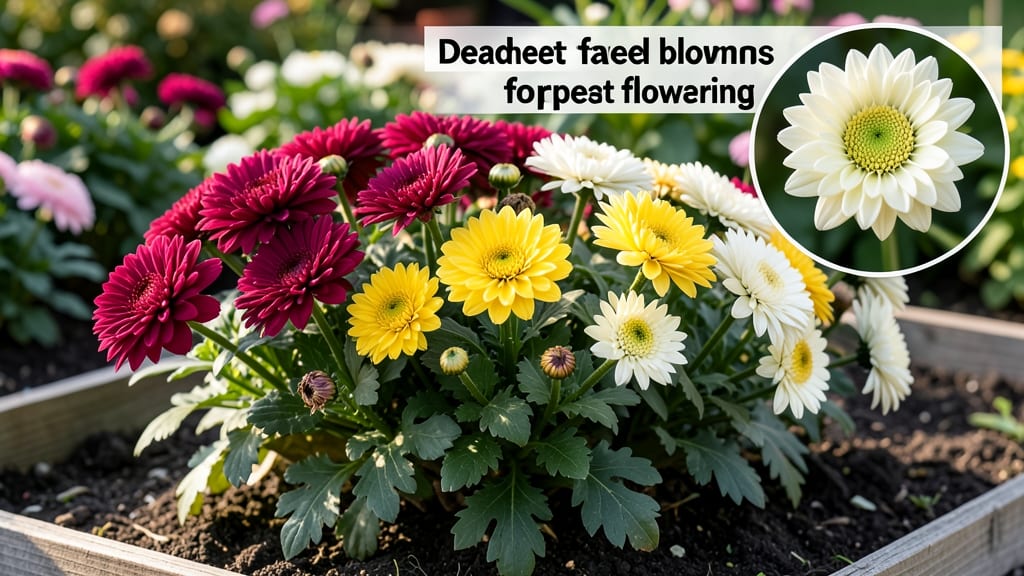
Do mum plants bloom more than once? Most chrysanthemums bloom only once per season unless they're reblooming varieties, which need careful pruning, regular feeding, and seasonal adjustments to produce multiple flower flushes.
Mum plants (chrysanthemums) have two distinct blooming patterns that depend entirely on their genetics. 🌸 Reblooming varieties like 'Dynasity' or 'Mathematica' are bred to respond to seasonal changes—specifically shorter daylight hours in fall—that trigger new buds.
The key difference lies in their growth habits: while once-blooming types focus energy on a single spectacular display, rebloomers distribute it across multiple smaller cycles. This means your garden can enjoy colorful blooms from late summer through frost if you provide the right care.
What makes this work isn't just about timing—it's about creating the perfect growing conditions. For instance, reblooming mums need consistent moisture without soggy soil and a balanced fertilizer (look for 10-10-10 ratios) every 4-6 weeks during active growth.
I've found that cutting back spent blooms to the first healthy set of leaves after each flush encourages new growth, while too much pruning can delay reblooming. The secret lies in mimicking their natural environment where they'd experience gradual day-length changes.
💡 In This Article
- Reblooming Mum Varieties and Their Unique Flowering Cycles
- Seasonal Care Tips to Extend Mum Blooming Periods
Reblooming mum varieties and their unique flowering cycles
Reblooming chrysanthemum varieties like 'Dynasity' and 'Mathematica' are genetically engineered to produce multiple flower flushes through a process called photoperiodism. These plants respond to decreasing daylight hours (typically under 12-14 hours of light per day) by triggering hormonal changes that stimulate bud formation.
Unlike once-blooming types, rebloomers have a modified growth cycle where they can produce 3-5 flower flushes if conditions are ideal. 🌿 The key difference lies in their leaf structure—rebloomers often have smaller, darker leaves that photosynthesize more efficiently, allowing them to store energy for successive blooms.
Temperature plays a crucial role in their flowering cycles. Reblooming mums need consistent daytime temperatures between 65-75°F and cooler nights (50-55°F) to properly set buds. When nights drop below 50°F, these varieties enter a semi-dormant state that actually helps them prepare for the next bloom cycle.
This is why gardeners in Zone 5-8 often see their reblooming mums produce their best displays in early fall when these temperature shifts occur naturally. The contrast with once-blooming mums is stark—the latter focus all their energy on a single spectacular display in late summer, often fading completely by September.
What most gardeners don't realize is that reblooming mums have a built-in "reset" mechanism. After each flower flush, they require a 2-3 week recovery period where you should remove spent blooms down to the first healthy leaf set.
This pruning shock actually stimulates new growth by redirecting energy from seed production to vegetative development. The science behind this involves the plant's auxin hormones, which regulate cell elongation—when you prune, auxin concentrations shift, prompting lateral buds to awaken.
This is why consistent pruning after each bloom is non-negotiable for extending the flowering season.
Consider these key factors when selecting reblooming varieties:
- Daylight sensitivity: Some varieties like 'Bright Lights' need 10-12 hours of darkness to trigger blooming, while others like 'Mathematica' are more flexible
- Color intensity: Rebloomers often have 20-30% less vibrant colors in subsequent flushes due to energy redistribution
- Hardiness zones: Most rebloomers thrive in Zones 5-9, with some tropical varieties extending to Zone 10
The most successful reblooming occurs when you combine proper variety selection with environmental control. For example, in areas with long summer daylight, gardeners often use blackout cloths to reduce light exposure to 10-12 hours during critical bloom periods.
This mimics the natural shortening days that trigger flowering. The result? Mums that continue blooming through October and sometimes into November when properly cared for. 🌼
One advanced technique involves pinching back young plants when they reach 6-8 inches tall to encourage bushier growth with more flowering stems. This works because removing the terminal bud reduces apical dominance, allowing lateral buds to develop.
The trade-off? Pinched plants may take 2-3 weeks longer to reach their first bloom but will produce 30-50% more flowers overall. This is particularly valuable for gardeners who want to extend their mum displays for holiday arrangements.