
Blooming
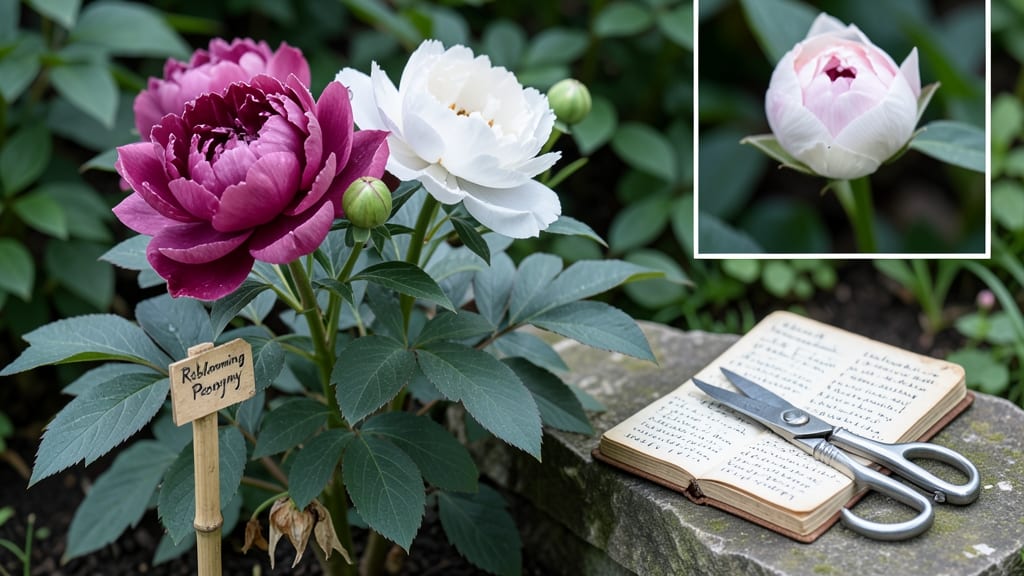
Will peonies bloom twice? Most peonies flower once per season, but some herbaceous varieties can produce a second bloom with proper deadheading, optimal sunlight exposure, and consistent soil care. Tree peonies almost always bloom once, while intersectionals have the highest reblooming potential when given ideal growing conditions.
Peonies are famous for their dramatic spring blooms, but whether they'll repeat depends entirely on the type you're growing.
Herbaceous peonies—those that die back to the ground each winter—hold the best chance for a second flush of flowers if you remove spent blooms promptly and keep them well-fed. 🌸 The key is redirecting the plant's energy from seed production back into new growth, which requires precise timing and care.
Tree peonies, on the other hand, are more set in their ways, typically producing just one showstopping bloom per year regardless of your efforts.
What many gardeners overlook is how soil health plays a role. Peonies thrive in well-draining soil rich in organic matter, and a balanced fertilizer applied in early spring can give them the boost they need to attempt a second bloom.
I've found that intersectional peonies—hybrids between herbaceous and tree types—are the most forgiving when it comes to reblooming, often delivering a modest second display if deadheaded correctly and given enough sunlight. The trade-off? They usually produce smaller blooms the second time around.
💡 In This Article
- Peony Bloom Cycle: Why Most Varieties Flower Once
- Deadheading and Care Tips to Encourage Second Peony Blooms
Peony bloom cycle: why most varieties flower once
Peonies follow a strict biological rhythm where their energy is allocated between blooming and root development. After their spectacular spring display, herbaceous peonies redirect resources to strengthen their underground rhizomes for winter survival. This process, called dormancy, requires about 6-8 weeks of cooler temperatures to reset their growth cycle.
During this time, the plant prioritizes storing nutrients rather than producing new flowers, which is why most varieties bloom just once per season.
The root system plays a crucial role in this behavior. Herbaceous peonies develop thick, fleshy rhizomes that act like natural storage units, holding energy for future growth.
Tree peonies, which have woody stems, allocate energy differently—their blooms emerge from buds on last year's growth, leaving little energy for a second flush. Intersectional peonies, however, bridge this gap by combining traits from both types, making them slightly more adaptable to reblooming when conditions are ideal.
Light exposure also influences bloom frequency. Peonies need 6-8 hours of full sun daily to produce flowers, but too much intense afternoon sun can stress the plant, reducing its ability to rebloom.
The timing of sunlight matters too—morning sun helps dry dew quickly, preventing fungal issues that can weaken the plant. When peonies receive consistent sunlight without stress, they're more likely to attempt a second bloom, though the flowers may be smaller and less vibrant.
Temperature fluctuations further complicate reblooming. Herbaceous peonies often need a period of cooler weather (50-60°F) after their first bloom to trigger new flower buds. Without this, the plant may focus on foliage growth instead.
Tree peonies, however, are less flexible—their blooming is tied to their woody structure, which matures slowly and rarely produces a second flush. This is why intersectionals, with their hybrid vigor, often outperform both types in reblooming potential.
One fascinating detail is how peonies "know" when to bloom. Their internal clock, called vernalization, responds to cold exposure, signaling the plant to transition from dormancy to active growth. This process is why peonies planted in warm climates may struggle to rebloom—they miss the necessary cold cues.
In colder regions, where winters are more pronounced, peonies often perform better in terms of reblooming frequency.
What most gardeners don't realize is that even herbaceous peonies have a limited window for reblooming. If you miss the 4-6 week period after their first bloom, the plant's energy reserves will be too depleted to support a second display.
This is why timing your deadheading and fertilization is critical—it's a race against the plant's natural energy allocation system.