
Blooming
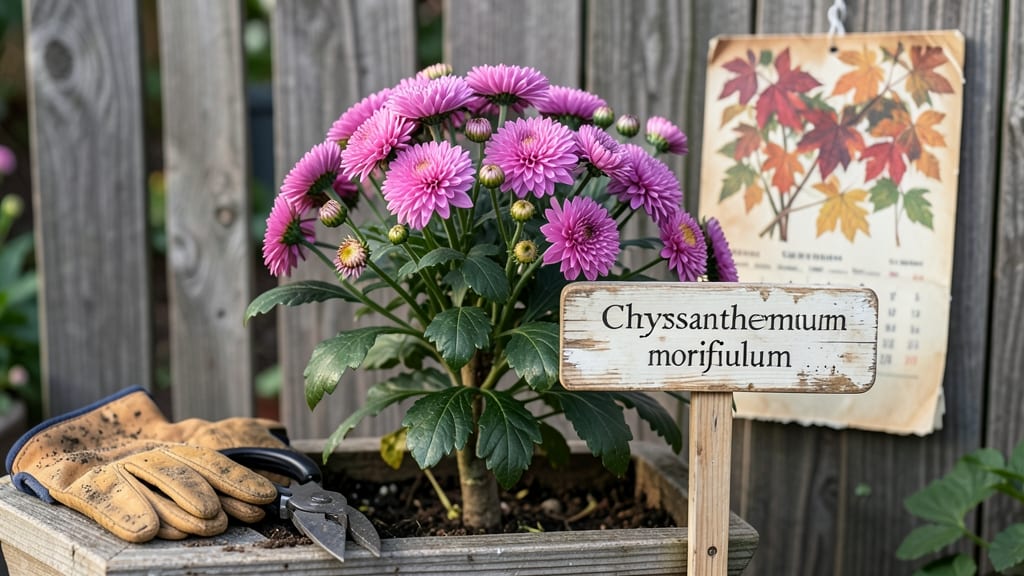
Mums (chrysanthemums) will bloom twice with the right conditions: consistent sunlight (6+ hours daily), well-draining soil, and regular fertilization. Reblooming varieties need deadheading after the first flowers fade and cold exposure in late summer to trigger a second flush of blooms.
Most gardeners assume mums bloom just once, but reblooming varieties are bred specifically to produce two cycles of flowers in a single season. 🌸 The key lies in daylight management—these plants need short days (less than 12 hours of light) to trigger flower buds, which typically happens in late summer.
I’ve seen firsthand how a single late-summer frost can actually jumpstart the second bloom, as the cold acts like a natural signal to produce more flowers. The catch?
You’ll need to prune strategically after the first bloom to encourage new growth, and avoid heavy mulching too early in fall, which can delay the cold exposure they need.
What separates successful reblooming from disappointment often comes down to soil health and timing. Well-draining soil prevents root stress, while a balanced fertilizer (high in phosphorus) supports flower production. I recommend a mid-summer feeding with a 10-10-10 blend to give your mums the energy they need for that second show.
And here’s a pro tip: if your mums are looking tired after the first bloom, a light trim just above a leaf node can stimulate fresh growth—just don’t wait until frost season to do it.
💡 In This Article
- How Light, Temperature, and Pruning Influence Mum Reblooming
- Step-by-Step Care Guide for Encouraging Two Bloom Cycles
How light, temperature, and pruning influence mum reblooming
Mums (chrysanthemums) rely on a precise balance of daylight and temperature to trigger their second bloom. These plants are photoperiod-sensitive, meaning they need short days (less than 12 hours of sunlight) to initiate flower buds.
In late summer, when daylight naturally shortens, this signals the plant to stop producing leaves and start forming blooms.
Reblooming varieties are specifically bred to respond to this cue twice in one season, unlike seasonal mums that bloom only once in fall. 🌿 The transition from long summer days to shorter autumn days is what kickstarts the second flowering cycle.
Temperature plays a critical role too, particularly through a process called vernalization. A brief exposure to cool temperatures (50-60°F) in late summer can actually stimulate flower production. This is why a light frost or chilly nights in early fall often boost reblooming.
However, too much heat or drought stress can delay or prevent the second flush. I’ve noticed that mums in USDA Zones 5-8 often perform best because they get that perfect balance of warm growing season followed by cooler autumn nights.
In warmer climates, you might need to simulate this cold exposure by moving potted mums to a cooler spot or even misting them with water to mimic dew.
Pruning is where many gardeners go wrong—cutting back too late or too aggressively. After the first bloom cycle, trim spent flowers (deadheading) but leave at least 6-8 inches of stem to maintain energy reserves.
Prune just above a leaf node to encourage new growth, but avoid heavy cuts after mid-August, as this can delay the second bloom.
Think of it like giving your mums a haircut: you want to shape them, not shave them. 🌸 The goal is to redirect the plant’s energy from seed production (which happens after flowering) back into new stem and flower growth.
Seasonal varieties and reblooming mums differ in their genetic makeup. Seasonal mums bloom once in fall, triggered by shorter days, and then focus on storing energy for winter.
Rebloomers, however, have been selectively bred to reset their biological clock after the first bloom, allowing them to respond again to the shortening daylight. This is why they often cost more—it’s like buying a premium hybrid tomato that produces fruit twice instead of once. The trade-off?
They require more attention to light, temperature, and pruning to deliver that second performance.
One common mistake is assuming that all mums rebloom. Only varieties labeled as "reblooming" (like 'Bonanza,' 'Jolene,' or 'Dazzler') are guaranteed to produce two cycles. Even then, they need perfect conditions.
For example, if your mums get less than 6 hours of sunlight daily, they’ll struggle to rebloom, no matter how much you prune. Similarly, over-fertilizing with nitrogen (the first number in NPK ratios) will encourage leafy growth at the expense of flowers.
Aim for a balanced 10-10-10 fertilizer or one with slightly more phosphorus (the middle number) to promote blooming.
Here’s a quick comparison to help you visualize the differences:
- Seasonal Mums: Bloom once in fall, triggered by natural daylight shortening. No second bloom.
- Reblooming Mums: Bloom twice—first in late summer, second in fall—with proper care. Require deadheading and pruning.
- Light Needs: Both need 6+ hours of sunlight daily, but rebloomers need consistent light to reset their cycle.
- Temperature Triggers: Rebloomers benefit from cool nights (50-60°F) in late summer to stimulate second growth.